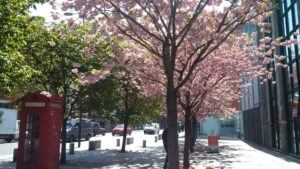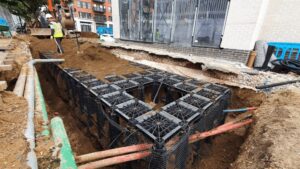
Back in June 2019, communities came together to ensure Clean Air Day was a huge success.
Over 600 events were organised by schools, universities, volunteer groups, businesses, families and friends; thousands of people stood up and spoke out to educate and build awareness on the damaging effects air pollution is having on our health.
With over 36,000 premature deaths a year in the UK, the government and World Health Organisation have clearly recognised that this is a serious issue, and that work must continue to tackle it, in view of change.
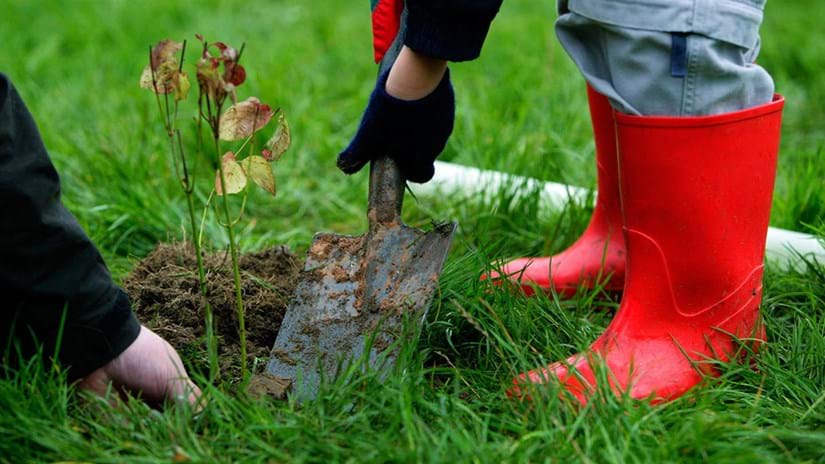
Led by Global Action Plan, today (8th October 2020) we celebrate Clean Air Day. Cabinet members, infrastructure groups including cycling organisations and EV manufacturers have joined forces with some well-regarded speakers to highlight campaigns, but with the current circumstances, many events have unfortunately been forced to go online. – including the Live Seminar sessions.
It’s not too late to get involved – the campaign website has a range of resources including social media graphics and letter templates. Whatever you do feel free to let us know (tag us) and we will happily help promote!
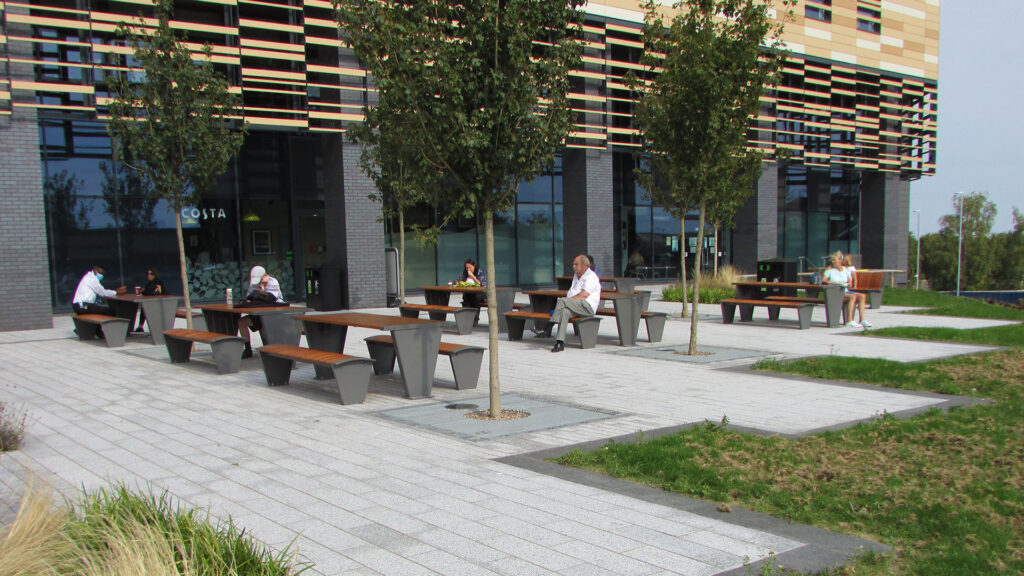
So, what about GreenBlue? Our work continues to help combat climate change and improve air pollution: our Product Development team are working hard to create innovative solutions in our urban tree pits. Trials are currently being undertaken and we should have more detail to announce very soon!
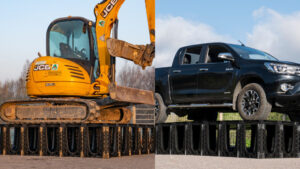
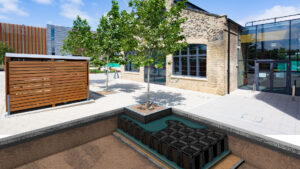
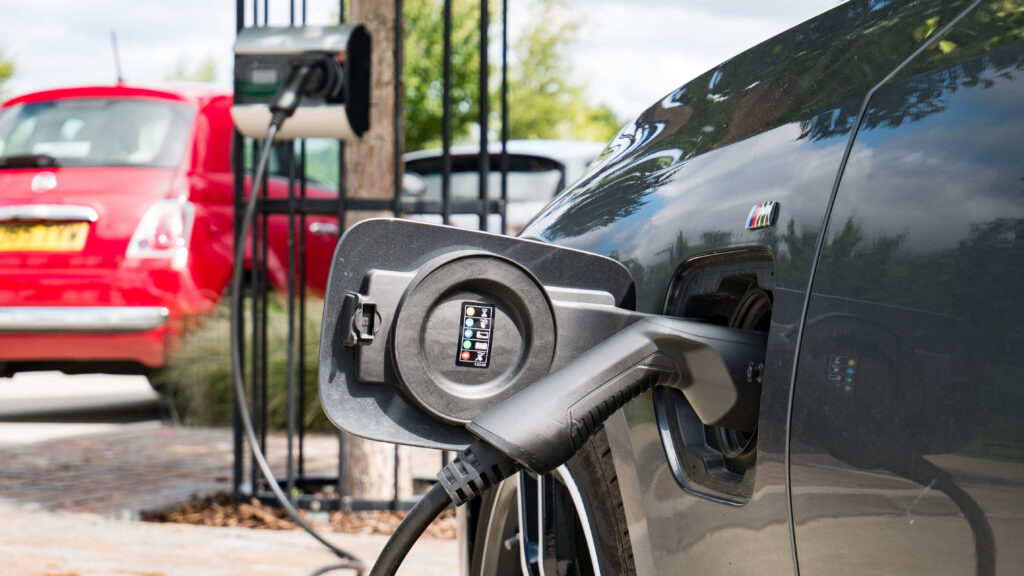
As a company, we have stipulated that moving forward vehicles used by employees are to be electric, have introduced ArborCharge – the perfect solution to combine EV charging when installing tree pits and SuDs features. This multipurpose tree pit system incorporates most of the features that are being called for in our urban and residential streets in one complementary package, saving time and money.
At the GreenBlue Urban headquarters we are lucky to have a display of trees; a wide array of ages and species, all with varying benefits. We know that as trees grow, they help restrict climate change by removing carbon dioxide from the air, storing carbon in the trees and soil, and releasing oxygen into the atmosphere. Our on-site manufacturing facility and internal processes are also working toward carbon neutrality to achieve a zero-carbon footprint.
“One well established tree can have the cooling effect of 10 room sized air conditioners”
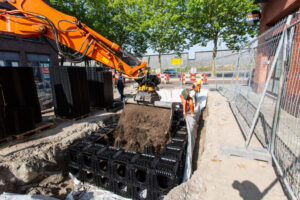
Working alongside EU Interreg 2 Seas – a project that promotes cross-border cooperation between coastal regions of 4 Member States defined as the “2 Seas” zone – GreenBlue Urban supported the Water Resilient Cities Project whereby pilot tree pit sites installed across cities in Europe to aid with Stormwater management. These sustainable urban drainage tree pit systems also assisted with healthy canopy cover trees that also cool the air with evapotranspiration and improve air quality.
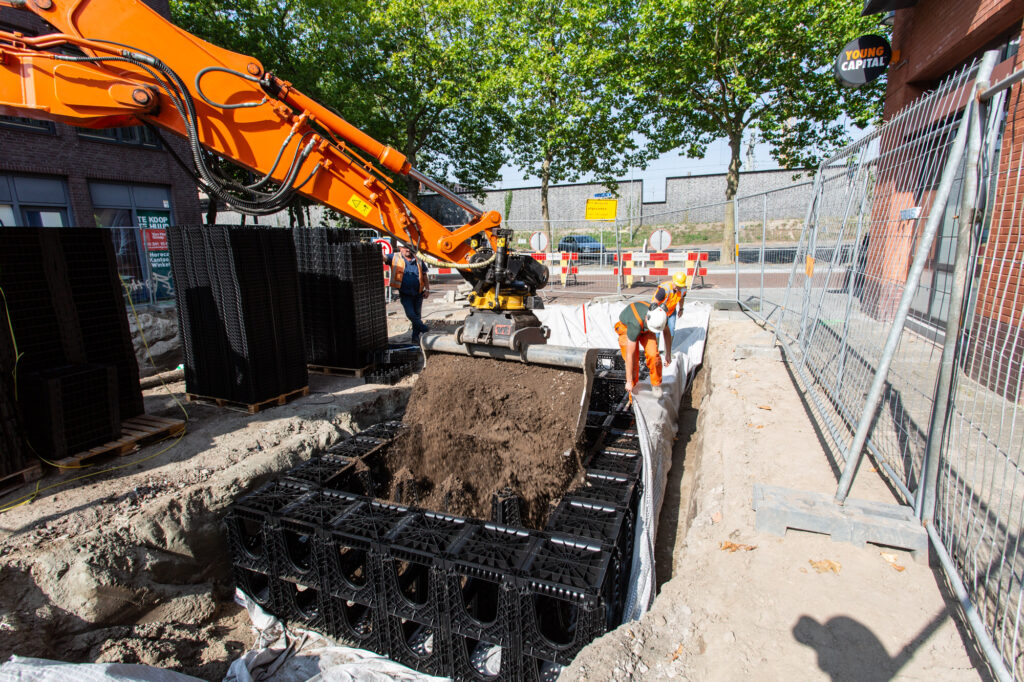
Currently, the Cool Towns project involves 13 partners with the goal to combat the negative effects caused by climate change within our towns and cities. Through the innovative use of green and blue infrastructure, we are again assisting with education and installation of tree pits with IoT testing that can be used to monitor and provide the proven facts that healthy well-planted trees can in fact combat climate change.
“For every 10% increase in a city tree canopy, ozone is reduced by between 3-7%”
We can all make small personal changes to reduce our carbon footprints, as can our companies – discover more on our work with Cool Towns and further steps you can make by booking on to our latest online CPD webinar dedicated to Combatting Climate Change; we can offer advice on tree species to reduce both heat stress and help with stormwater as well as giving design tips, such as the inclusion of green walls, green roofs and bioretention planters.
Now is the time to work with the GreenBlue Urban solutions to create a healthy, resilient and sustainable future!