The COP29 Declaration on Water for Climate Action, signed by 57 countries at the recent UN Climate Summit in Baku, highlights the essential role of water management in tackling climate change. As SuDS specialists, we’re encouraged by its strong alignment with the principles of Sustainable Drainage Systems.
Here’s how we feel the Declaration’s key themes and commitments support the implementation and growth of SuDS:
Climate resilience and adaptation
The Declaration emphasises the need for water management solutions that enhance climate resilience. SuDS fit this bill by reducing flood risk, improving water quality and promoting groundwater recharge, helping cities and other communities to avoid the damage and disruption caused by extreme weather events.
Nature-based solutions (NbS)
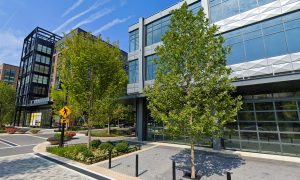
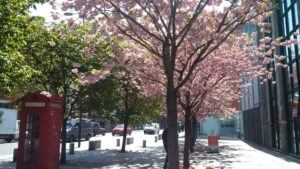
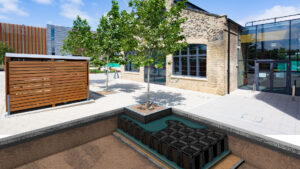
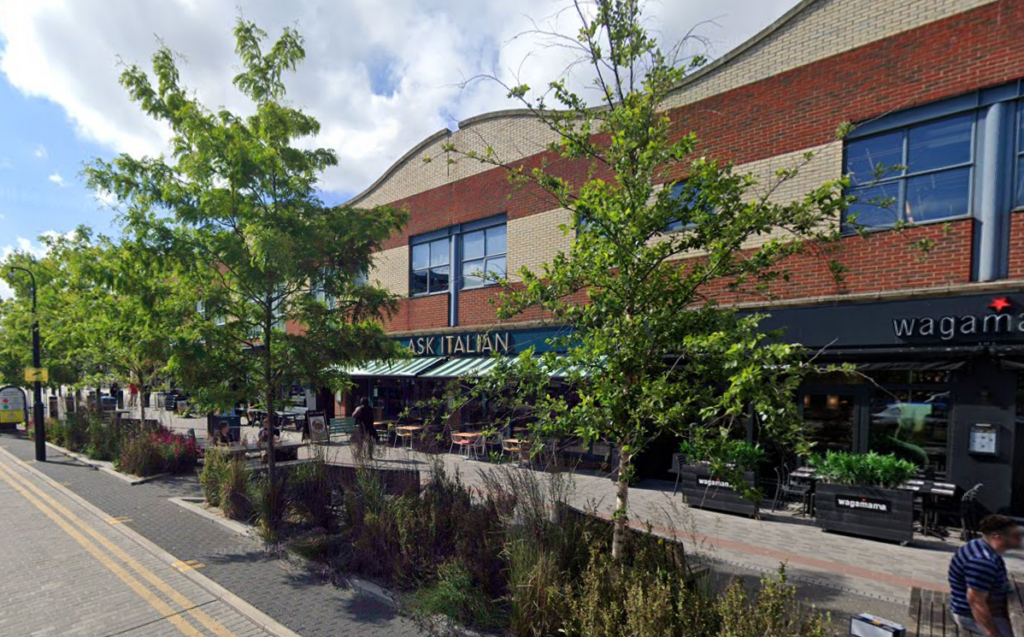
The COP29 Declaration advocates for the adoption of nature-based solutions to address water-related climate challenges. SuDS are a prime example of NbS, incorporating green infrastructure such as raingardens, permeable pavements, swales and tree pits to manage surface water in a way that mimics natural processes.
Water quality improvement
Improving water quality is a core element of the Declaration. Well-designed SuDS can help filter pollutants from urban runoff before they enter waterways such as lakes and rivers, supporting cleaner and safer water ecosystems.
Integrated water management
The declaration calls for integrated approaches to water management that address the entire water cycle. SuDS align with this principle by integrating surface water management into urban design and development, reducing pressure on traditional drainage systems, and promoting more sustainable, interconnected water management strategies.
Mitigating urban heat islands
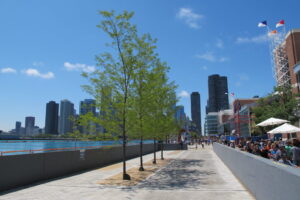
The Declaration recognises the importance of strategies that reduce urban heat. Green SuDS elements including trees, green roofs and raingardens contribute to cooling city environments by providing shade and facilitating evapotranspiration.
Biodiversity and ecosystem health
By promoting green infrastructure, SuDS support the Declaration’s goals around biodiversity and ecosystem health. Features such as ponds, wetlands, and vegetated areas within SuDS provide habitats for wildlife, enhancing urban biodiversity.
Policy and investment commitments
The Declaration encourages investment in sustainable water infrastructure. This could lead to increased funding and policy support for SuDS, enabling wider adoption and more innovative approaches to urban drainage.
To find out more about how we can help you with SuDS installations that future-proof infrastructure against climate-related risks, get in touch with our friendly team today by calling 01580 830 800 or click here to get in touch with a Project Consultant.