As Climate Change accelerates and industry standards advance, our event at Barcham Nursery on Thursday, July 4th, 2024, brought together professionals from various fields to explore the integration of Sustainable Drainage Systems (SuDS) and Biodiversity Net Gain (BNG) into future landscapes.
Attendees gained valuable insights from experts, shared best practices, and participated in collaborative discussions aimed at creating sustainable and resilient environments. This event provided a unique opportunity to understand the development strategies that support environmental industry innovation.
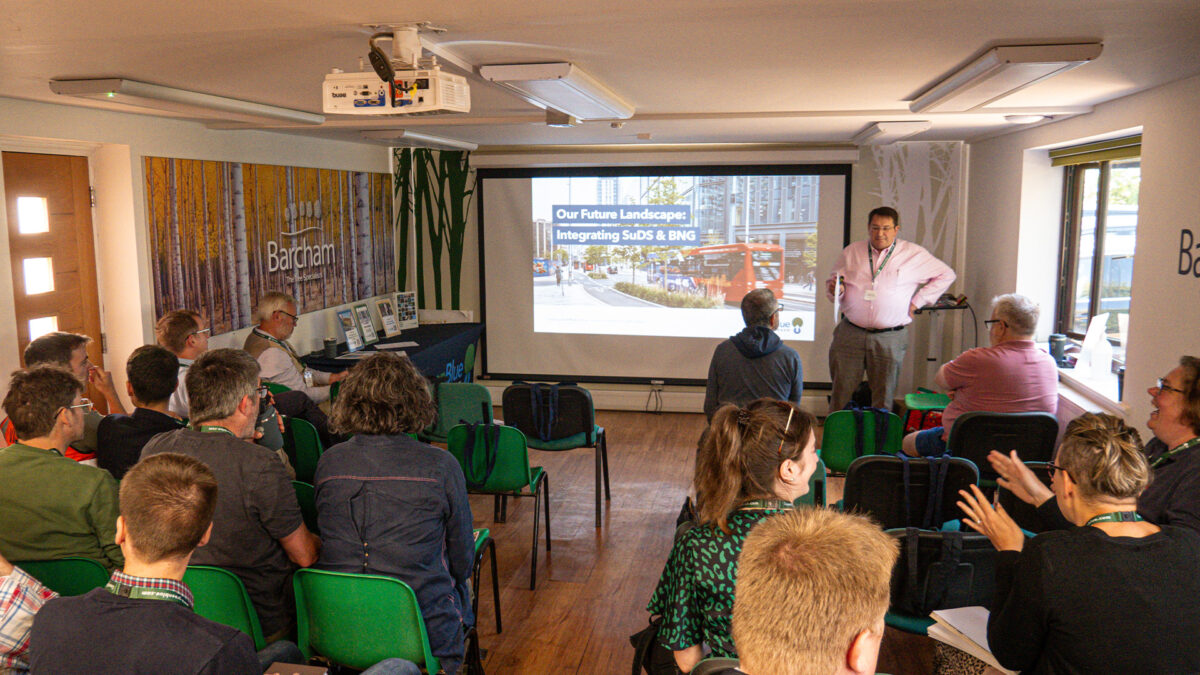
Howard Gray, Business Relationship Specialist, GreenBlue Urban
Under the beautiful weather, the event set the scene for an intimate and exclusive gathering. Howard Gray, Strategic Business Development, GreenBlue Urban, extended a formal welcome to all attendees, kicking off the day’s activities with a morning filled with enlightening presentations from high-level speakers:
- Benjamin Locksmith, Flood & Water Engineer, Suffolk Council – Shared project examples incorporating BNG and SuDS and discussed the history of SuDS implementations.
- Matt Moore, Strategic Flood & Partnership Manager, Anglian Water – elaborated on Anglian Water’s flood management strategies, discussing the Engage -Design- Formalise – Deliver process and key partnerships.
- Dafydd Coe, Director, HED UK, Spoke about large-scale projects such as the London 2012 Olympic Stadium and Thames Tideway, highlighting the importance of long-term green and blue infrastructure, working around constraints such as utilities and concrete.
- Pablo Souto Casare, Mott Macdonald‘s Global Practice Leader, presented key data and figures from the BNG world and their design framework.
- Alistair Bayford, Managing Director of Frosts Landscapes, captivated the audience with a photo-only presentation demonstrating the benefits and disadvantages of our future landscapes.
- Mark Syrett, Senior Flood & Climate Resilient Officer, Surrey County Council – discussed a project in Hove that has trialled different planting mediums, sharing results on the success of implementation and tree growth data.
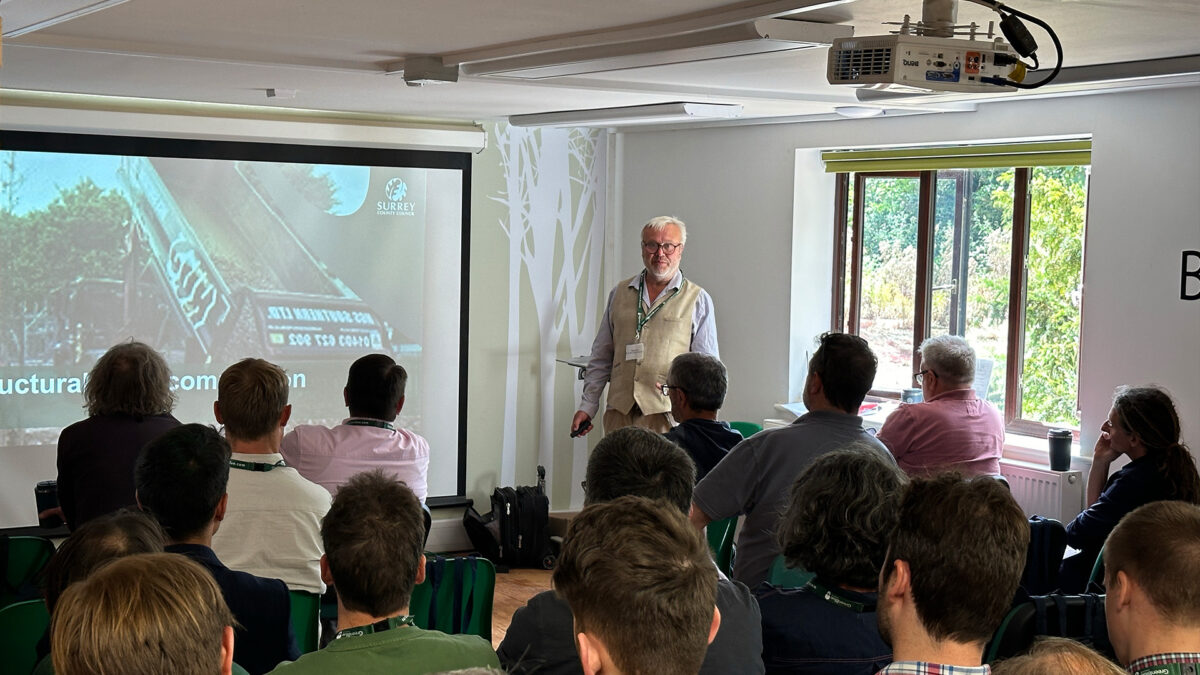
Mark Syrett, Senior Flood Risk & Climate Resilience, Surrey County Council
“A privilege to contribute to the Our Future Landscape: Integrating SuDS & BNG event hosted by GreenBlue Urban. A panel of speakers with a wealth of knowledge and experience covering everything from policy, guidance, and design to implementation and stewardship. I was delighted to share my experiences and learnings from delivering and maintaining green and blue infrastructure, drawing upon past projects.” Alistair Bayford, Frosts Landscapes
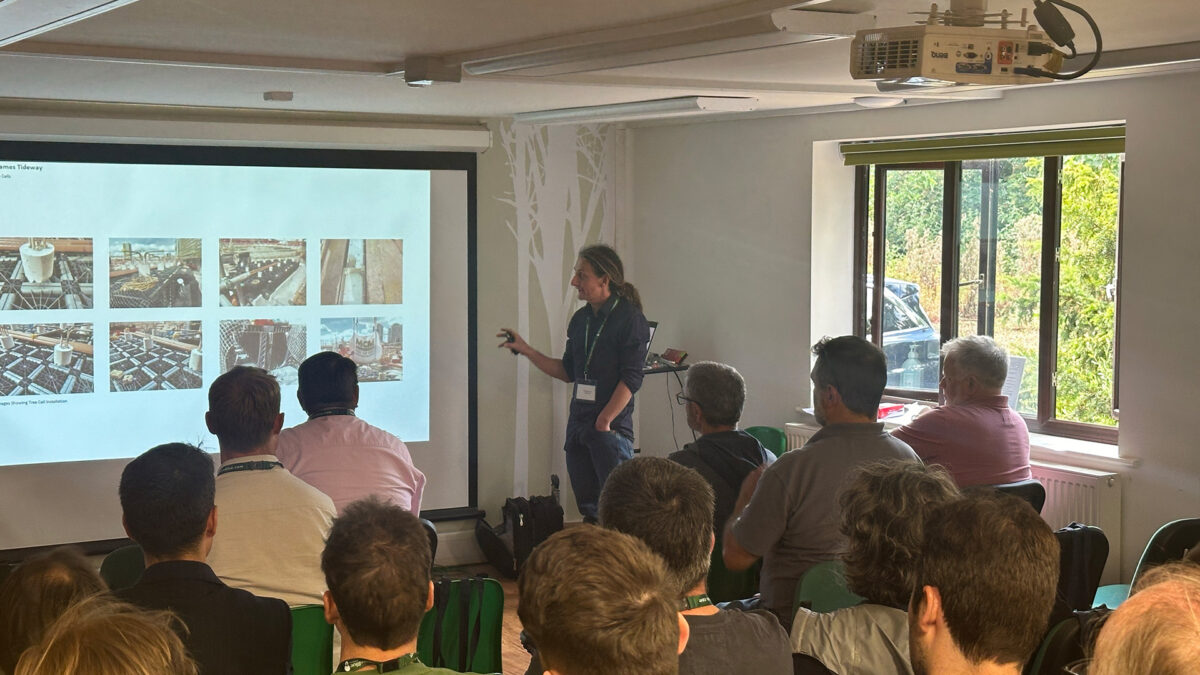
Dafydd Coe, Project Director, HED UK
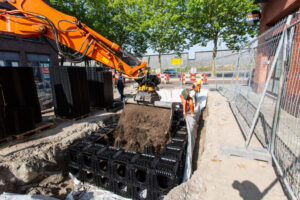
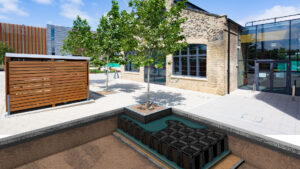
The event included an Arborsystem Tree Pit demonstration and a SuDSPod product talk, providing attendees practical insights into the latest innovations.
Lunch was a fabulous hot dinner consisting of burgers and chips, a classic choice that filled everyone’s stomachs before a nursery tour with Keith Sacre, Barcham Trees. This offered attendees the chance to see a working nursery in action and ask tree species-related questions in an informal setting.
“What a great event today hosted by GreenBlue Urban. It was a fantastic lineup of speakers giving insights into the matter from different angles. Thank you for organising and demonstrating the ease and speed at which the ArborSystem can be put together!” Susan Bertkau, Allen Pyke Associates
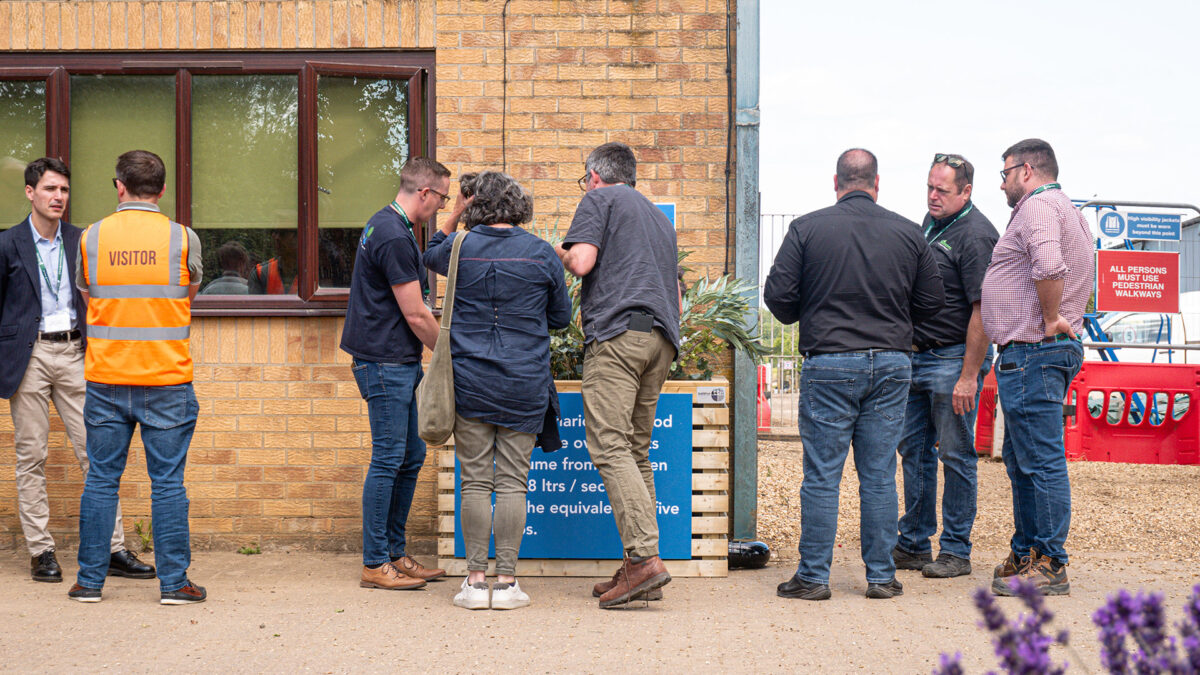
The day was marked by meaningful networking, continuous learning, and a promise to leave a lasting influence on the landscaping and urban forestry sectors. Attendees departed with newfound knowledge, valuable connections, and resources, including a curated goodie bag and the latest GreenBlue Urban SuDS Brochure, arming them with the information needed to tackle future projects.
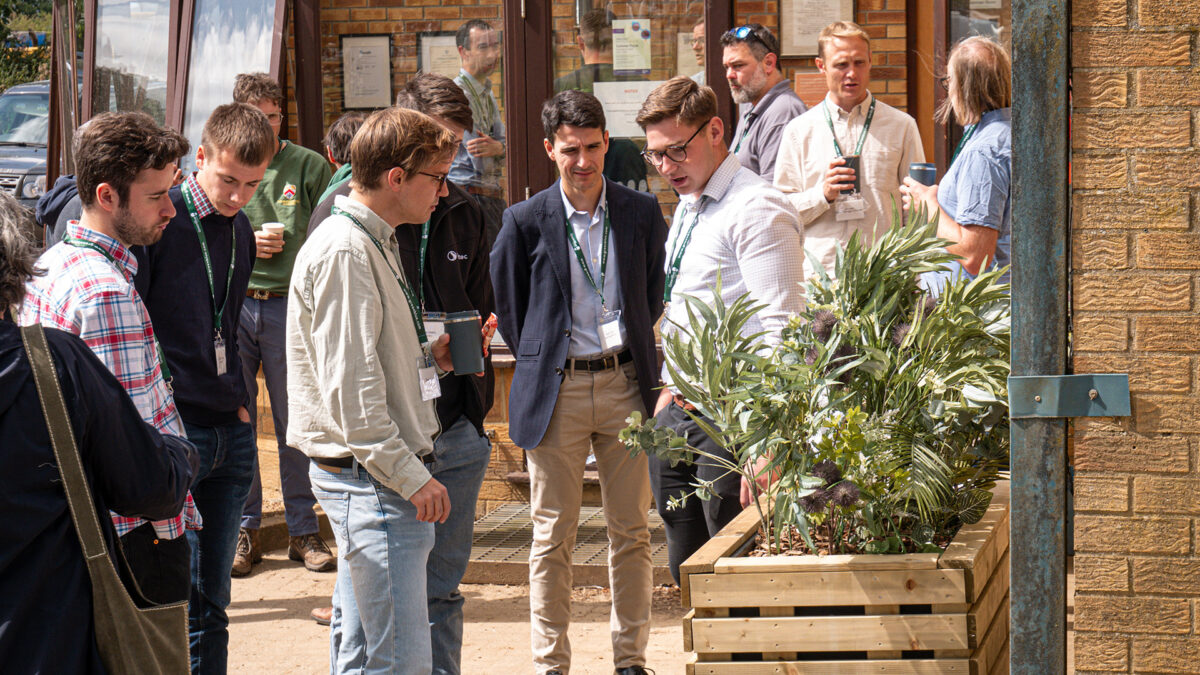
SuDSPod Product Demonstration
“Thank you to the team at GreenBlue Urban for the excellent day of talks today. I enjoyed the day with such a variety of speakers and topics, and it was great to touch and see some of the tree planting products physically and watch them being put together.” Bob Marshall, Aecom
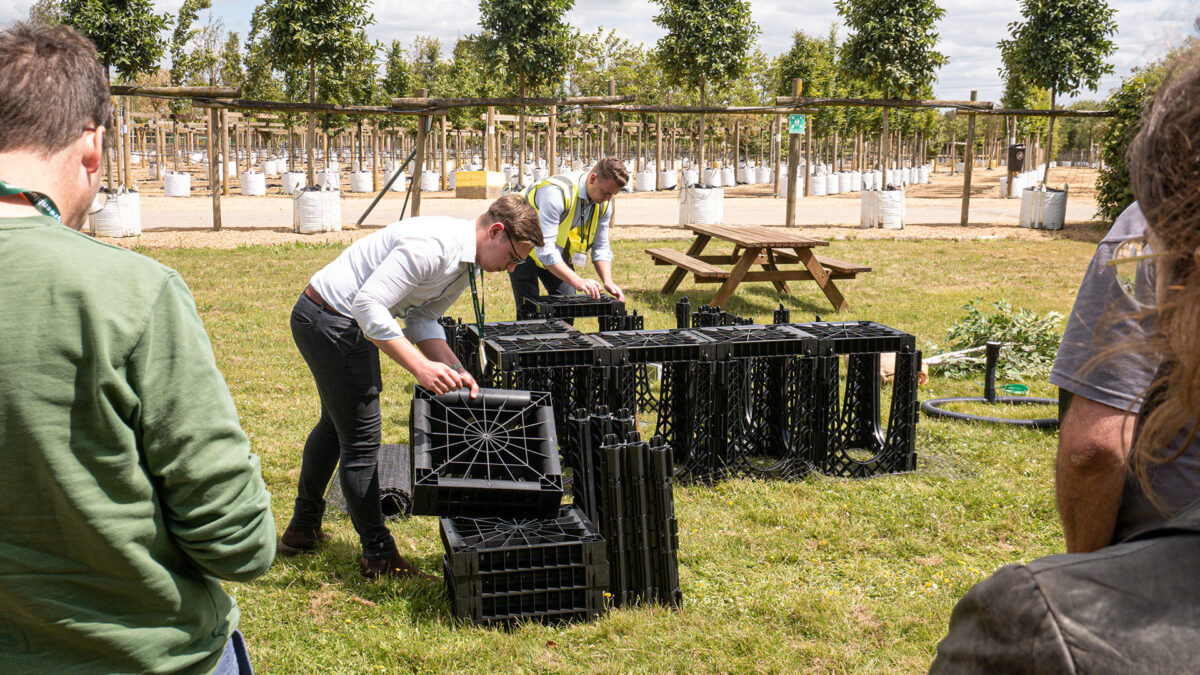
Arborsystem Tree Pit Demonstration
We look forward to seeing the award-winning projects that will flourish because of the insights and connections gained from this event.
Thank you to all who attended and contributed to making this event a success.