Sustainable Drainage Systems (SuDS) have emerged as an innovative approach to managing stormwater runoff, mitigating flood risk, and enhancing urban environments. However, misconceptions surrounding SuDS persist, limiting their widespread adoption and understanding. In this blog, we’ll debunk common myths associated with SuDS and explore how GreenBlue Urban MicroSuDS solutions can address these misconceptions while promoting a range of benefits.
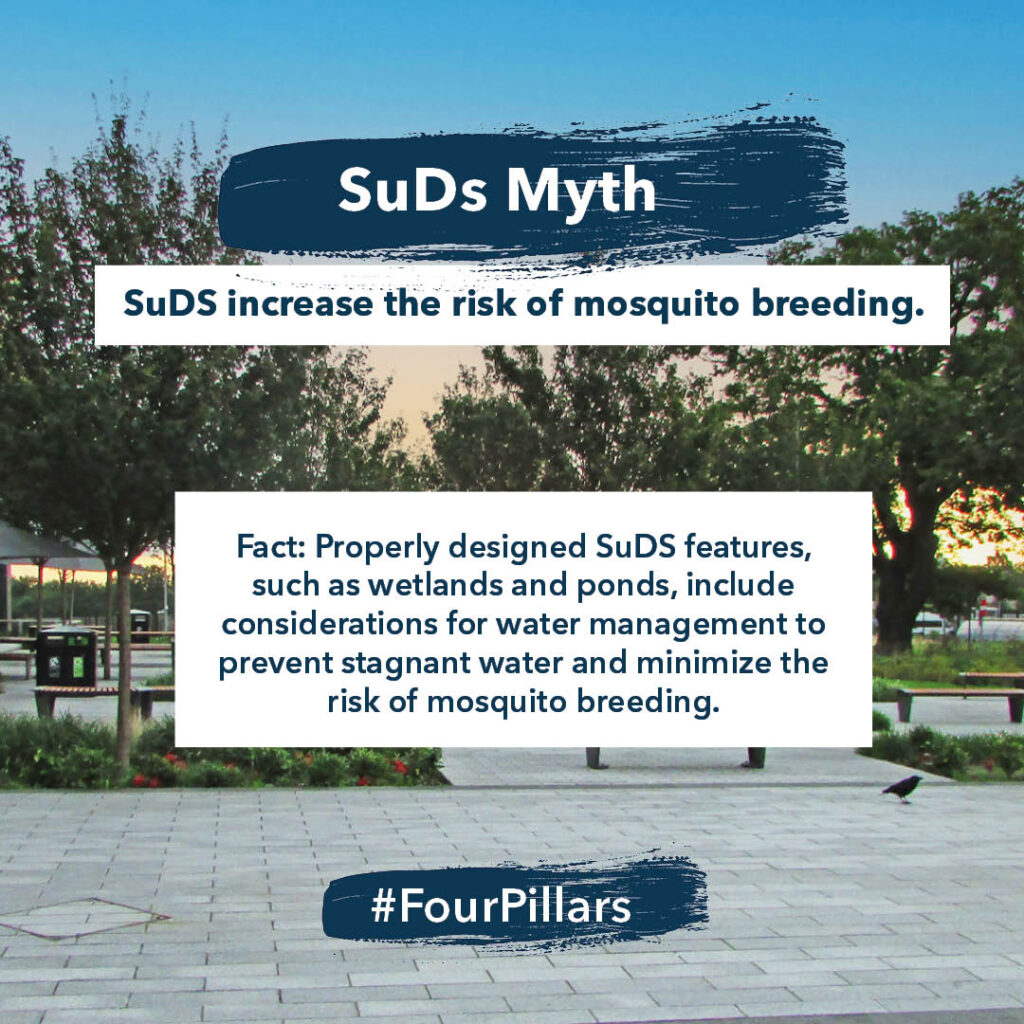
SuDS increase the risk of mosquito breeding: Properly designed SuDS features, such as wetlands and ponds, include considerations for water management to prevent stagnant water and minimize the risk of mosquito breeding.
SuDS are only for new developments:
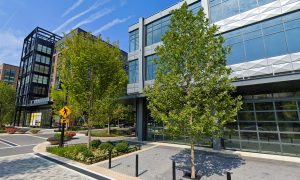
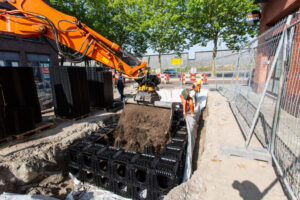
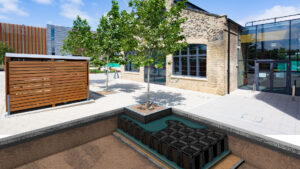
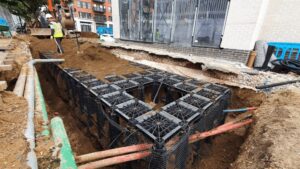
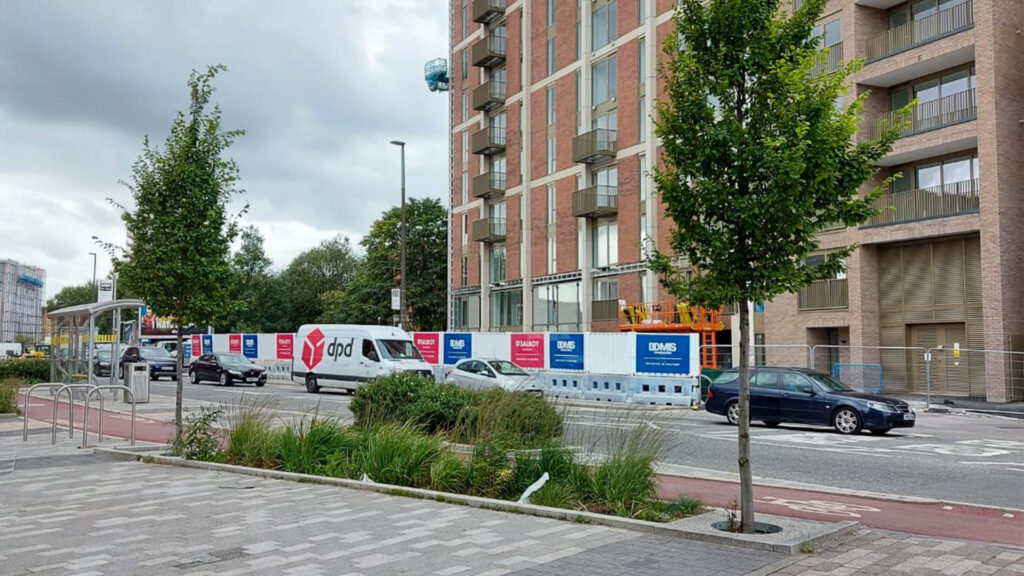
Contrary to popular belief, SuDS are not exclusive to new construction projects. Retrofitting SuDS into existing developments can significantly improve water management and reduce flood risk. GreenBlue Urban MicroSuDS solutions including Tree Pits, Rain Gardens and above-ground Planters, offer adaptable, space-efficient designs suitable for retrofitting into urban environments without extensive disruption.
SuDS are just ponds and swales:
While ponds, wetlands and swales are integral components of SuDS, the concept encompasses diverse techniques. By incorporating additional solutions to those mentioned above such as; permeable surfaces, green roofs and green walls you can encourage natural drainage processes while providing aesthetic and ecological benefits.
SuDS are expensive:
Despite initial perceptions of high costs, studies have demonstrated the long-term cost-effectiveness of SuDS solutions, which offer scalable, customisable options that minimise upfront expenses and reduce reliance on costly traditional drainage systems, ultimately saving money over time.
SuDS only manages flood risk:
While flood risk management is a primary function of SuDS, their benefits extend far beyond that. GreenBlue’s MicroSuDS solutions contribute to water quality improvement, biodiversity enhancement, and the creation of visually appealing green spaces, fostering healthier and more resilient communities.
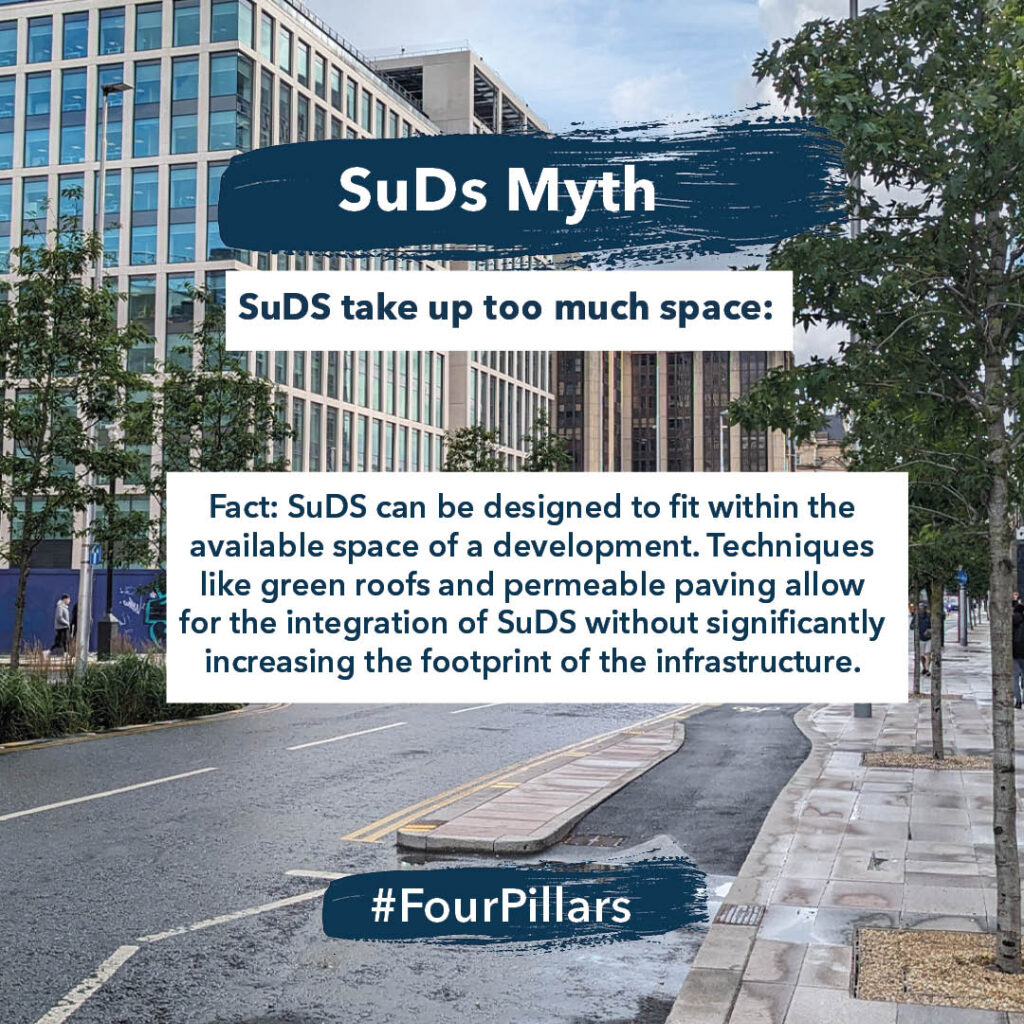
SuDS take up too much space:
MicroSuDS solutions are designed to maximise space efficiency while effectively managing stormwater runoff. Techniques such as rain gardens and planters allow for the integration of SuDS without significantly increasing the footprint of infrastructure, enabling more sustainable development practices
SuDS require a lot of maintenance:
Contrary to common belief, properly designed SuDS can be low-maintenance. Integrating natural vegetation and innovative technologies to minimise upkeep, ensures sustainable stormwater management without excessive maintenance requirements.
SuDS don’t work in cold climates:
SuDS are adaptable and can be tailored to function effectively in diverse climates, including colder regions. Incorporating features to prevent freezing and maintain functionality during winter conditions, ensures they are suitable for a wide range of environments.
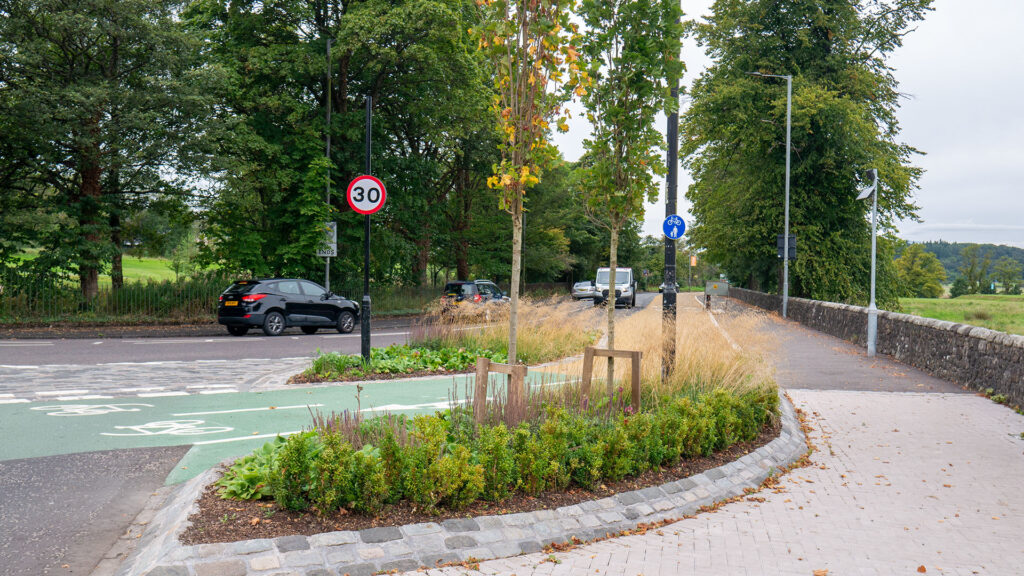
SuDS are only for urban areas:
While SuDS are often associated with urban development, they can be applied in rural and agricultural landscapes as well. GreenBlue Urban MicroSuDS solutions offer versatile designs suitable for various contexts, helping manage water runoff and improve water quality across different settings. Contact us today to discuss your specific project needs!
In conclusion, Sustainable Drainage Systems (SuDS) offer a holistic approach to stormwater management, exposing common myths and promoting various environmental, social, and economic benefits. GreenBlue Urban MicroSuDS solutions play a crucial role in overcoming misconceptions about SuDS while addressing the challenges of flooding, fostering greener environments, creating more land space for development, promoting social cohesion, and enhancing economic resilience. By embracing SuDS and innovative solutions like GreenBlue Urban MicroSuDS, communities can build more sustainable and resilient futures.