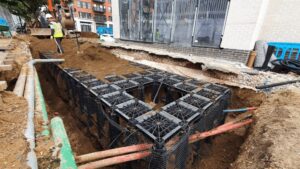
Here at GreenBlue Urban we applaud the Governments Environmental Bill; taking responsibility of our country for future generations is vital if they are to inherit England’s green and pleasant land.
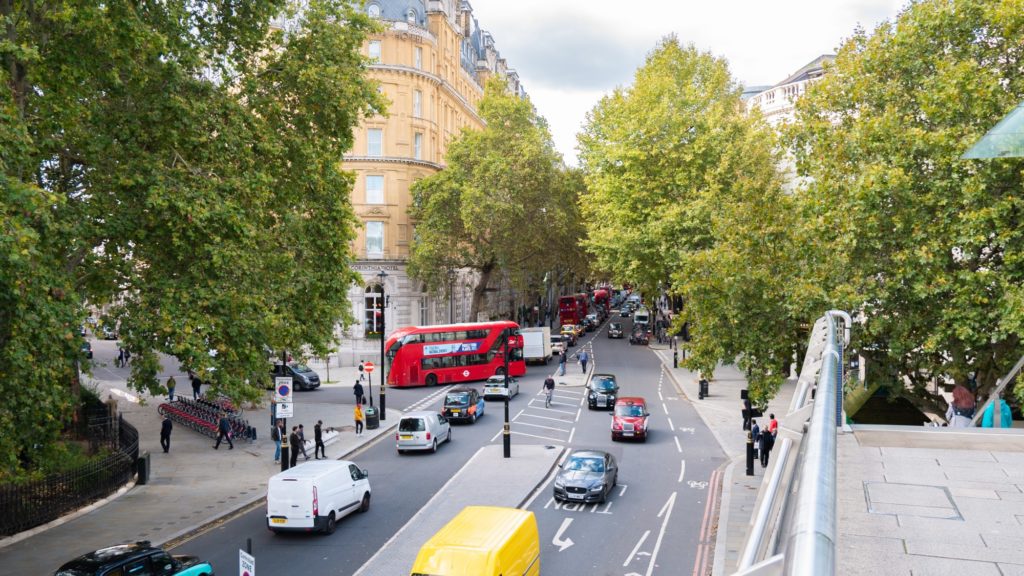
The inclusion of biodiversity net gain legislation will make a huge impact on the lives of those who live play and work in new developments – but only if done in a sustainable long-term way.
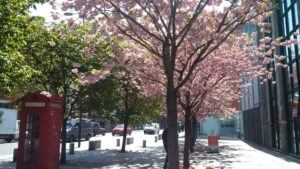
Planting a single tree, for example, could raise the number of bird species from near zero to 80
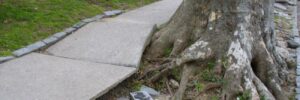
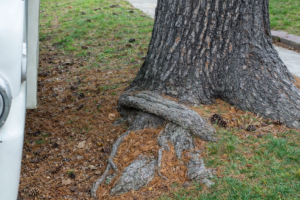
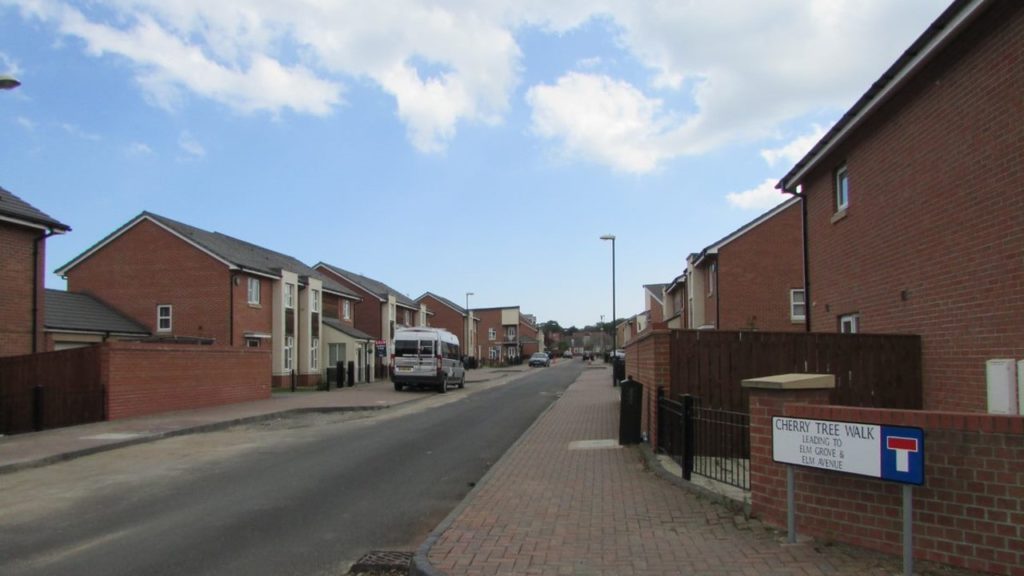
Too many well-intentioned bio diversely designed schemes fall at the last hurdle as value engineering is applied to the landscape, the last installed and too often viewed as the least important element. Too many decade old developments have poor landscape areas because of cost cutting, or arguments that the site does not have space to allow for these measures on site.
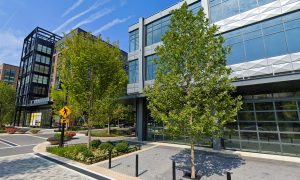
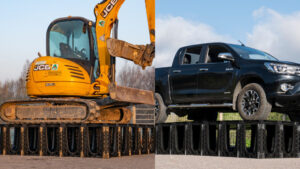
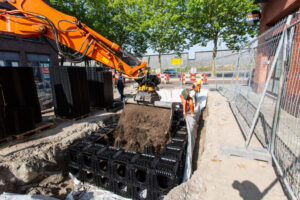
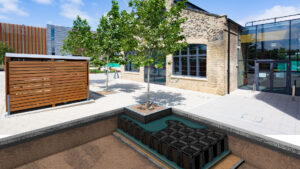
At GreenBlue Urban, our mission has always been to enable every tree to have the same chance of achieving species potential, and our cutting-edge urban planting systems provide a solution that guarantees long term tree success.
Using 100% recycled polymer products produced in the UK means that our ArborSystem package helps to reduce plastics sent to landfill, allowing fast establishment of urban trees which give us the myriad benefits that only these long living large plants can give.
Trees also contribute to the other commitment in the Bill: Air Quality.
A large healthy tree will retain air borne pollutants on the canopy, phytoremediate soluble pollutants in the rooting zone and produce oxygen for us all to breathe.
With London securing over £2m of funding from the Forestry Commission, Sadiq Khan has then matched this with over £1m from the Mayor’s Greener City Fund along with £1m from participating boroughs. We hope that other major cities follow suit!
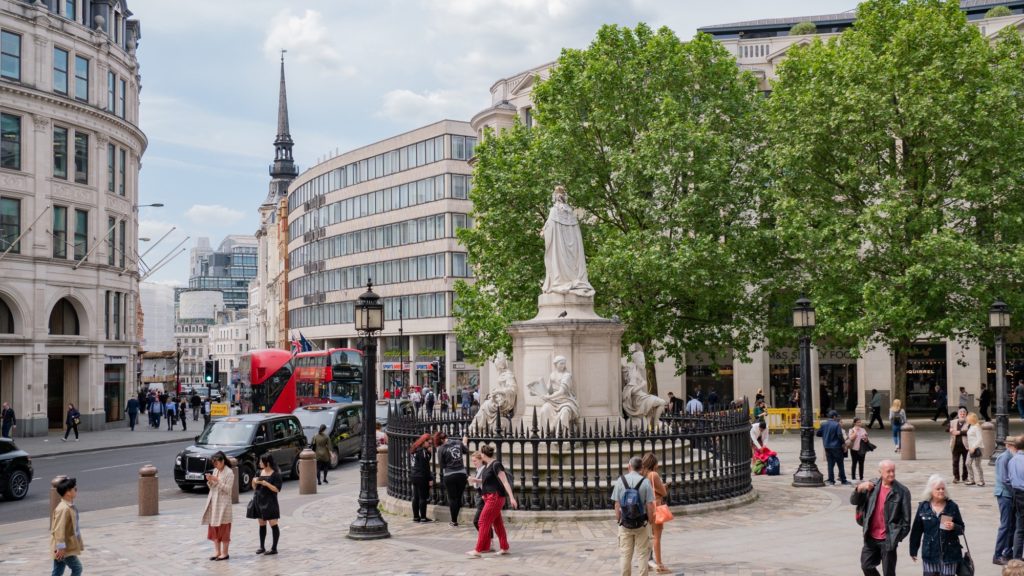
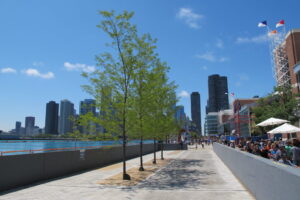
To meet our commitments to carbon reduction and the enhancements of our environments, we must sustainably plant more trees in our crowded urban areas. GreenBlue Urban- spearheading the changes in our metropolitan areas.
Now that we are fully immersed let all focus and join forces to ensure we achieve all four aims:-
- Improve Air Quality
- Enhance Nature
- Increase Recycling
- Cut down plastic waste
Discover more on the environment bill here
We certainly will with upcoming collaborations with private and public industry specialists to bring you upcoming Blogs, Webinars and Podcasts!