
In a world that’s increasingly focused on sustainability and reducing our carbon footprint, innovative solutions are emerging to meet the growing demand for clean and efficient energy sources. One such innovation is ReLuminate, an off-grid wind and solar-powered lighting structure designed to bring light to infrastructure projects, construction sites, railways, and car parks. This cutting-edge technology not only provides illumination where it’s needed most but also demonstrates a commitment to a greener future.
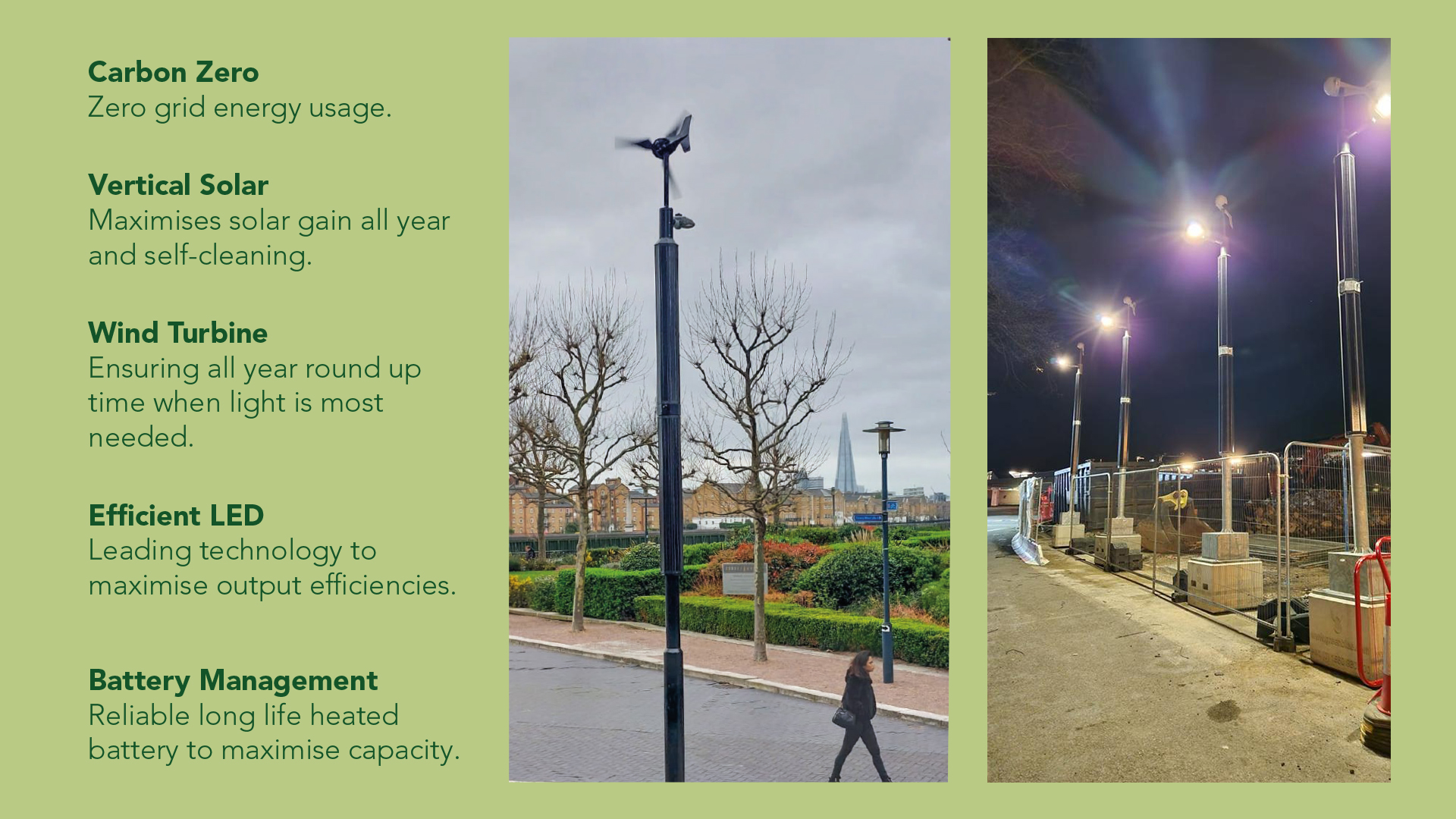
The Challenge of Off-Grid Lighting
Infrastructure projects, construction sites, railways, and car parks are often located in areas where access to traditional electrical grids is limited or costly. In these situations, providing adequate lighting can be a significant challenge. Historically, diesel generators or fossil fuel-powered lighting towers have been used as a stopgap solution, but these come with their own set of environmental and logistical issues.
Enter ReLuminate, a game-changing alternative that harnesses the power of renewable energy to light up your projects, all while minimizing your carbon footprint.
ReLuminate is entirely self-sustaining, relying on a combination of wind and solar energy to power its LED lighting system. This means zero emissions, reduced operational costs, and a significantly smaller environmental impact compared to conventional lighting solutions.
Whether your project is temporary or permanent, ReLuminate can adapt to your needs. Its modular design allows for easy installation and relocation, making it perfect for construction sites that are constantly evolving or for long-term installations in parking lots and along railways.
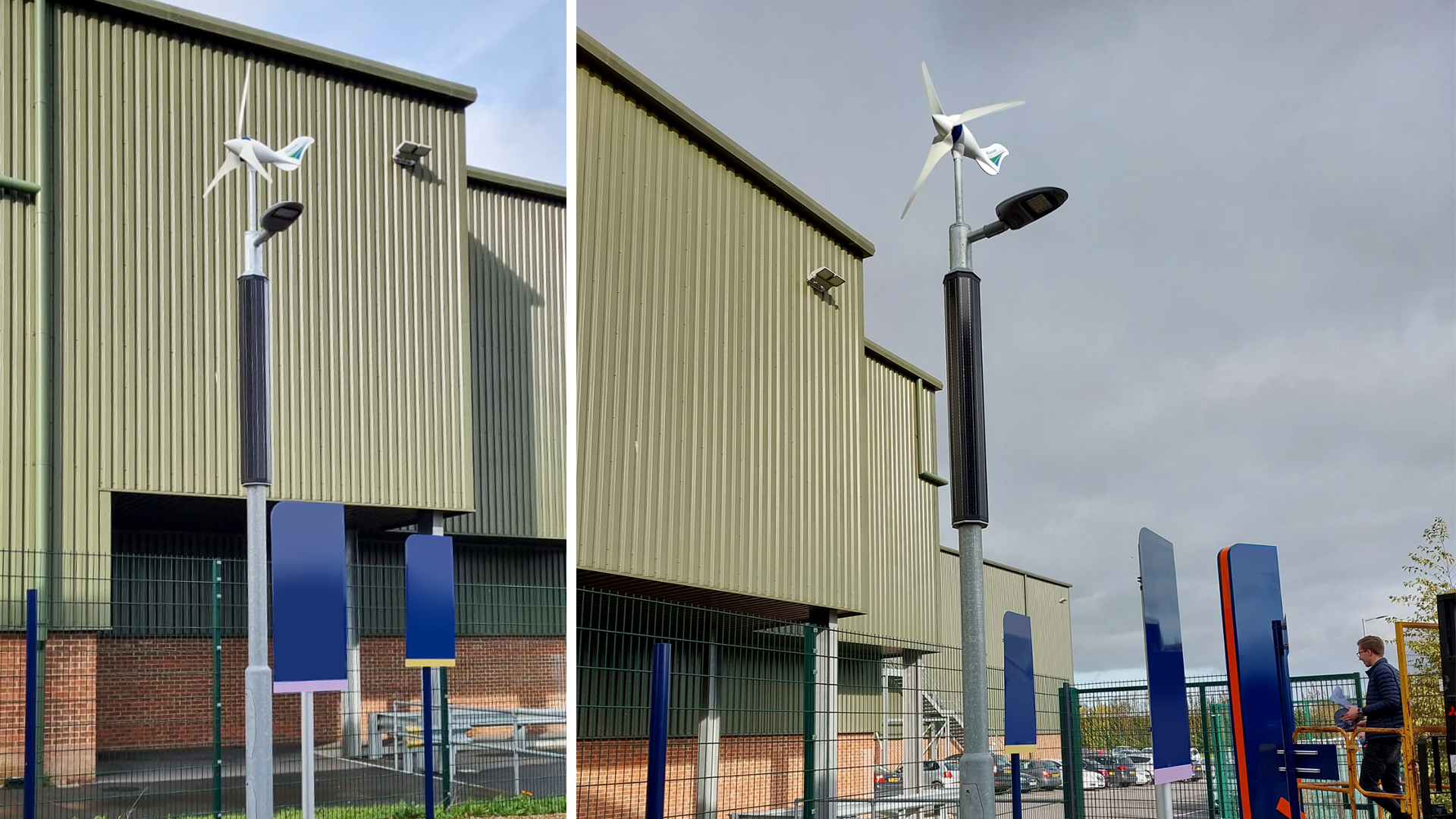
ReLuminate doesn’t compromise on performance. Its advanced LED lighting provides high-quality illumination, ensuring safety and productivity on your project site, even during the darkest hours. Built to withstand the harshest of weather conditions, ReLuminate is designed for durability and longevity. Whether it’s rain, snow, or high winds, this lighting solution can handle it all.
The Future is Bright with ReLuminate
Conventional lighting can disrupt local ecosystems and contribute to light pollution, which has adverse effects on wildlife and human health. ReLuminate’s LED lighting system can be designed with carefully selected wavelengths to minimize its impact on the surrounding environment, reducing light pollution and preserving local biodiversity.
As we strive for more sustainable and eco-friendly solutions, ReLuminate offers a beacon of hope for infrastructure projects, construction sites, railways, and car parks. Harnessing the power of renewable energy, not only illuminates your projects but also demonstrates a commitment to a greener future.
Say goodbye to noisy generators and expensive fuel costs. Say hello to ReLuminate – the future of off-grid lighting. Illuminate your projects with clean, renewable energy and make a positive impact on both your bottom line and the environment.
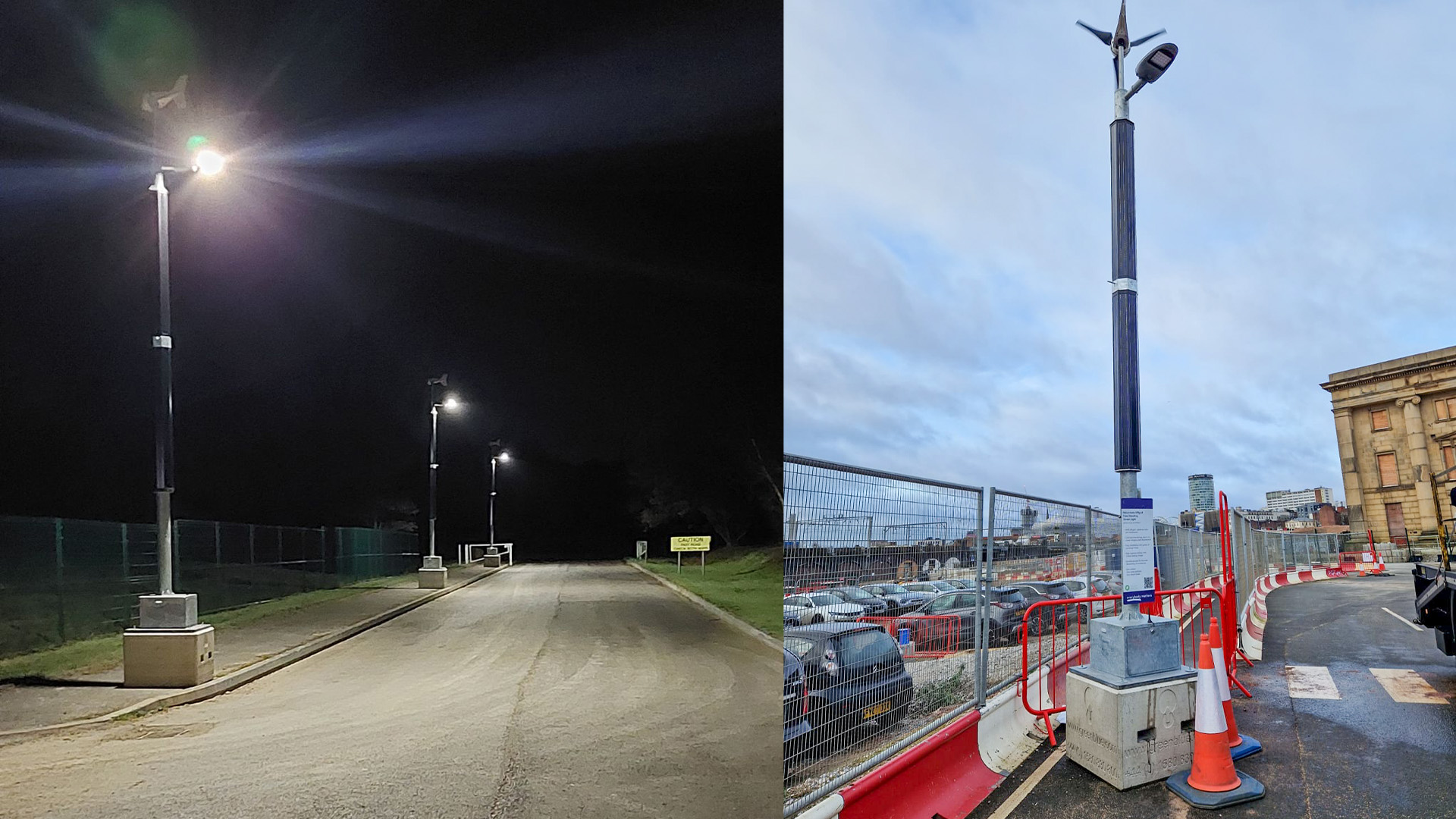
Invest in ReLuminate today and light up the path to a brighter, more sustainable tomorrow. Together, we can build a world that’s not only well-lit but also environmentally responsible.
ReLuminate will be showcased at Futurescape 2023 – register here for tickets!