Over recent years, the scandal of our sewage-polluted watercourses and seas in the UK has received widespread publicity. The public is rightly horrified that most of our British watercourses are not fit for swimming in and that untreated sewage spills have occurred so often—but not all of us are aware that we can be contributing to the problem.
Our “combined” sewers collect foul sewage and rainwater, and most of our older towns and cities rely on this type of drainage. Newer developments have a “twin pipe” solution, with a separate foul sewer and surface water sewer, and this design usually does not cause trouble—except for misconnections. So, by simply reducing the amount of rainwater entering the combined sewer from our properties,, we can help reduce the overall problem.
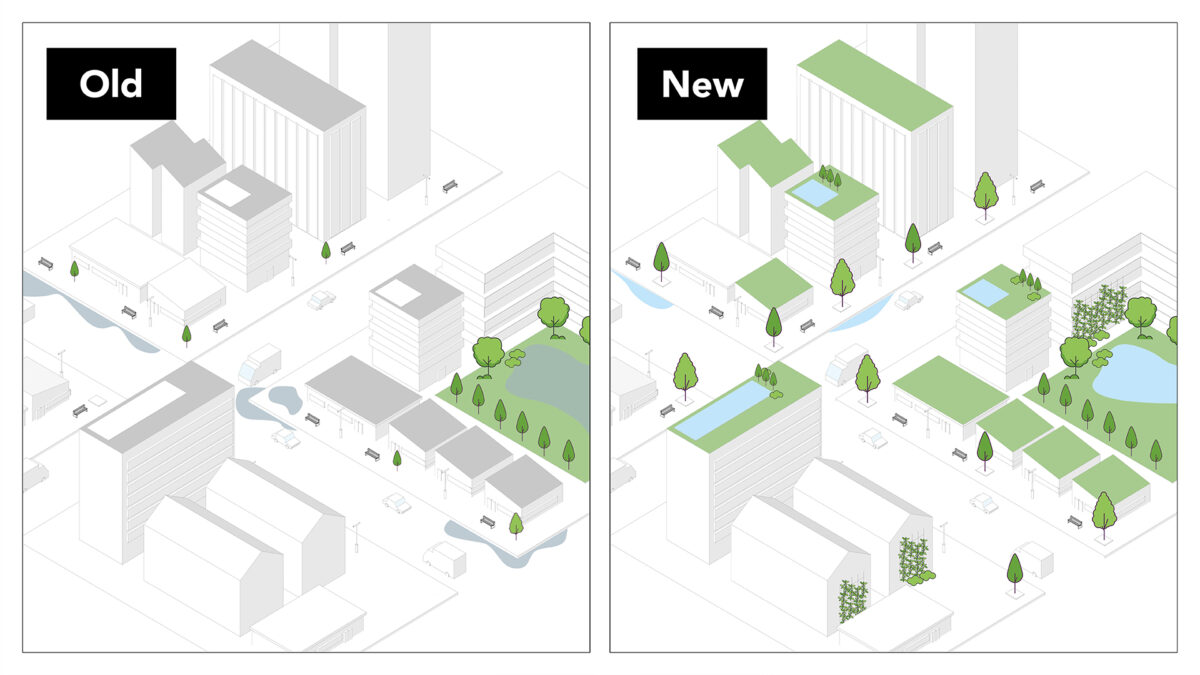
But how can we do this? Water can be moved around but is difficult to destroy. If nothing else, emptying your water butt before a storm event means that less water will be flowing down the drain during the rainstorm – and there are many other opportunities now available to landowners.
With a newly elected government, the industry is waiting on the enactment of Schedule 3 of the Flood and Water Management Act 2010 in England; Wales did so in 2019. This requires most new build developments to submit a Sustainable Drainage System (SuDS) proposal to the SAB (SuDS Approval Body) for approval before construction commences. This also removes the automatic right to connect new developments to the mains drainage system, thus forcing developers to consider SuDS early in the design process.
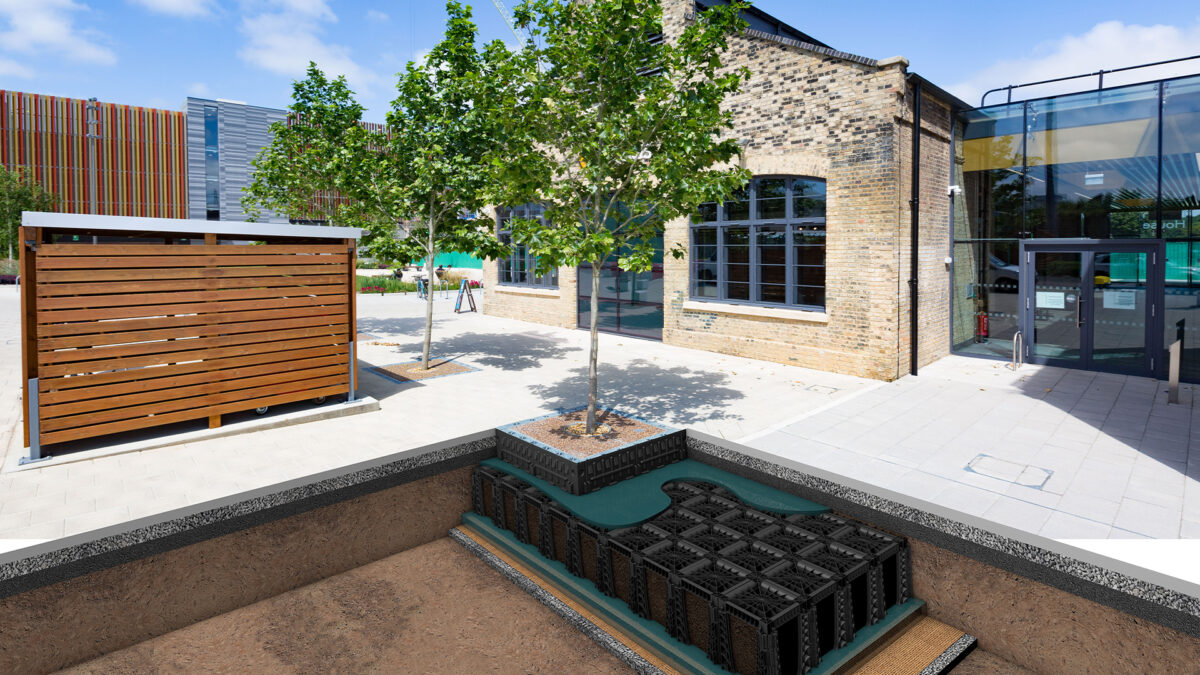
So, what are SuDS? Sustainable drainage systems are nature-based solutions that slow down water, clean it up, and bring other benefits to the ecosystem. These features can be used independently, but more often in a series of features known as “SuDS Trains” to maximise effectiveness. In addition to the attenuation provided by the soil, plants and trees take water from the ground via evapotranspiration through their leaf structure, reducing the water flowing through the system.
The inclusion of SuDS at the master planning or development site planning stage has a significant effect on the viability and cost-effectiveness of SuDS integration and the ability of SuDS to deliver multiple benefits. Master planning provides a strategic approach to consider the (sometimes competing) requirements for development. SuSDrain
While gently introducing SuDs to developers is widely considered not to have worked, many developments have poor sustainable drainage solutions that can even be detrimental to the properties’ value. The new legislation will help improve the delivery of these essential features to everyone’s benefit.
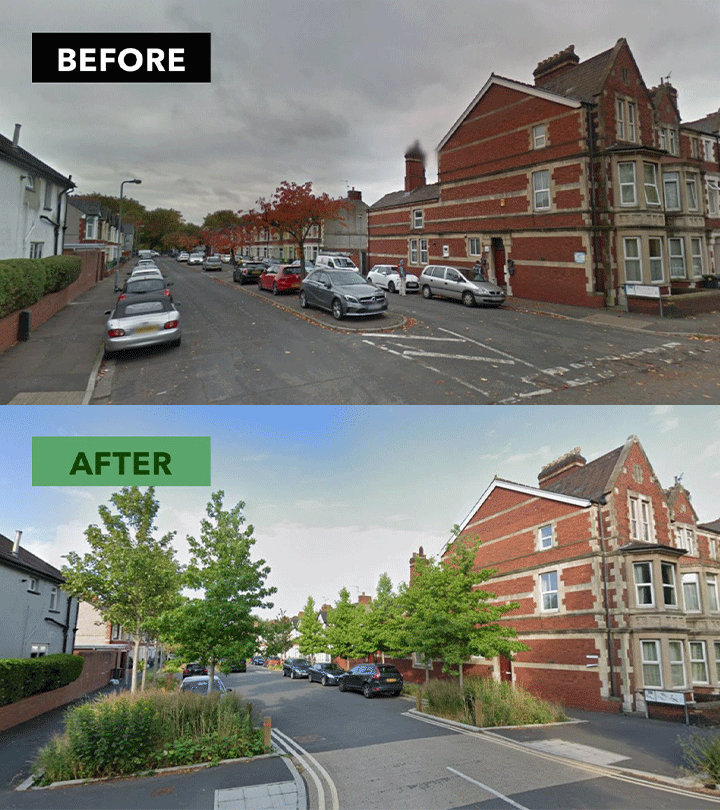
GreenBlue Urban has long advocated for landscape professionals’ early intervention in the design process. Schedule 3 will further enhance their status as vital designers of critical infrastructure.
So, how does this affect you?
- Arborists:
“SuDS integrates trees into urban planning, enhancing green infrastructure and improving tree health, which benefits long-term urban forestry goals.” - Contractors:
“The rise of SuDS means contractors must adapt to installing innovative drainage systems that meet regulatory requirements and reduce long-term maintenance costs.” - Developers:
“SuDS offers developers a way to meet sustainability criteria, add value to properties, and ensure compliance with planning regulations.” - Engineers:
“Engineers are increasingly required to design and implement SuDS that manage water sustainably, offering technical solutions that mitigate flood risks and improve urban resilience.” - Local Authorities:
“As SuDS become mainstream, local authorities need to enforce and promote these systems to reduce flood risk, enhance community spaces, and meet environmental targets.” - Landscape Architects:
“SuDS enables landscape architects to design multifunctional landscapes that manage water, enhance biodiversity, and create aesthetically pleasing, sustainable urban spaces.”
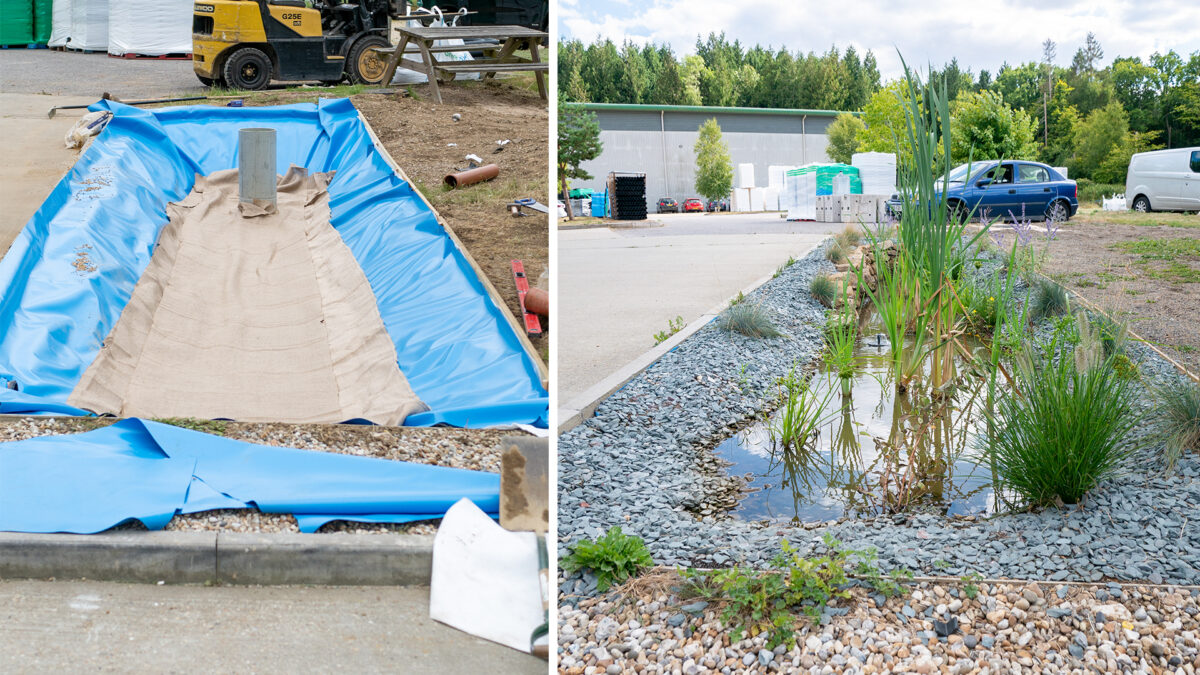
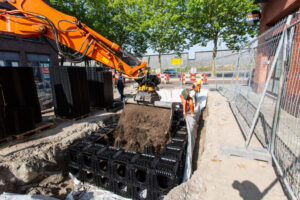
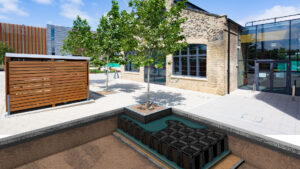
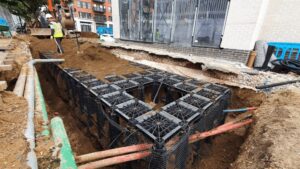
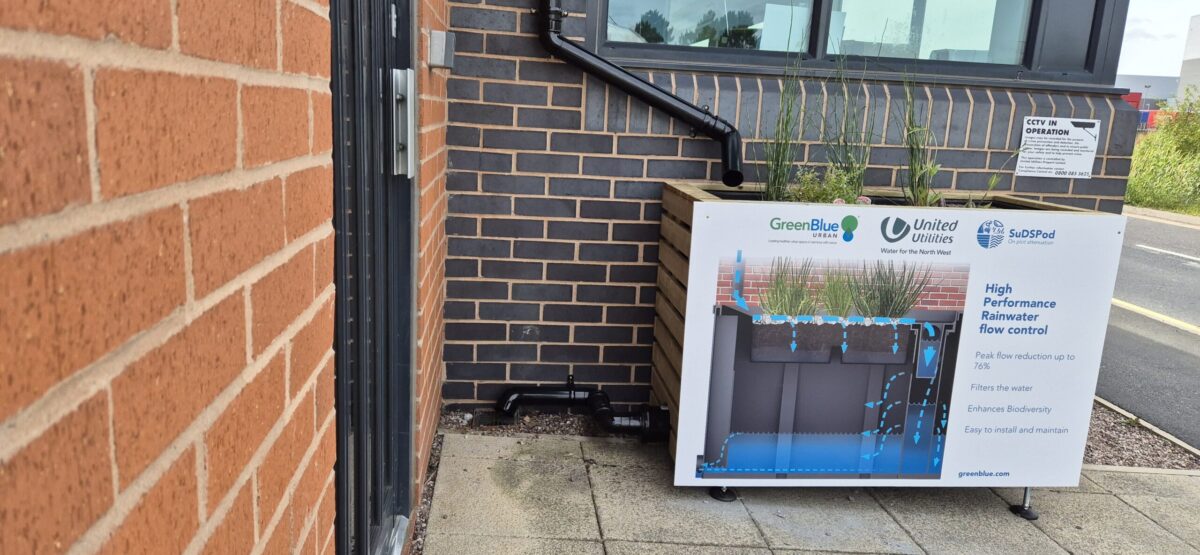
GreenBlue Urban continues innovating and manufacturing solutions like the ArborFlow SuDS-enabled tree pit. The HydroPlanter range of adaptable rain garden solutions makes implementation simpler and cheaper. The newly launched SuDSPod, with its patented design, redefines the concept of drain-down vessels for stormwater management, surpassing its own storage volumes.
Why not discover more by booking our NEW Adapting to Climate Change – Successful SuDS CPD. An interactive session with Stats and Facts, global case studies, design tips and tools to support your next SuDS Scheme!
Collaboration is critical – GreenBlue is here to support GBI infrastructure needs – creating healthy urban spaces in harmony with nature.