Urbanized areas may only occupy around 2% of the world’s habitable land, but they are the biggest drivers of global climate change. Referred to as “urban heat islands”, cities are usually hotter than rural areas for numerous reasons.
Traffic pollution creates a greenhouse effect that traps heat at night. While the cutting down of local trees means the lose of their ability to absorb CO2 and convert it into oxygen. Pavement quickly release the heat they retain back into the air, while rainwater is drained away in sewer systems, depriving the area of the cooling effect of rain soaked into soil.
Then we have people. They generate body heat and condition buildings to keep themselves warmer or colder – air conditioning meaning that warm temperatures from inside the building are transferring into the streets outside, adding to the city’s heat island effect.
The Global Warming Debate
Discussions around global warming often tend to overlook urbanization’s contribution to the problem, instead concentrating on what is happening to the temperature across the world.
Meaning policy makers aiming to fight global warming overlook the fact that by focusing on ways to make cities cooler, they would contribute immensely to the solution. Perhaps much more of a contribution than focusing on global carbon reduction agreements that either fail or are severally reduced.
The facts are that cities have been living with the effects of local warming for decades. So by observing cities around the world, we can determine what needs to happen, and get cities that do less to focus on doing more.
One Size Doesn’t Fit All
Research has found that shade can make a significant difference to the climate of tropical cities. This is not about shading buildings exactly, but to encourage an urban design that makes the spaces between buildings naturally shaded without compromising the buildings’ ability to have sunlight.
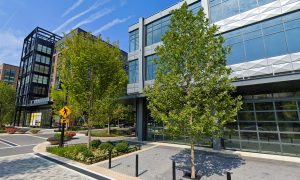
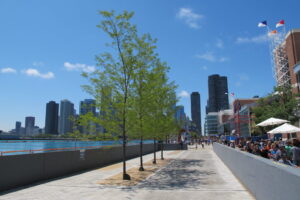
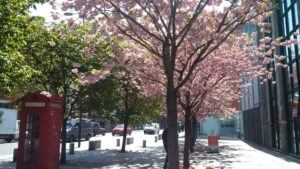
Achieving this means an intelligent combination of building heights and geometry, along with elements such as canopies, awnings and urban tree plantings.
With care and attention to detail, urban areas can combine good shading with generous street trees to cool neighbourhoods to more moderate temperatures. And even a couple degrees can make a huge difference in an unbearable hot area of a city.
Some cities around the world are enacting policies to make a difference. Heat island policies including planning requirements such as tree planting and reduced exposure of paved areas in parking lots are a couple examples.