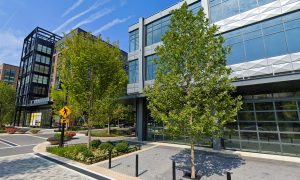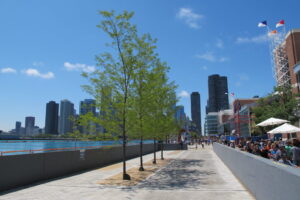
How would you like to live in the same building you work and shop and even meet friends for drinks at the end of the day? Mixed-use developments are all the rage right now, as urban developers are combining living and retail space on every city corner…and even some suburban ones as well!
Homebuyers and renters alike are increasingly drawn to convenient living, which means little to no maintenance and a walkable community. For a growing population, taking the daily train from the suburbs into the city is no longer an attractive trend. Residents want a feeling of “belonging,” so it is natural that walking down a flight of stairs and into a local bakery would be a tremendous urban appeal. Other tenants quickly become family, and building investors LOVE long-term tenants.
So just imagine if that same building was located within a block of a dog park and daycare? How about a grocery or fitness facility containing high-end condominiums on its 2nd through 5th floors? Land is preserved, urban developments can accommodate more people, and the tax base is increased so city politicians smile. Not to mention the business-owners! They have built-in customers and have established that much-desired feeling in a community that we all long for…to walk into an establishment “where everybody knows your name.”
However, mixing retail or industrial space with residential space can be a tricky proposition if not scrupulously designed. Development must be long-sighted and resilient if there is to be multi-generational business and residential success. A mixed-use development can also cause a lot of frustration and loss to a community if any details go unconsidered; namely traffic and financing tend to be the greatest challenges:
Traffic: The starting customer base is obvious at first glance, but businesses thrive on a continuing growth of customers. Can the location of the retail space handle the increased foot traffic? How about public transportation? Real estate has been built on the adage, “location, location, location” and it’s even more important to investors than it is to residents. If it doesn’t have convenient access to the outdoors, it simply won’t fly as a good investment.
New and trendy development trends: Traffic flow isn’t the only deterrent to investors. Although mixed-use properties are raging in popularity, they are still relatively new to urban populations. If a city is just starting to explore the idea, they are sometimes a tough initial sell to lenders. Developers must explore every possible scenario and prepare a flawless pitch on the advantages of these communities. From saving natural resources, to creating rental spaces and social cohesion, to a reduction in crime, and the improved health and wellbeing of residents and visitors alike, there are dozens of advantages to mixed-use developments, so prepare to sell them well and watch your city transition into one of the most inviting trends in urban history.
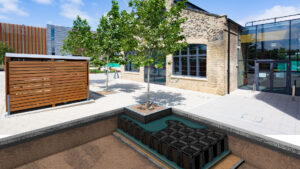
GreenBlue Urban knows that the external landscaping is critical to the longevity of a mixed-use development. We work with many municipalities, designers and planners to help bring urban visions to life, whether it’s by utilizing our green Urban Tree Pit Planting solutions, that also help with stormwater control. Call today and discover how to improve urban residential AND commercial space so that everyone can feel at home in a healthy and beautiful downtown environment. We make places where people love to work, live, play, and study!