At GreenBlue, we have explored strategies to navigate the challenges faced in urban tree planting, highlighting the innovative solutions GreenBlue Urban offers to address above- and below-ground issues.
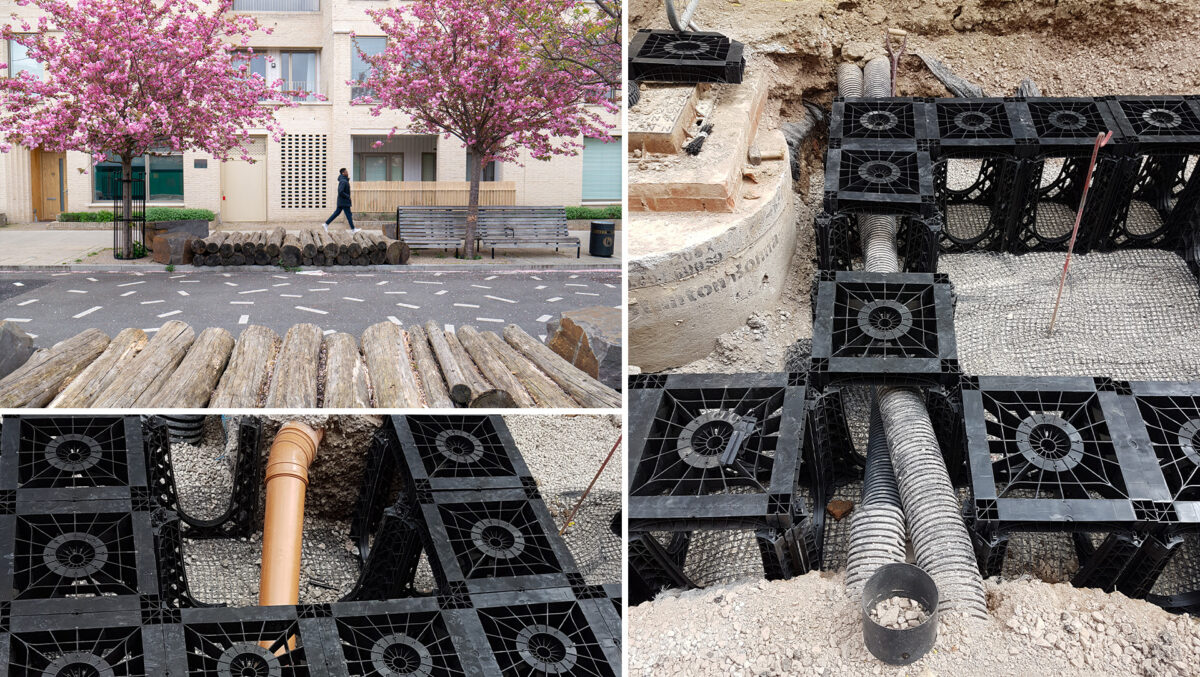
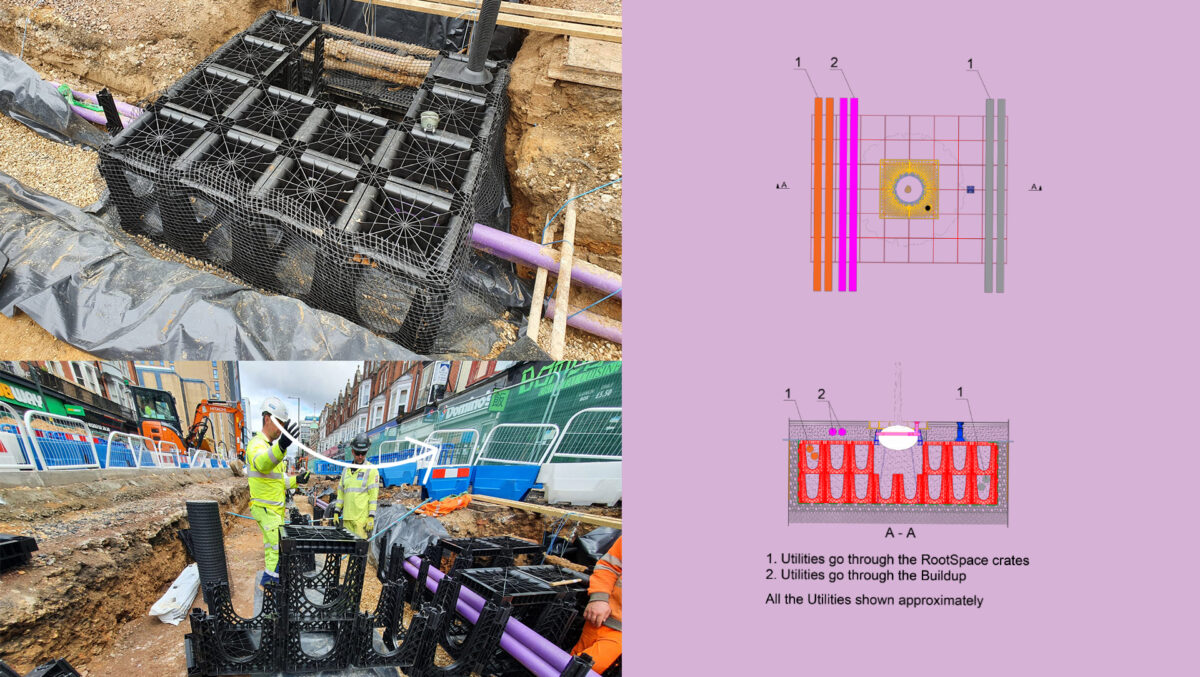
A common question arises: Can utilities be integrated within a GreenBlue Urban RootSpace soil cell system? There’s a prevalent misconception that utilities and tree roots cannot coexist, which has led to the cancellation of many planting projects—often unnecessarily.
Underground utilities are a constant reality in urban environments. To enhance and maintain our canopy cover, developing strategies that effectively incorporate these utilities into tree pits is crucial.
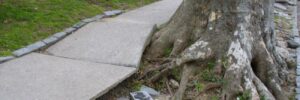
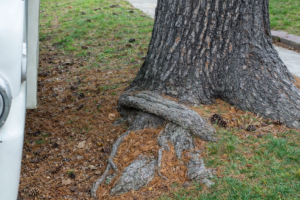
Tree roots are opportunistic, making the availability of high-quality, uncompacted soil essential for their establishment. Often, insufficient accessible soil volume drives tree roots to seek nutrients, water, and air from surrounding areas. When installing utility ducts and pipes, the excavated sub-soil is typically backfilled with sand or gravel around the service run, aerating the soil and creating a more root-friendly environment. Interestingly, many utility runs can accumulate condensation on their exterior due to temperature differences between the surrounding soil and the internal service. This moisture can encourage fibrous root growth in that area. Recent research indicates that tree roots can sense moisture movement underground and may actively grow toward drainage lines, even without visible leaks. This underscores the importance of carefully considering the placement of utility runs about tree planting pits.
So, how can we ensure the uncompacted soil volume necessary for long-term tree health beneath hard surfaces?
GreenBlue Urban provides valuable guidelines for the soil volumes required by various tree species, but we recognise that achieving optimal volumes in densely packed urban spaces is often challenging. A smaller volume of uncompacted soil is far more advantageous than a larger volume of poor-quality growing medium, such as structural soils. Therefore, we must develop methods to protect quality soil from compaction and anaerobic conditions.
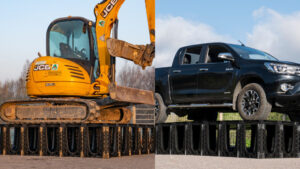
GreenBlue Urban introduced the world’s first soil cell system, the RootCell, two decades ago. This innovation has significantly impacted global urban tree mortality rates more than any other product available. Recreating forest floor soil conditions enables trees to thrive as they would in their natural habitats, evidenced by the continued growth of canopies in urban trees installed with these solutions.
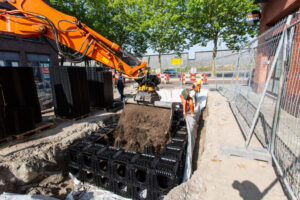
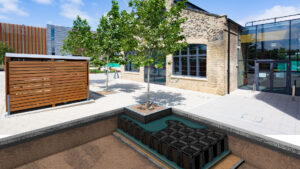
GreenBlue has continued to innovate, launching the StrataCell soil cell in 2007 and the RootSpace system in 2016. Both systems are manufactured from 100% recycled and recyclable polymers, diverting end-of-life plastics from landfills and incineration. The latest RootSpace soil cell has gained remarkable popularity, featuring any soil cell’s highest volume ratio worldwide. It accommodates larger utility runs, is cost-effective, and includes an aeration deck for enhanced gaseous exchange across the soil area.
Service ducts and pipes up to 300mm in diameter can seamlessly integrate into the RootSpace construction.
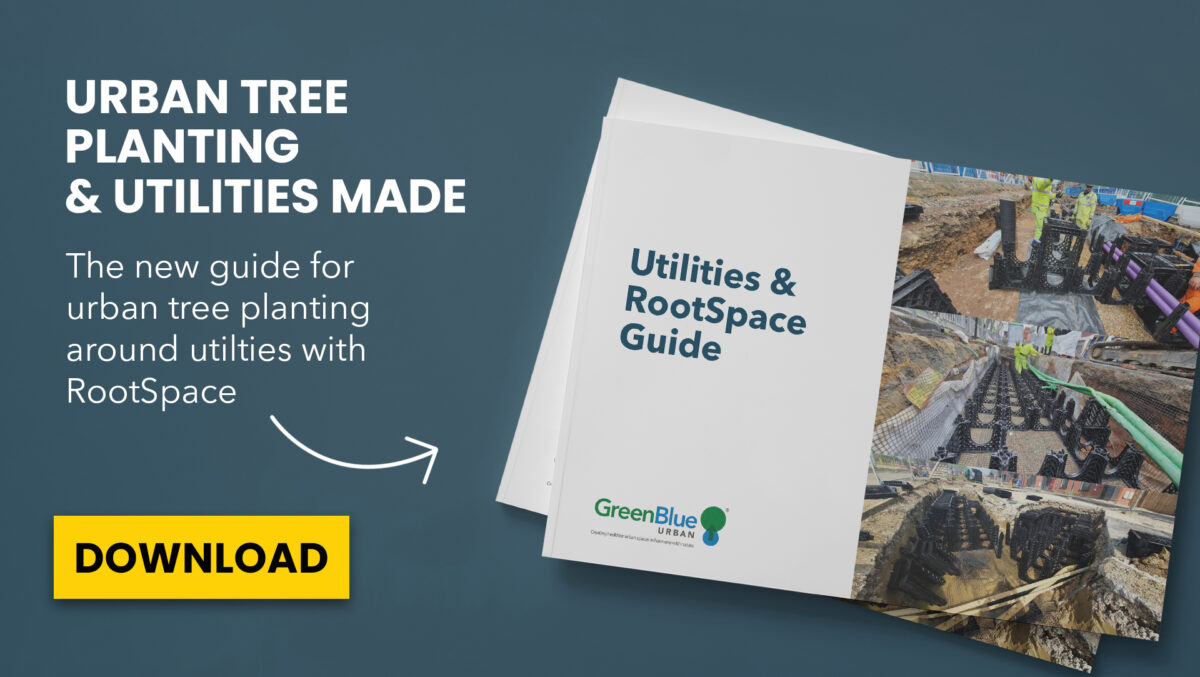
Utility companies have praised the RootSpace concept, which offers added asset protection. When access to utilities is necessary, the RootSpace lid is easily lifted first, reducing the risk of utility strikes, which can be costly to repair. GreenBlue Urban also recommends installing warning tape above the RootSpace system, which provides early alerts to workers about underlying services and prevents potential accidents.
As the need for more urban trees to combat climate change becomes increasingly urgent, solutions like RootSpace are essential. GreenBlue Urban is dedicated to enhancing our green infrastructure, addressing blue stormwater challenges, and minimising reliance on fossil fuels through recycling and sustainable manufacturing practices. GreenBlue Urban – paving the way for a greener, cleaner future.