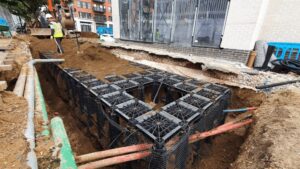
Transportation projects play a vital role in connecting communities and driving economic growth. However, incorporating Sustainable Urban Drainage Systems (SuDS) into these projects presents a unique set of challenges. From protecting infrastructure to addressing safety concerns, several factors must be carefully considered to ensure successful integration.
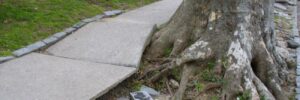
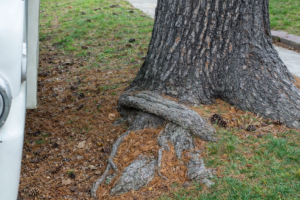
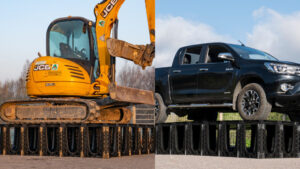
One of the primary challenges of integrating SuDS into transportation projects is the need to fully protect road, pavement, and rail infrastructure from damage. SuDS installations must be carefully designed to prevent erosion, maintain structural integrity, and ensure that additional safety risks are not introduced to the transportation network. The selection of SuDS is influenced by various factors, including site conditions and adherence to the four pillars of sustainable drainage – quantity, quality, amenity, and biodiversity. Balancing these factors while meeting project requirements can be a complex task, requiring careful consideration and expertise.
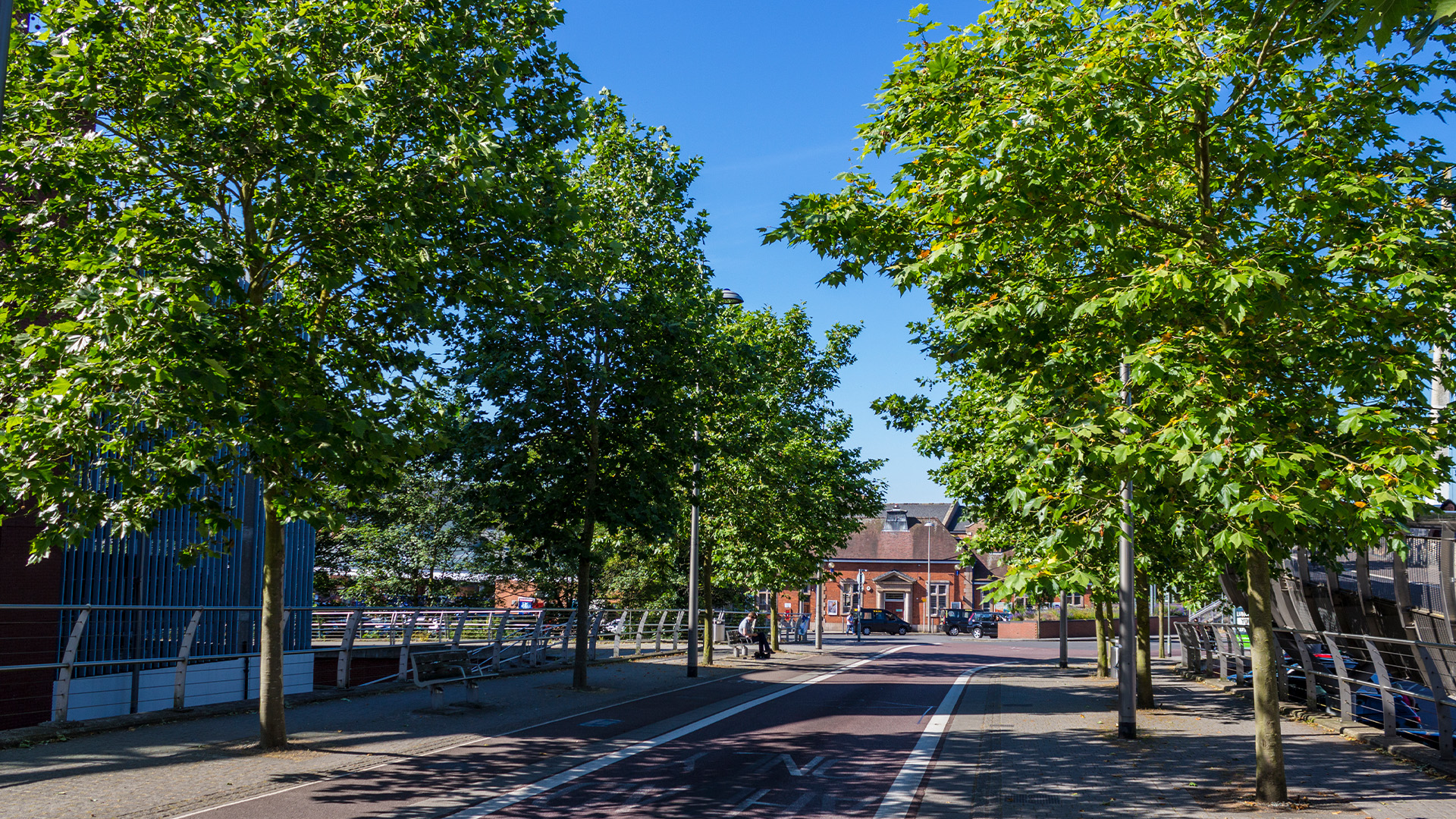
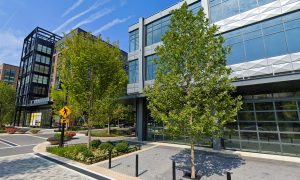
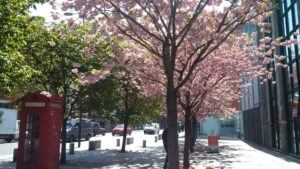
Aylesbury Transport Hub:– The international engineering consultants advising on the project drew on GreenBlue Urban’s experience in the design and construction of structurally stable but root-friendly tree pit designs to ensure that the trees had the best possible chance of success.
Transportation projects often require construction to meet agreed standards and undergo technical approval. This can pose challenges for the adoption of SuDS, as highway authorities may be hesitant to embrace unfamiliar or unproven techniques. Overcoming these barriers requires robust planning, stakeholder engagement, and a commitment to demonstrating the effectiveness of SuDS solutions.
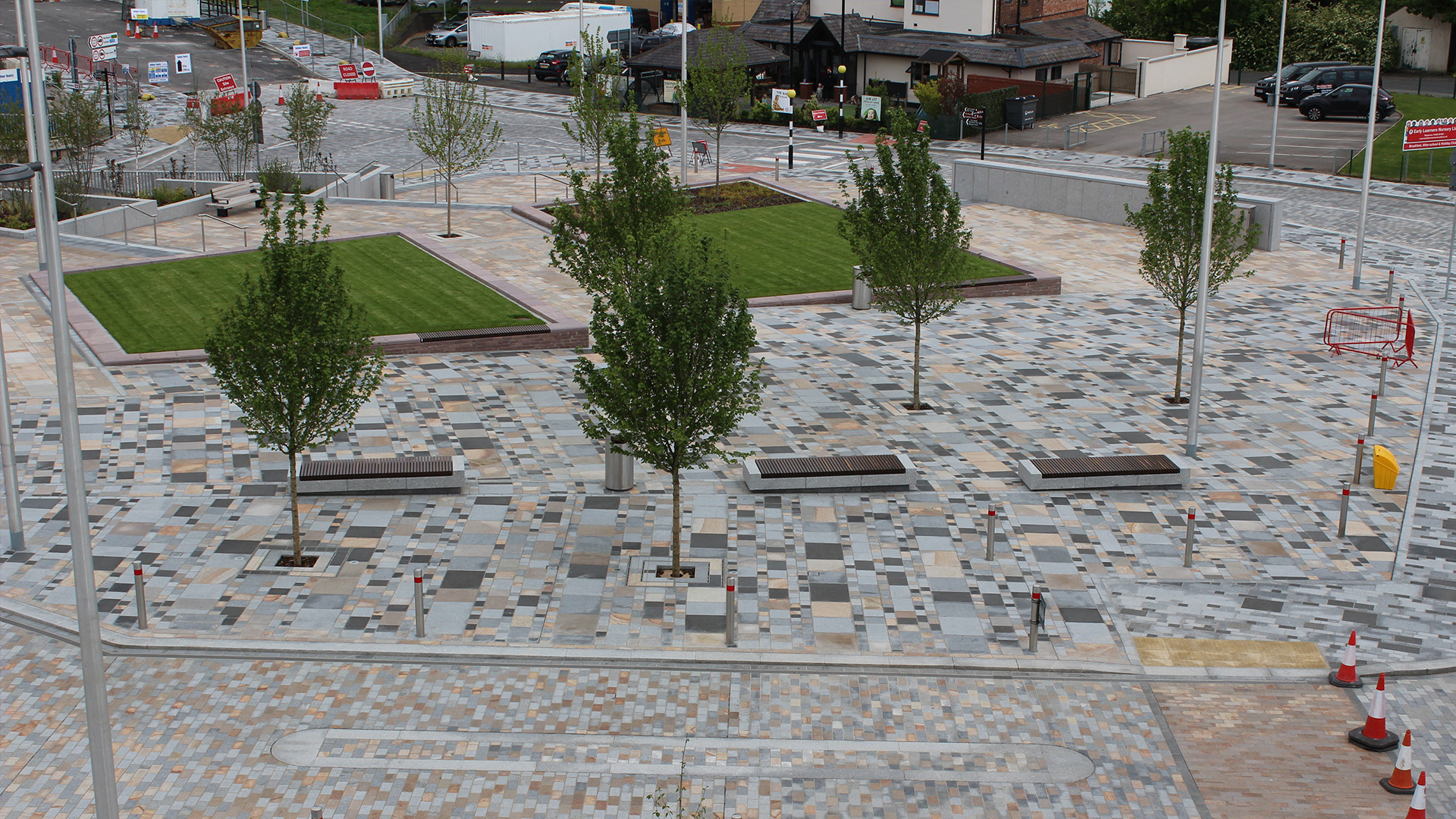
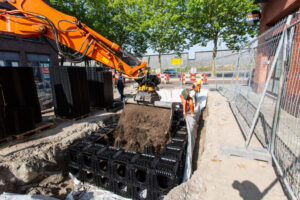
Runcorn Station Approach:– Demonstrates the effectiveness of a collaborative approach involving public and private entities. Working in the initial design phases to map and plan the utilities on site, allowing these utilities to flow seamlessly through the Rootspace soil cell system.
Another significant challenge is determining who will manage and pay for the maintenance of SuDS installations. Adoption by approved bodies, such as local authorities or transportation agencies, is crucial for long-term sustainability. Clear agreements and funding mechanisms must be established to ensure that SuDS are properly maintained and functioned as intended.
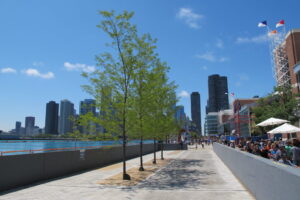
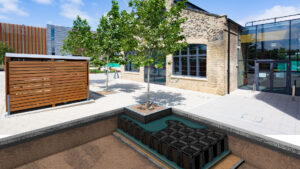
Huddersfield Station Gateway – Recognised the importance of underground space for both the health of the trees and the functionality of urban infrastructure, using RootSpace allowed an underground network of access to the soil will enable the trees to thrive and flourish whilst communicating with each other’s roots.
Effective integration of SuDS into transportation projects requires discussion and collaboration in the early planning and design phases. This involves engaging with local authority departments, private stakeholders, and the community to identify opportunities and address concerns. Local street plans and design guidelines should incorporate SuDS principles to promote consistency and alignment with broader sustainability objectives.
The latest smart technologies offer valuable tools for supporting SuDS integration in transportation projects. These technologies can provide real-time monitoring of weather patterns, data on water quality and quantity, and return on investment (ROI) cases for future use. By harnessing the power of data and analytics, project stakeholders can make informed decisions and optimise SuDS performance over time.
Despite the perceived design and approval challenges, integrating SuDS into transportation projects offers numerous benefits. Beyond mitigating flooding and pollution, SuDS can enhance the street environment, promote biodiversity, regulate temperatures, and improve air quality. By addressing these challenges head-on and embracing innovative solutions, transportation projects can become catalysts for sustainable and resilient communities.