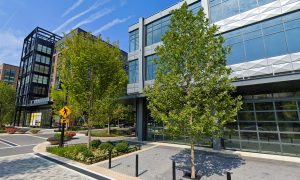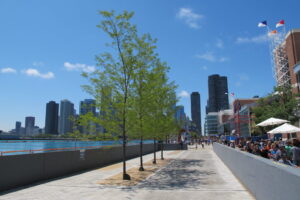
On Tuesday 14th June, two representatives from the GreenBlue Urban team were privileged to take part in the ‘Tour of Important Trees on the Parliamentary Estate’. Meeting at Westminster Hall, leading experts from the Arboricultural industry, including Jago Keen and Karen Martin from the Arboricultural Association, Kenton Rogers of Treeconomics, Ian Barrow from Bartlett Trees and our very own Howard Gray, guided the diverse group of Lords and MPs in attendance around the estate providing key insight into the challenges and opportunities facing the industry. The balance of outdoor and indoor tree planting examples on the estate constituted an important springboard for fruitful discussion. It was agreed that even in the most seemingly adverse conditions trees can not only exist, but they can flourish and benefit users of both indoor and outdoor spaces.
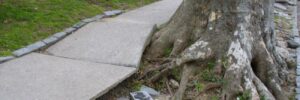
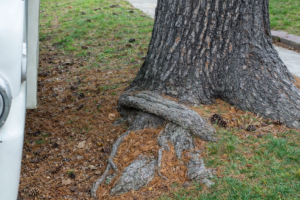
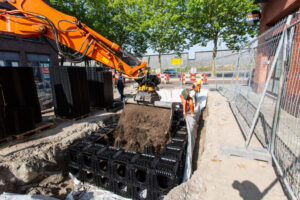
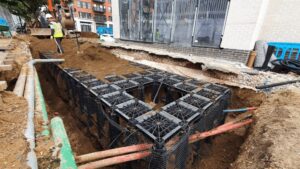
Howard Gray began by dispelling a number of the myths surrounding the amount of space that tree root systems require. He spoke about the importance of adequate aeration and irrigation to ensure long-term tree survival. Howard’s passionate and engaging presentation highlighted the common obstacles our urban trees face when being planted into hostile environments. The audience agreed that substandard tree pits in our cities would result in a detrimental impact to both the aesthetics and air quality of our cities.
Kenton Rogers shared with the group the innovative methods he had employed to value a number of the trees on the parliamentary estate. After the launch of the i-tree London report it was exciting and invigorating to consider the possibilities of more towns and cities across the UK taking the initiative to value trees by analyzing the amount of money they save through pollution reduction, mitigating the urban heat island effect and the plethora of other benefits they deliver to our citizens. Kenton Rogers from Treeconomics and Charlotte Markey from GreenBlue Urban explained that using the itree method and developing an ‘urban forest’ or ‘urban arboretum’ approach in smaller towns and cities can have a transformative effect on both residents and visitors. Sidmouth in East Devon is a shining example of how the itree method has acted as a catalyst and resulted in the whole town becoming an Arboretum with tree trails that can be followed. Doctors in the local area can also prescribe walking routes through the arboretum – a ‘green prescription’ to alleviate a number of physical and mental health troubles.
Jago, Karen and Ian spoke more broadly about the Arboricultural industry, specifically about issues relating to industry apprenticeships, their importance of working with schools and colleges to encourage more women to consider Arboriculture as a profession.
The event ended with a poignant appeal from Karen Martin, the outgoing Arboricultural Association CEO who appealed to the audience that the voice of the industry needed strengthening by supporters from both the Commons and the Lords to ensure the long-term viability of UK arboriculture. The importance of bio security, the economic benefits of UK Arboricultural expertise abroad and the number of jobs dependent on Arboriculture and related sectors certainly justified this appeal. These sentiments were echoed by Charlotte who explained that the Arboricultural industry needs to work harder to incentivize those from the Construction industry, and particularly the major UK house builders, to enshrine the importance of integrated green and blue infrastructure into every new development. As Karen intimated, oftentimes ‘Arb’ experts are not considered a ‘must have’ in the process of designing and implementing new schemes and this is something that has to change.