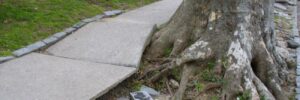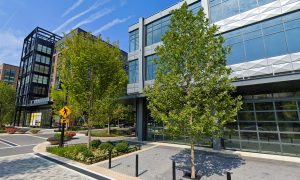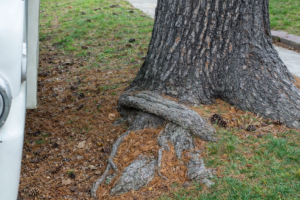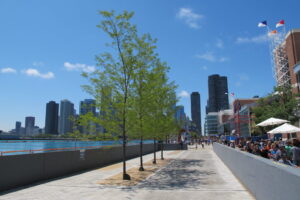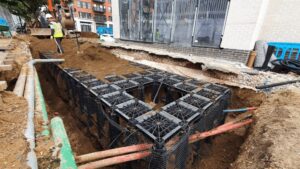
One of the primary risks of applying value engineering to landscape elements is that it overlooks the long-term implications.
Not all landscape products are created equal. Cheaper materials may initially save on budget, but they often come with hidden costs in maintenance, durability, and user satisfaction. Inferior plant choices, low-quality paving, and insufficient drainage solutions can lead to problems that require costly fixes down the line.
One critical yet often overlooked aspect is the management of urban trees, which play a crucial role in enhancing urban spaces’ aesthetic and environmental quality. Poor soil management or insufficient space for root growth can stifle trees’ growth, leading to premature tree failure and expensive replanting efforts. This is where solutions like RootSpace come into play.
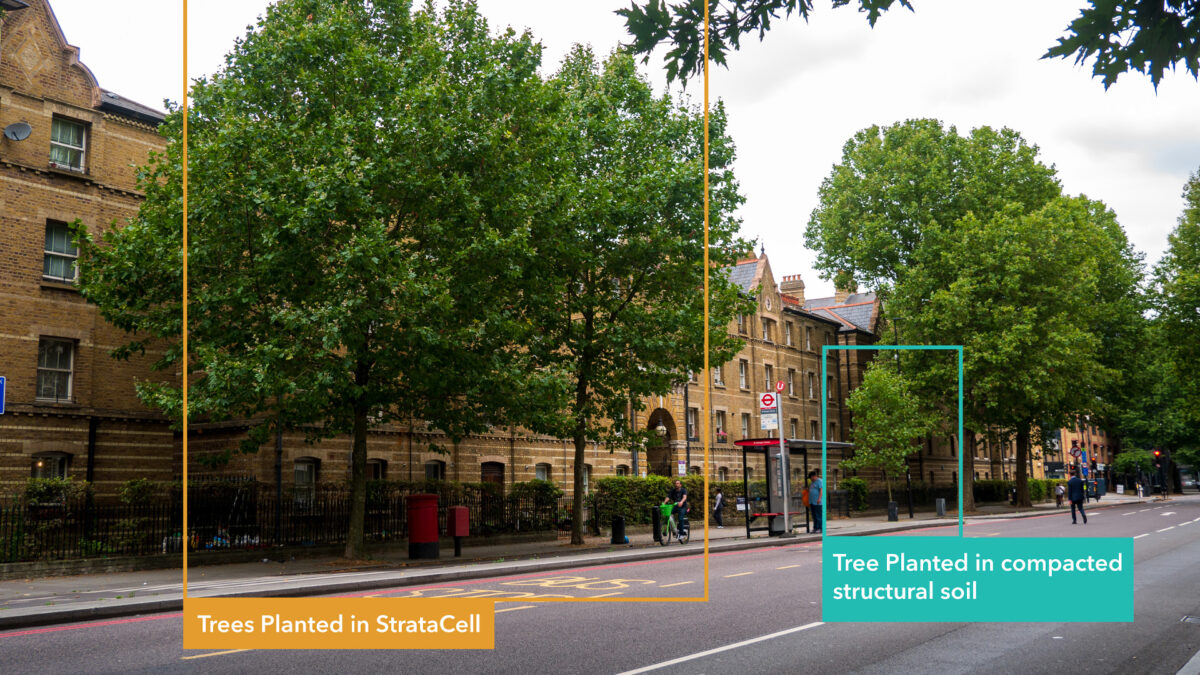
RootSpace: A Game-Changer for Urban Tree Longevity
Urban trees offer numerous benefits, from improving air quality and reducing the urban heat island effect to enhancing the overall well-being of city dwellers. However, ensuring trees thrive in often harsh urban environments requires more than simply planting them—thoughtful infrastructure supporting their long-term health.
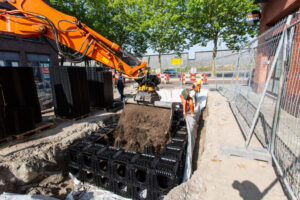
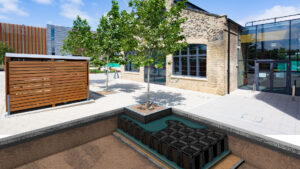
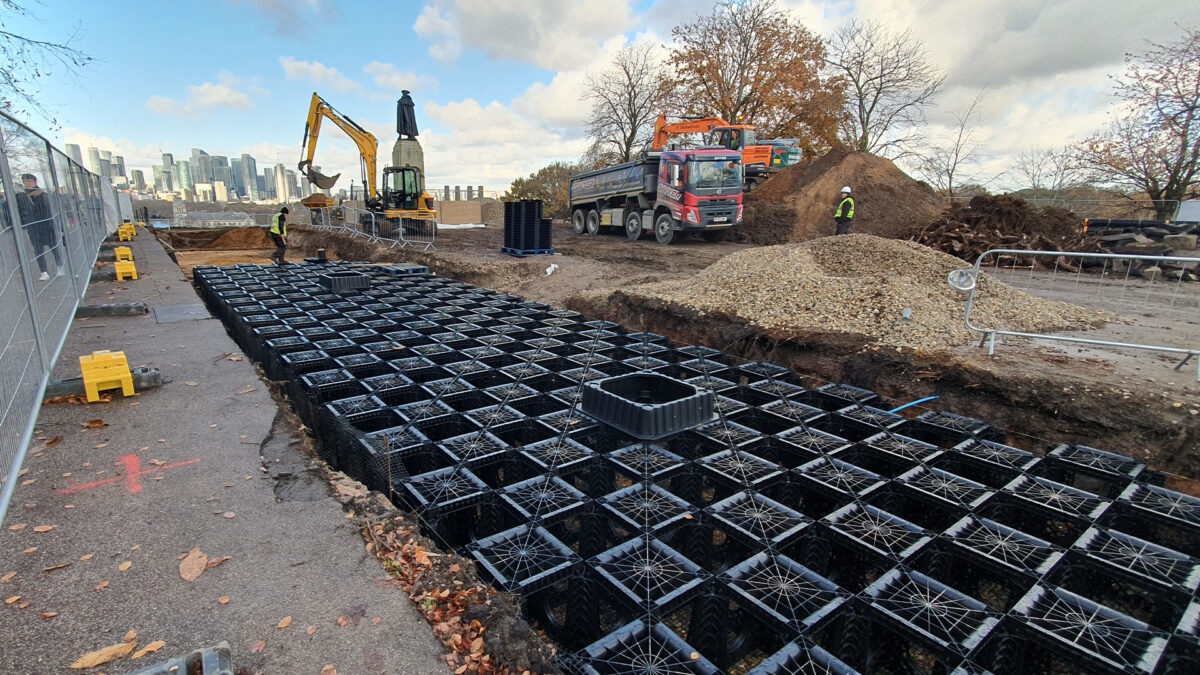
RootSpace, a soil cell system designed to support healthy root growth, is a perfect example of how investing in quality landscape infrastructure can pay dividends in the long run.
The system provides uncompacted soil volume beneath paved areas, allowing trees the space they need to develop robust root systems. This promotes tree longevity and minimises damage to surrounding infrastructure, such as pavements and roads, that can occur when roots are forced to grow in constrained spaces.
By incorporating RootSpace into urban developments, main contractors and quantity surveyors can ensure trees have the best chance of survival and growth. Healthy, mature trees enhance the beauty of development and provide a wide range of benefits, including improved air quality, reduced stormwater runoff, and increased property values. These benefits extend beyond the immediate project and contribute to urban environments’ long-term health and sustainability.
The Importance of Longevity and Durability
Regarding landscape design, longevity and durability should be at the forefront of decision-making. A landscape that is built to last adds significant value to a development. High-quality materials and thoughtful design can reduce long-term maintenance costs and create a visually appealing environment that stands the test of time. While value engineering has its place in construction, it should not be applied indiscriminately, especially in landscape design. Cutting corners on landscape elements can lead to higher costs later, negatively impact users’ health and wellness, and harm the reputation of everyone involved in the project.
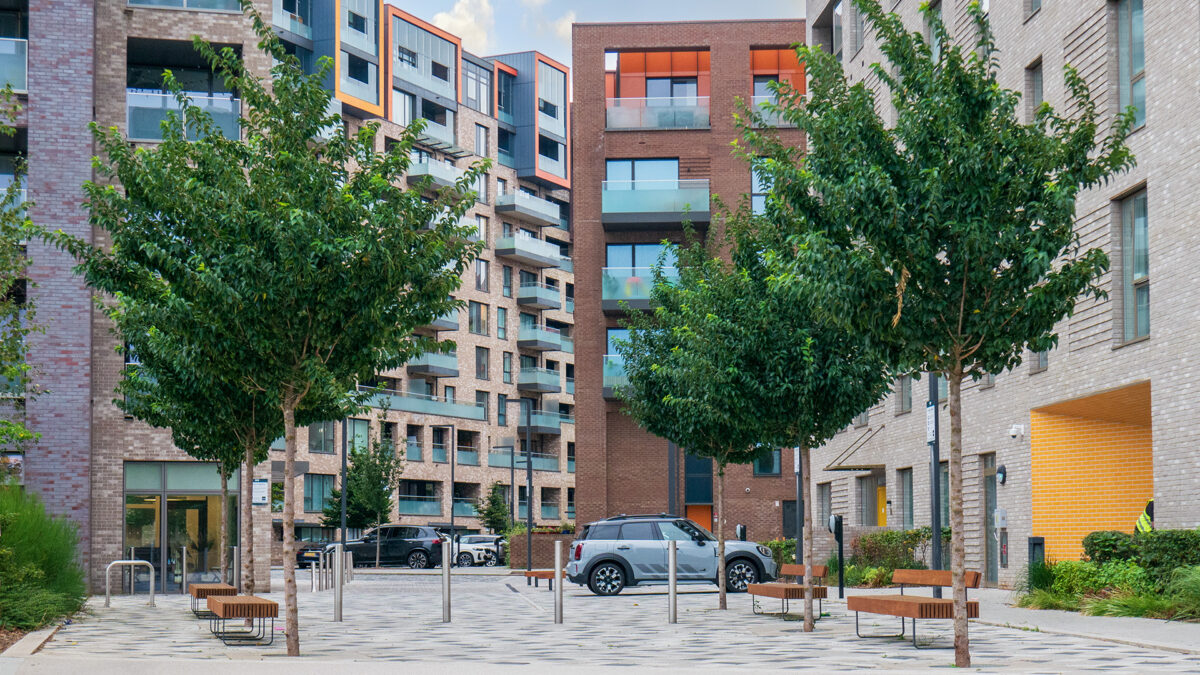
To ensure cost-effective and high-quality landscape projects, quantity surveyors should focus on critical aspects of tree pit assessment that promote urban trees’ long-term health and success. A further blog highlights three essential considerations for evaluating tree pits without compromising quality.