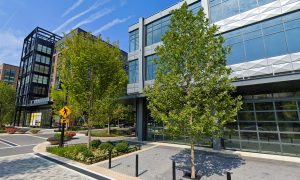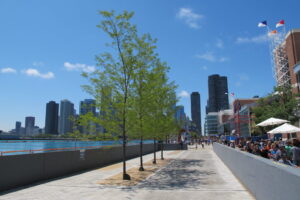
Over the past 30 years, urban tree mortality levels have fallen dramatically, and GreenBlue Urban is proud to have been involved in this transformation. But the levels are still too high – in some places almost half the trees planted in hard surfaces fail to reach their first birthday, and far too many do not survive ten years in the streetscape.
So why is it so difficult to get healthy trees established in our towns and cities? The main reason is that the conditions in our urban areas, and particularly below our hard surfacing, is not conducive to tree growth. To get a good healthy tree, you need to provide six things:
1. Good tree stock
2. Decent volume of uncompacted healthy soil
3. Water
4. Air
5. Support
6. Protection
If we can achieve all of these, then it is extremely likely that the tree will flourish, and a healthy tree is a tree that needs minimal maintenance.
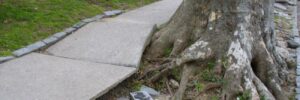
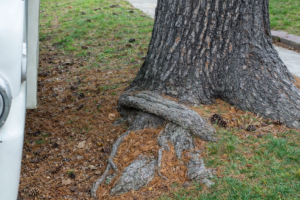
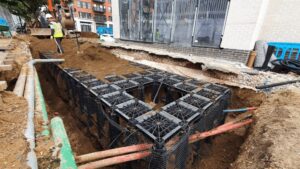
However, when we look at our congested urban locations, where tree planting is most valuable, it is often difficult to provide the necessary soil, air, and water. Below our hard paving, the ground is heavily compacted, often waterlogged, and full of utilities competing for space, and tree roots cannot grow into compacted soil. Often the soil is degraded as well, as our urban soils have been damaged by development for many years.
GreenBlue Urban have always believed that to get a forest plant established, we need to recreate the forest floor conditions that the tree would grow best in. We need to provide the six fundamentals as above, manage the roots away from sensitive utilities and surfaces. And, if we make sure that the tree is suitably maintained, watering regularly for the first three years, the tree will quickly establish and grow strongly.
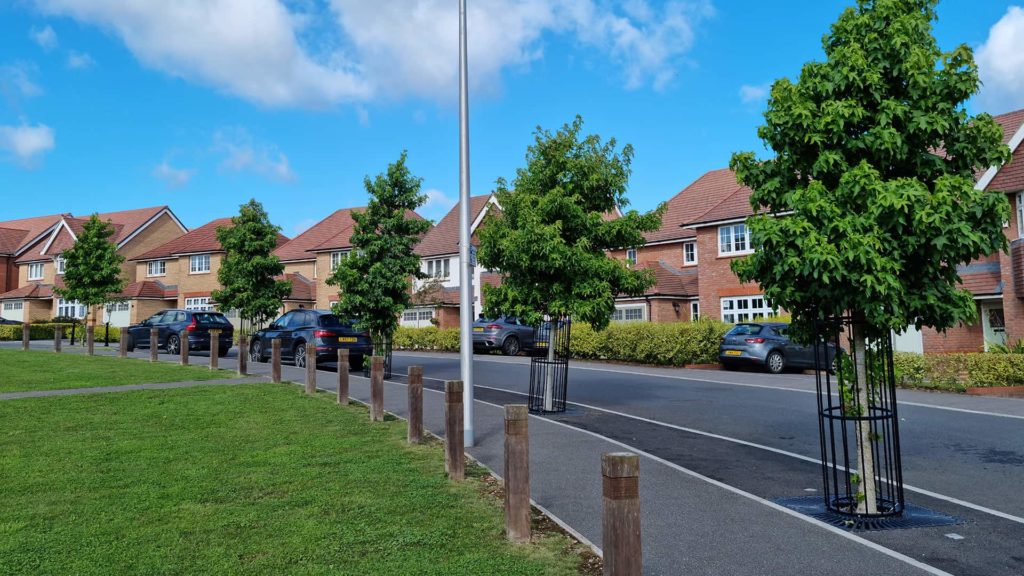
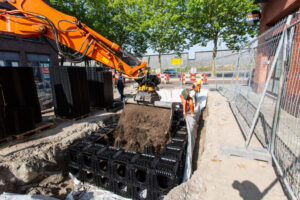
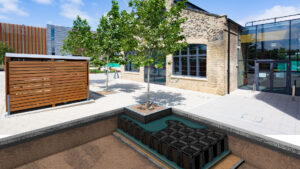
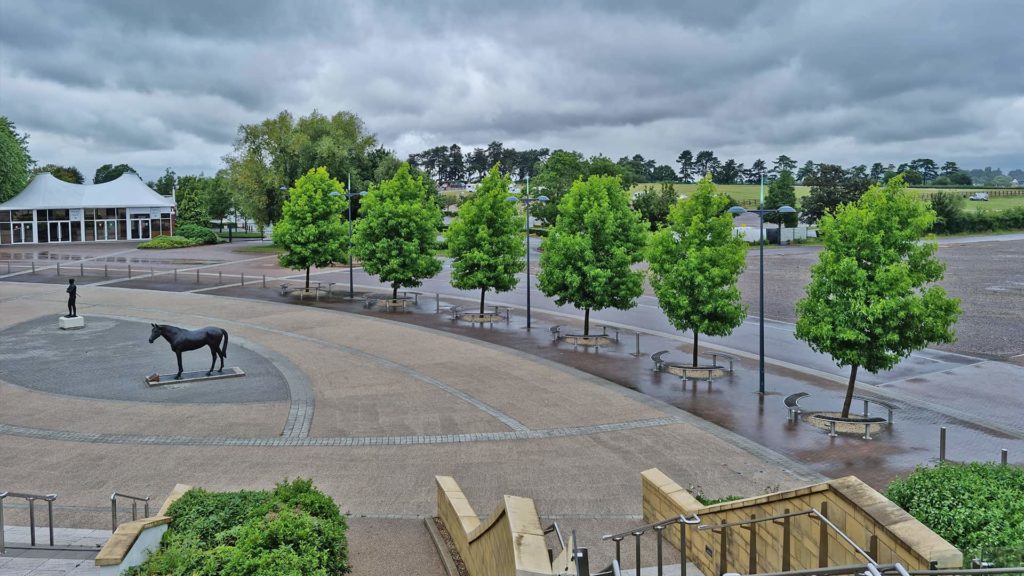
For the past 20 years, GreenBlue Urban has proven that by using the ArborSystem suite of urban tree planting products gives urban trees the very best chance of thriving. Using RootSpace soil cells to look after the soil, ReRoot and Root Director root management solutions, ArborGuy underground anchoring, RootRain irrigation and aeration systems, and tree grates and guards from the massive range available means that the tree planting is almost guaranteed to be a success.
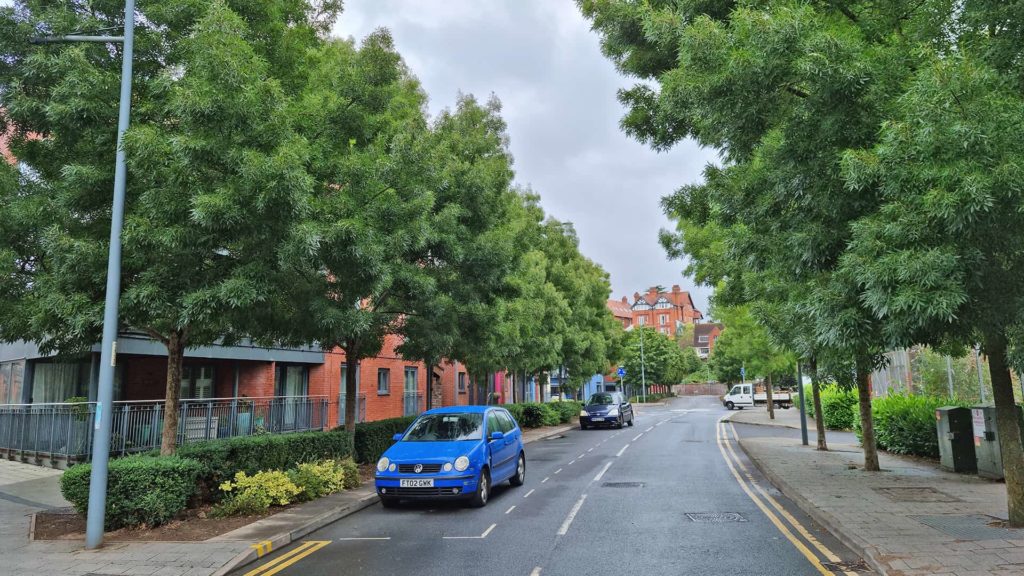
If we are to increase our canopy cover in our urban areas and to meet climate change targets, then we must improve our planting methods. Every tree counts – and every tree is needed if we are to deliver a sustainable world for future generations. Contact us today to explore the options available to guarantee a greener world, or visit our website at www.greenblue.com/ce/