When designing a new development proposal, how many times have you received pushback with regard to how much green infrastructure is on your plans? Too little? Too much?
No matter how big or small, and no matter what the current state of the plot is, we must demonstrate a measurable increase in the biodiversity fostered on our sites, enforced by the 2021 Environment Act.
The 2021 Environment Act introduced an automatic new condition to every planning application granted: Biodiversity Net Gain (BNG) of 10%. This means that, before any development begins, applicants need to measure the existing and proposed biodiversity values within their scheme, setting a clear planning procedure approved by their local authority. Each local authority will have its own strategic plan, such as this ‘Greener Places’ document created by South Gloucestershire Council. There are many reasons behind the green infrastructure push, the most obvious being the looming threat of climate change, ever more so prominent, following the COP26 in Glasgow last year.
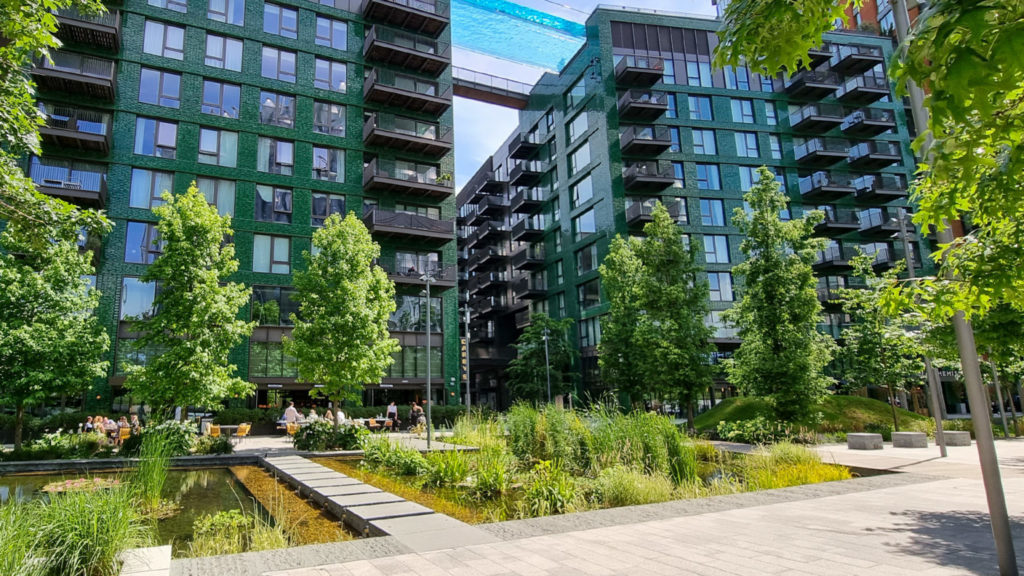
The Biodiversity Metric 3.1 created by Natural England can be used or specified on any development project, calculating the biodiversity losses and gains for occupants and users. The Biodiversity Metric 3.1 has been extensively tested and is set to be used to underpin future mandatory biodiversity net gain as set out in the Environment Act 2021. Natural England has also produced the Green Infrastructure Framework which is a commitment to the Government’s 25-year environment plan, helping local authorities, developers and communities create better places to live, work and play by connecting towns and cities with the surrounding landscapes.
GreenBlue Urban has been forthcoming in collaborating on research documents, following their 30year experience within the landscape industry. Supporting key publications as follows:
LTOA document ‘Investing in green infrastruture’. A vital research piece in assessing planning steps for Green Infrastructure, specifically in the London area.
TCPA document, Planning for Green and Prosperous Places. In collaboration with GreenBlue and PERFECT Interegg Project, this document details the role of planning, and why we should invest in Green infrastructure detailing policy in England.
We were very lucky to have the TCPA speak at our Resources for Resilience webinar earlier this year and will also be supporting their “New Era for Green Infrastructure” webinar on 29th November – Register here!
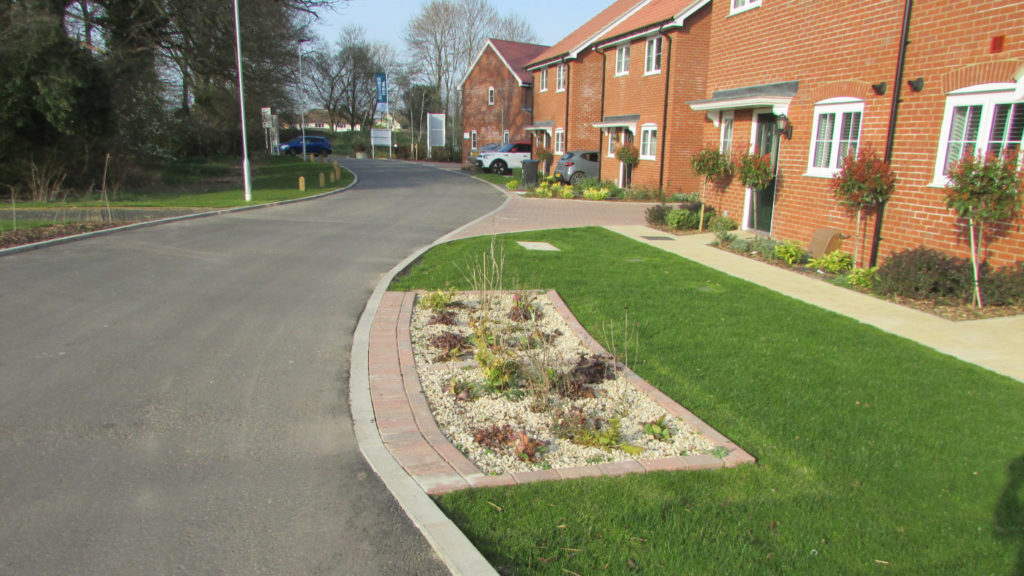
Following the Sustainable Development Goals (SDGs) or Global Goals as a collective 17, GreenBlue is keen to spread the message of increasing green infrastructure into our developments in the early masterplan process, highlighting Goal 15 ‘Life on Land’, aiming to secure a sustainable life for generations to come.
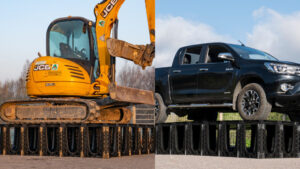
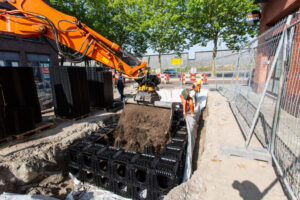
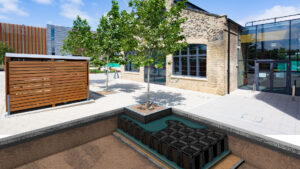
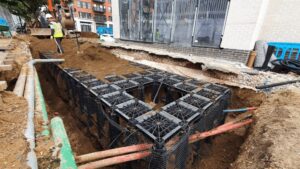
Urban trees not only provide green infrastructure for our developments but also form part of a circular economy – but to maximise the benefits, these need to be properly planted, and grow to maturity. Whether it is providing soil support by using RootSpace soil cells, guiding tree roots with products from the ReRoot root management range, bringing air and water to the rooting zone with RootRain irrigation and aeration solutions or physically protecting the tree from above-ground damage with tree grilles and guards. All products are manufactured using 100% recycled material and are recyclable up to 5 times once they have finished their life.
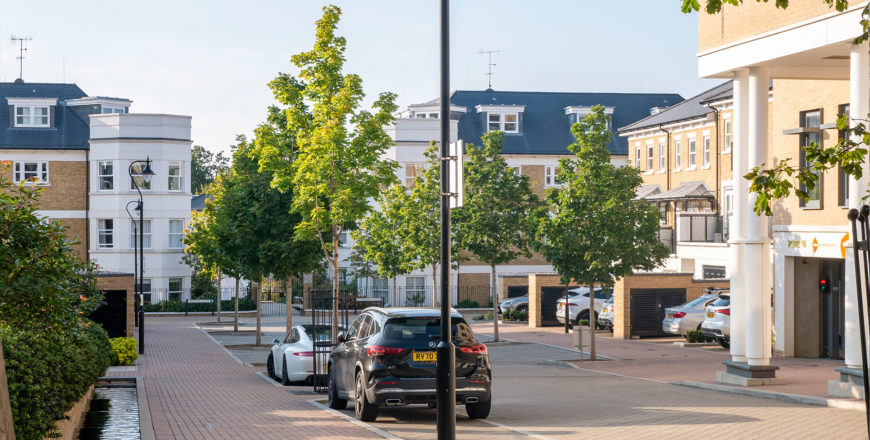
GreenBlue Urban’s philosophy is to bring environmental benefits to communities around the world with the least possible carbon footprint meeting the GI targets set by governing bodies with ease using our systems. To understand more on how to implement successful long-term green infrastructure in your development.