You can imagine our delight when the Government finally announced that it will be mandatory to include Sustainable Drainage Systems (SuDS) in virtually all new housing developments from 2024.
The Flood and Water Management Act was brought into law in 2010 but the Government decided not to implement its Schedule 3 which would have made SuDS compulsory for new developments.
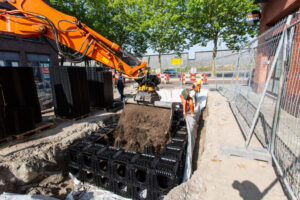
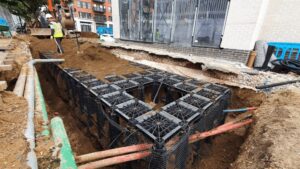
Underground methods have been compulsory since 2011, on schemes consisting of 10 homes or more, however, such attenuation tanks are perceived as costly, take up far too much valuable space and are often difficult to maintain. Whilst introducing SuDs to developers gently, it is widely considered not to have worked; many developments have poor sustainable drainage solutions which can even be detrimental to the value of the properties. The new legislation will help improve the delivery of these essential features, to all benefit.
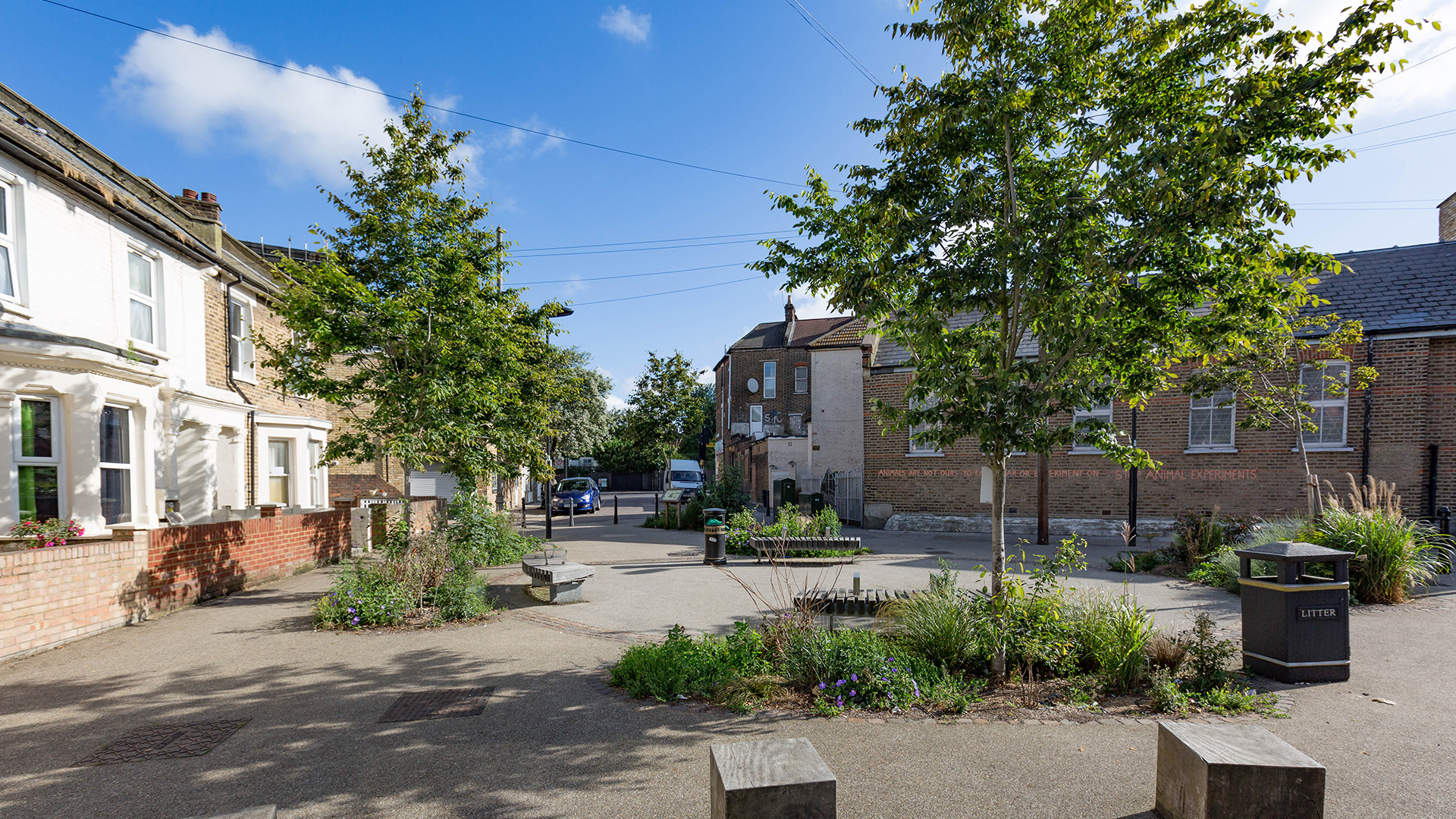
Time to Make a Change
Flood events in our towns and cities are making the headlines far too frequently. Climate change is recognised as intensifying flood risk and requires national governments and local authorities to develop management strategies.
Surface water flooding is the greatest risk with 2.8m properties at risk
Unprecedented coverage of sewage pollution in rivers and coastal waters has become a repeated issue in recent years – with constant we are changing declarations from the water companies, what more can be done to transfer our stormwater away from our public /combined sewer networks?
What is SuDS?
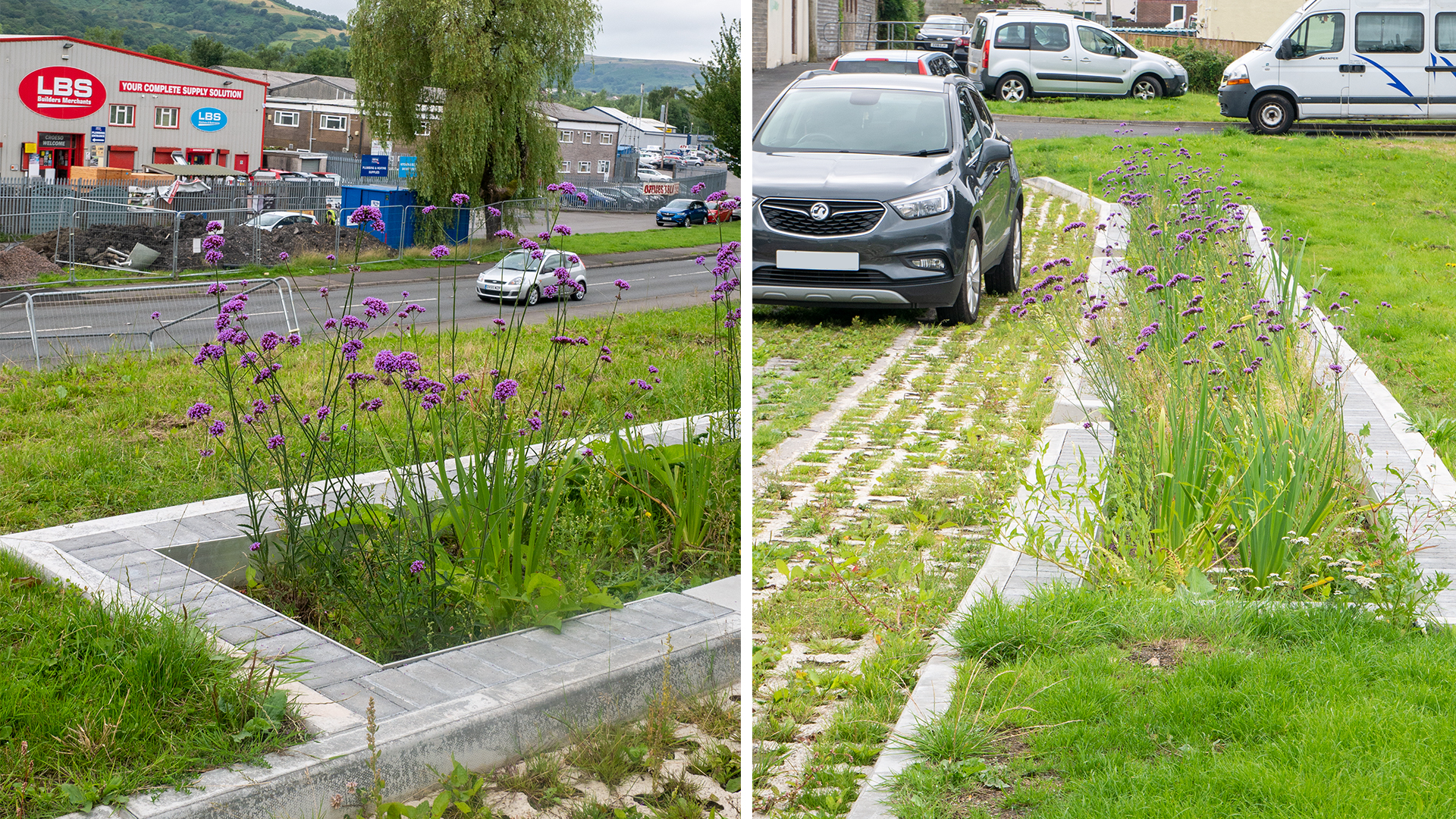
Sustainable Urban Drainage Systems – sometimes described as blue infrastructure, or in this case, blue-green infrastructure, meaning natural features being designed and installed as solutions to aid drainage problems. They can temporarily store excess rainwater and release it slowly, preventing an overwhelming burden on drainage systems during heavy rainfalls.
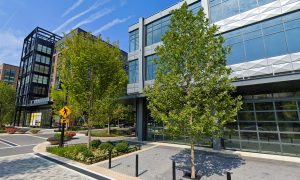
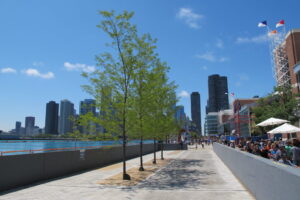
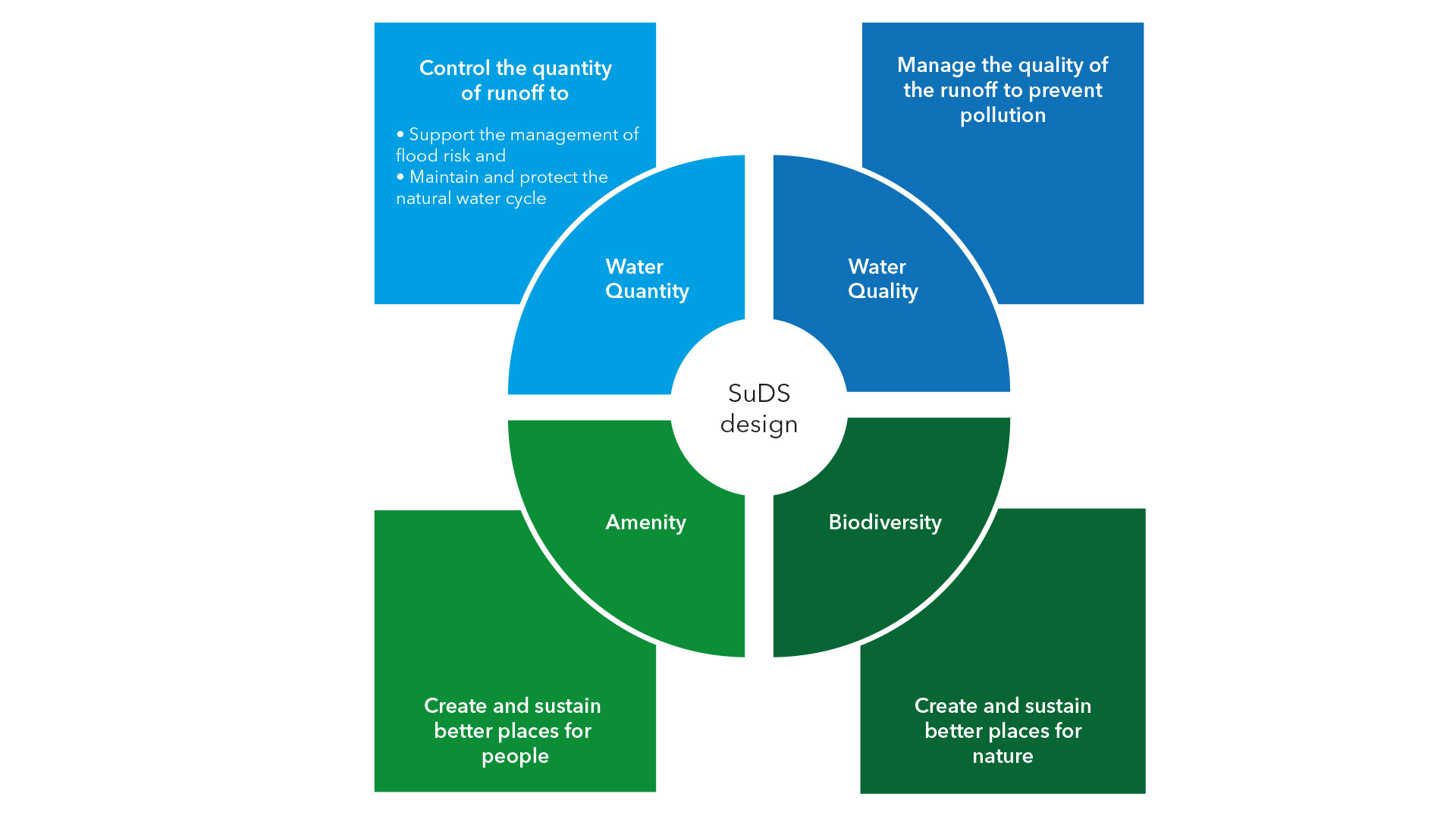
Effectively controlling stormwater/surface water runoff, natural features such as rain gardens, street trees, blue-green roofs, ponds, and swales, can exclusively or combined with engineered systems, (permeable paving), provide an array of benefits as highlighted by the 4 pillars of SUDS.
According to the most recent CCRA report, an estimated 1.8 million people are living in areas of the UK that are at significant risk of coastal, surface or river flooding.
By implementing SuDS, communities can achieve flood resilience, and improved water quality, by the removal of pollutants and other contaminants. Increased biodiversity conservation, enhanced aesthetics, and liveability of our neighbourhoods for improved health and well-being. Along with improved air quality, again absorbing pollutants, releasing oxygen, and reducing the heat island effect in urban areas.
SuDS can provide cost savings compared to traditional drainage systems, by reducing the strain on existing infrastructure and offering long-term economic benefits.
Having previously highlighted SuDS in Schools is now a common theme as features can create opportunities for learning about water management, ecology, and sustainability, as well as providing fun places to be.
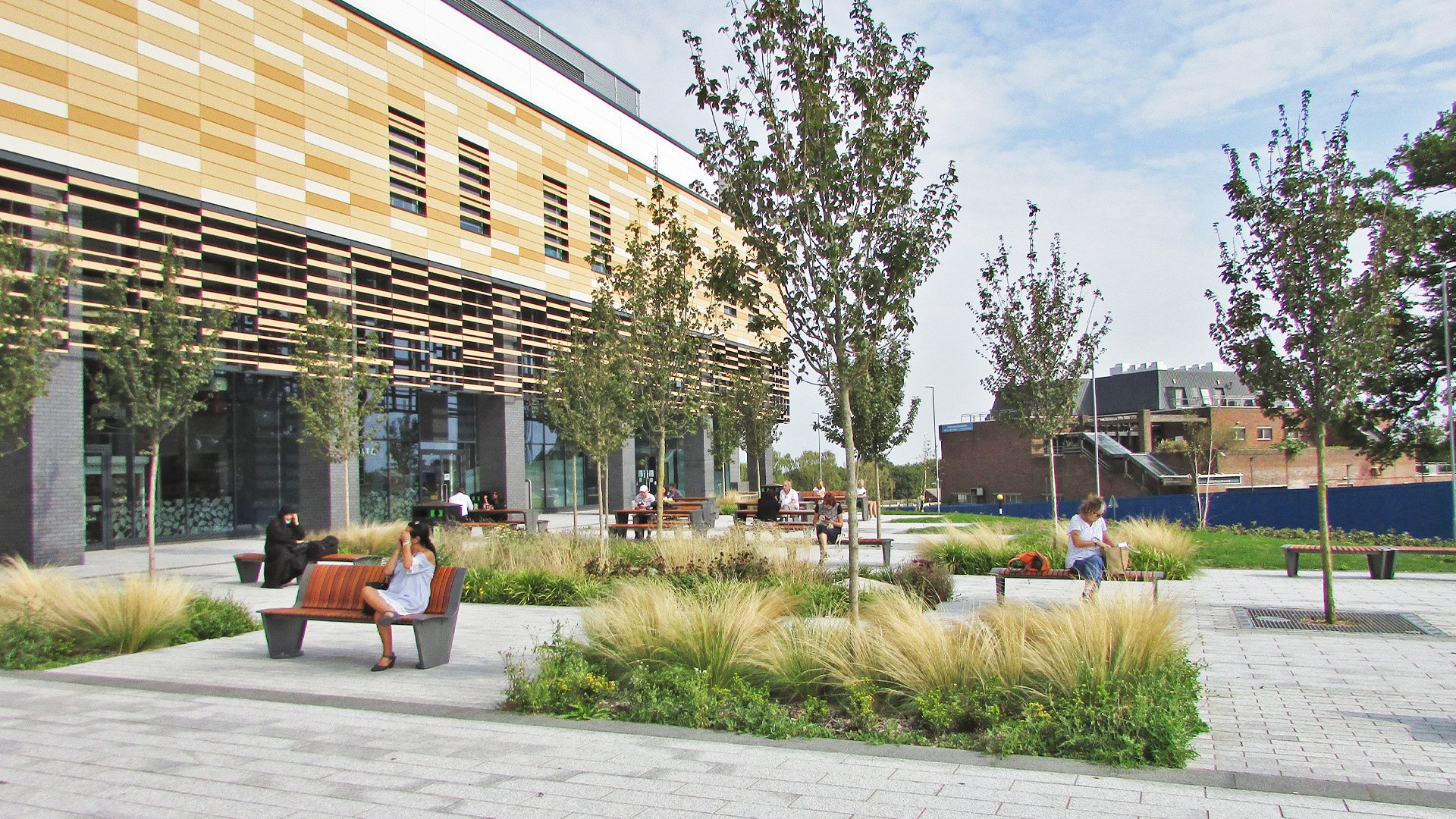
GreenBlue Urban has long advocated the early intervention of landscape professionals in the design process: Schedule 3 will further enhance their status as vital designers of critical infrastructure.
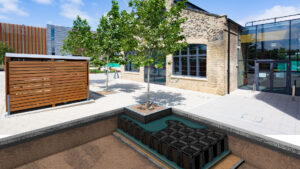
With many case studies blue-green case studies, featuring rain gardens and tree pits, in schools, hospitals, retrofit on our highways, residential, new housing and commercial developments, GreenBlue Urban continues to innovate and manufacture solutions including the ArborFlow SuDS-enabled tree pit. And the HydroPlanter rain garden, offers a range of adaptable solutions that makes implementation simpler and cheaper, creating healthy urban spaces in harmony with nature.
Discover more with a collaborative research Whitepaper as recently published by Architects Datafile.