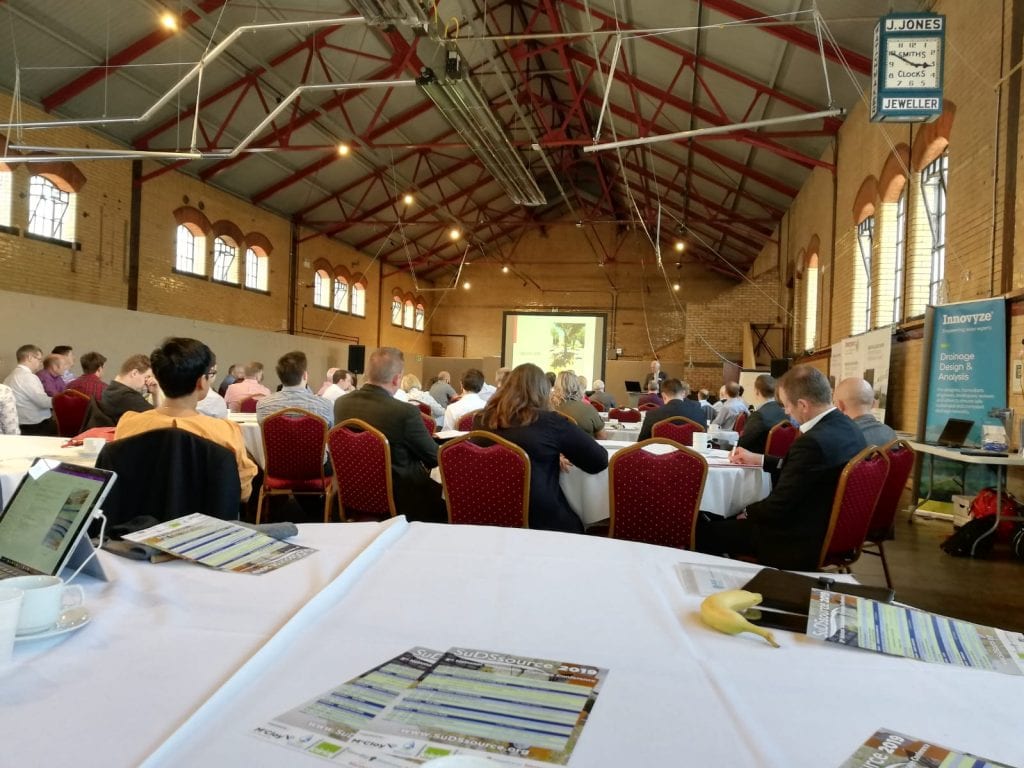
It was a pleasure to meet fellow members of the SuDs community to explore the progress we have made collectively across the UK in the design, valuation, monitoring and policy aspects of SUDs.
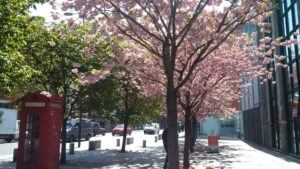
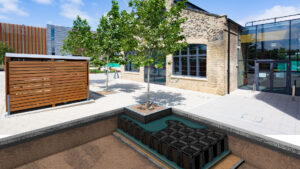
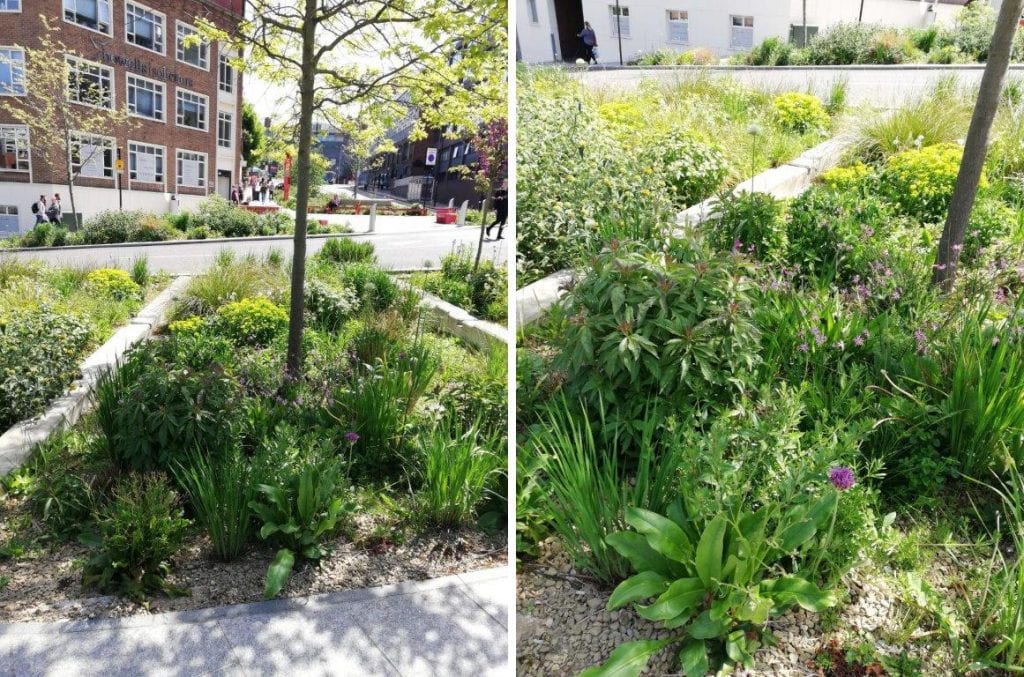
The SuDS Source Conference was introduced and organised by Bob Bray Associates and McCloy Consulting the day brought together practitioners from across the UK and supplemented by a wonderful site visit to the Grey to Green Sheffield scheme. After a turbulent period of a loss of street trees across the city, this positive and highly aesthetic scheme delivered by Zac Tudor from Sheffield City Council, shows the transformative power of sustainable urban drainage and its inextricable connection to placemaking.
Phil Chatfield, retired from the Welsh Government, one of the key minds behind the adoption in Wales of Schedule 3 of the Flood and Water Management Act was circumspect and asked the audience to truly consider what there is left still to do to ensure that the policies and the technical expertise are in place to design and implement the highest quality developments that end users truly want to inhabit.
GreenBlue will be delivering SUDs training for SABS and a UK Roadshow programme – See below for details.
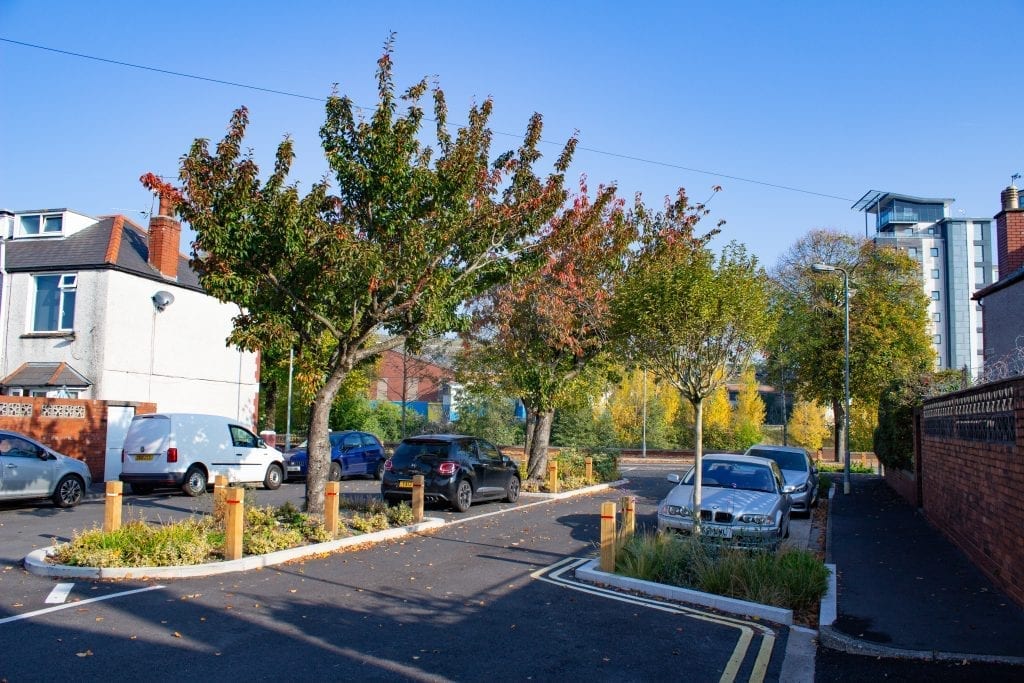
Phil’s overview of Wales was nicely supplemented by the talk provided by Clive Moon from West Glamorgan and it shows that whatever size of scale of schemes being delivered across local authorities, the cumulative impact of letting poor quality SUDs slip through the net can affect all types of area.
Hilary Ellis, Cambridgeshire County Council, provided a fascinating insight into the slow changes she has observed in terms of quality of SUDs designs in planning applications she enthuses that;
all policies have to be robustly promoted and communicated to ensure that developers and consultancies know what to deliver and the standards expected.
This was also supported by the evidence Illman Young provided regarding their research into LFFAs and the disparity on policies when it comes to SUDs and technical standards across the UK.
Nick Bowen gave us an overview of the Scottish context and it was clear that although there is a great deal of political will to deliver SUDs in Scotland and that the connection has been explicitly made between green and blue infrastructure, more work needs to be done in terms of adoptable sewers and highways policies to support this work. We will be working with Nick and the Central Scotland Green Network to showcase the schemes he is directly involved in for Stirling as part of our ongoing SUDs roadshows. This will be in late summer.
Other presentations covered both the amenity and biodiversity value of SUDS as well as volume control. Kevin Barton focusing on urban design and Sarah Boyd who enriched proceeding with her perspective coming from an ecology background.
In conclusion, whilst it is always edifying and stimulating to share ideas and collaborate with other members of the SUDs community we cannot rest on our laurels, there is much work to be done across all areas of policy change, stakeholder engagement and the ways we design and deliver interventions in both retrofit and new build scenarios.
The Yorkshire theme continues with our next Roadshow entitled: Green Street – Making Space for Trees. Taking place at Leeds Beckett Uni on 12th June. This is an exciting collaboration between the private and public sector with speakers from well-known organisations including Balfour Beatty, Atkins Global, Mott Macdonald and both Local Authorities including Highways. Don’t miss this exciting opportunity – click the link today.