In the UK, mainland Europe and beyond, planners and elected representatives all face a common problem – namely, that there is pressure to house and provide essential services and infrastructure to meet the rapidly changing and diversifying needs of our increasingly populated urban environments. When the question of developing greenfield sites is mooted, there is a shared discomfort amongst officers in local authorities across all districts. So how are we to meet the needs of our residents, to help achieve the goal of property ownership?
Brownfield development in the UK has been the subject of lively debate in recent years. What about the value of the land when it is less desirable to develop than greenfield? What can be done to make the sites work for all? In general, former industrial brownfield sites are more accessible than greenfield sites, due to their proximity to urban cores which is a result of past infrastructure development patterns (Green, 2003-2004). These sites are ideal for redevelopment since they are connected to existing infrastructure. This provides the potential for developments that facilitate walking, biking and other types of denser developments closer to centres.
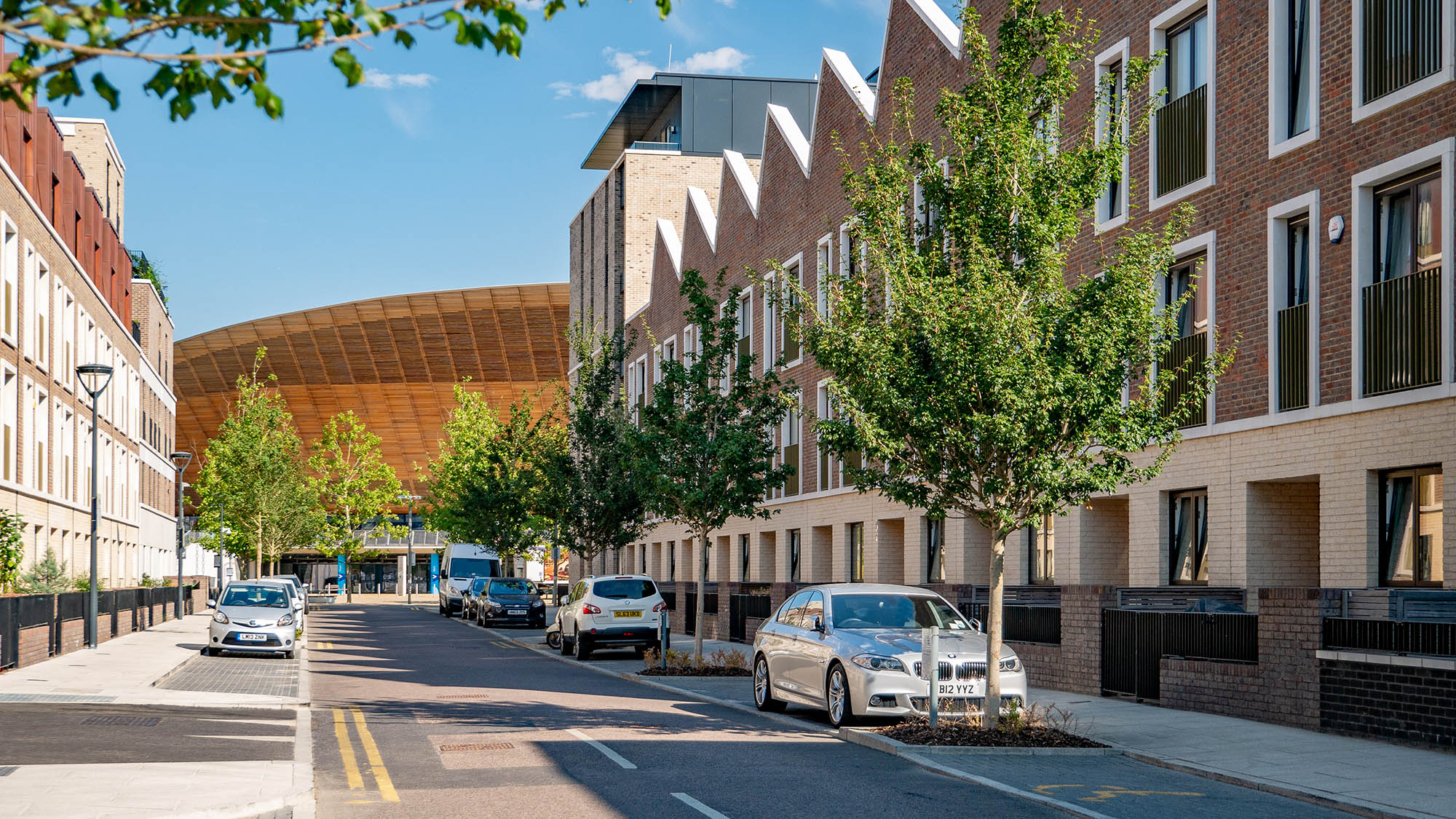
Most importantly, the development of brownfields can result in savings on infrastructure spending on new suburban roads and sewer lines (Davis and Sherman, 2010).
What’s more Carbon sequestration in the soils of the U.K.’s urban brownfields has the potential to meet 10 per cent of the U.K.’s annual CO2 reduction target. Mark Goddard, ecologist – Newcastle University.
So, How do we make the most of the added value of developing these areas and potentially saving our green and pleasant lands? The answer, in part, lies with nature-based solutions, particularly creative SuDs and tree planting. Soil compaction, toxicity and residual obstacles below ground constitute some of the main challenges to regenerating brownfield sites, but at GreenBlue Urban we like a challenge …
Although the time taken for ecosystem services to be delivered at full capacity may be longer on brownfield than greenfield sites, it is undoubtedly the case that integrating trees and SUDs schemes on site will accelerate the process of revitalising and rejuvenating the land and surrounding environment. This will enable Developers to achieve the maximum added value on site, biodiversity benefits, improve air quality and provide aesthetic, green conduits around the development, and from the site to the town centre.
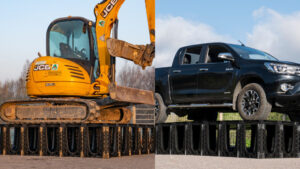
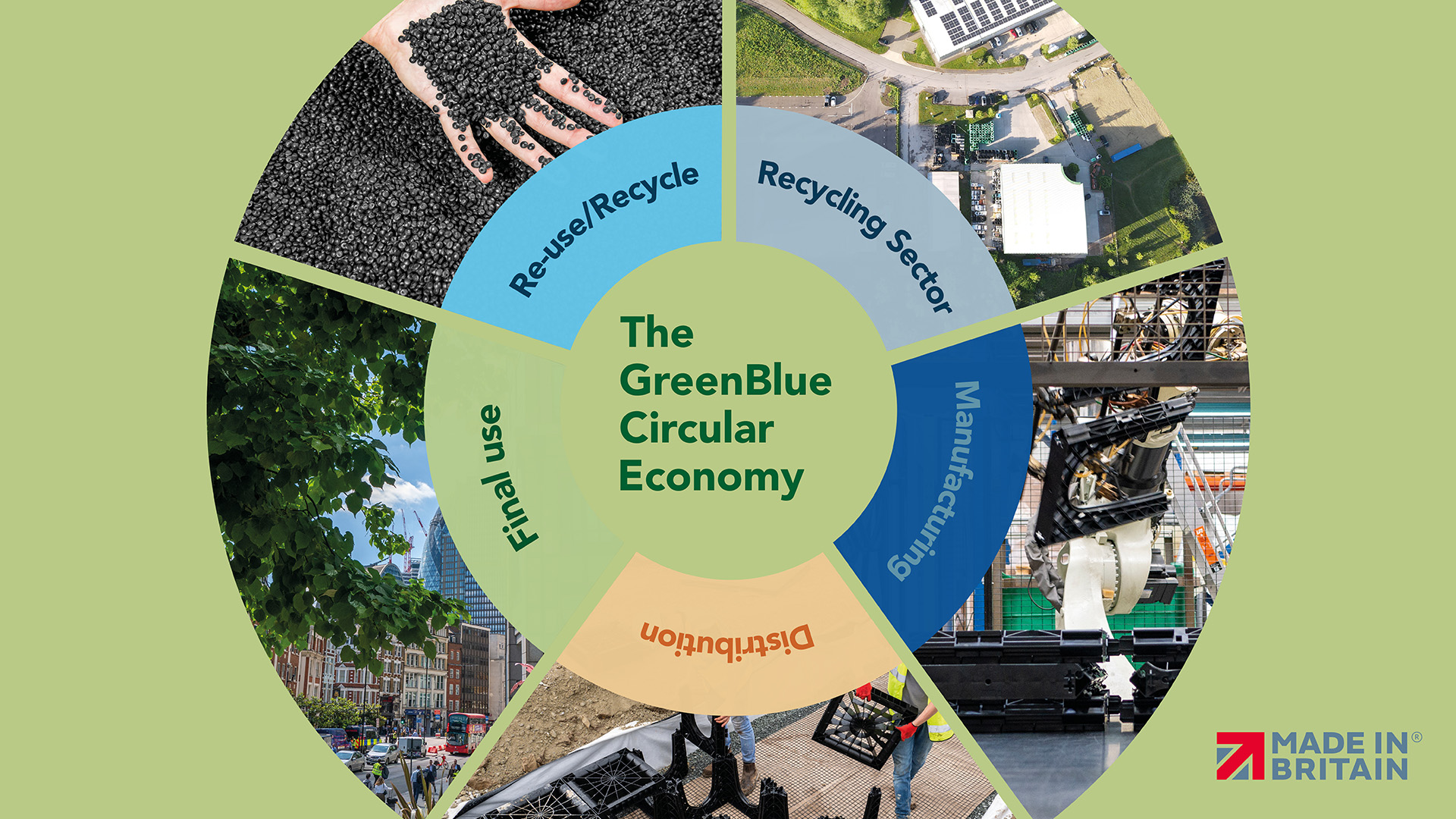
Alongside a Circular Economy approach, developers are integrating new areas of greenspace, using systems such as GreenBlue’s ArborSystem, which further supports the carbon offset by using UK-sourced 100% recycled materials.
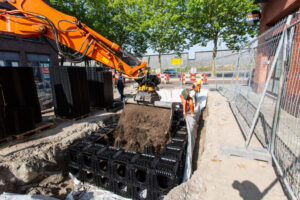
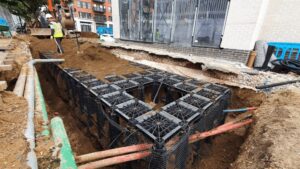
Aware of the complex issues surrounding land ownership and maintenance on brownfield sites the choice of maintenance-free options such as a RootSpace soil support system provides all stakeholders with the assurance that costly remedial works post-development will be unnecessary. The advantage of using modular systems on sites where soil quality is perhaps inadequate and recovering from contamination is that the modular systems can be built up and filled with good quality soil to ensure that integrated mature trees and SuDs systems remain unhampered by such constraints. Cleaning the water on brownfield sites is also of primary concern so using SuDs compatible tree pit designs to provide that added value and water treatment is a cost-effective way to mitigate the effects of previous land use. Using linked tree pits and exploiting the open structure of the RootSpace system will enable easy installation in and around existing underground infrastructure such as utility pipes.
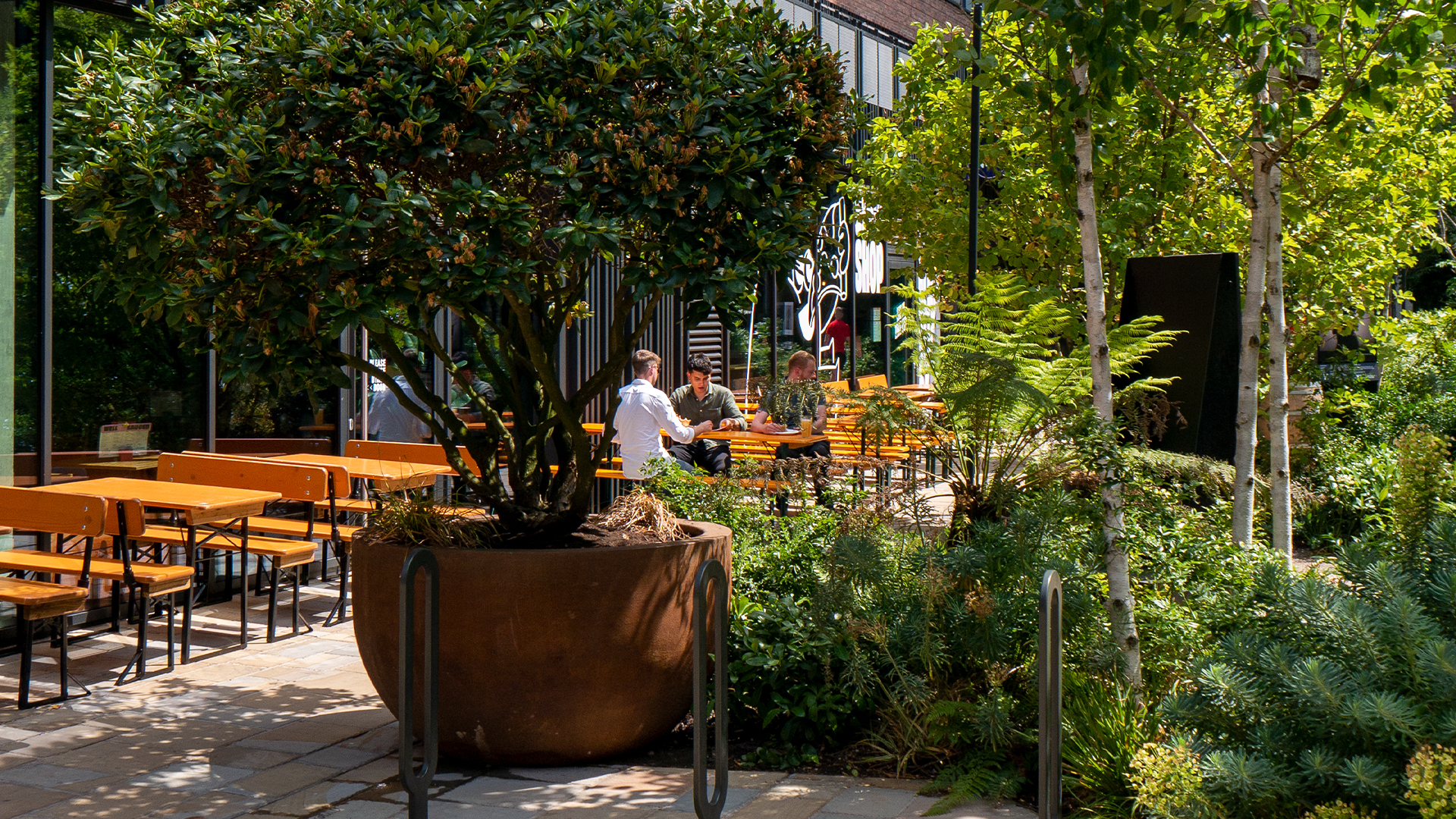
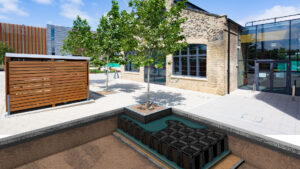
Mature trees and SuDs designs can be integrated into what are termed ‘carbon capture’ gardens, supporting a diverse range of flora and fauna and the example below from Leipzig, shows just how valuable, multifunctional green space can be achieved on brownfield:
Using brownfields to create attractive pop-up parks with mature trees and a simple SUDs scheme can promote social cohesion and connectivity between existing developments.

In conclusion, with a little perseverance and imagination, there is a lot more space to exploit and we can take care of our natural environment whilst realising the potential to create more space to cope with the increased demand for development.