Not inside the hallowed halls of Westminster but in the Victoria Tower gardens on a warm July morning, the Arb Association organised an engagement event for members of the Lords and the Commons.
It was exciting to have a tree climbing demonstration integrated into the proceedings this year with a detailed explanation of all the equipment necessary for the care and management of our trees. We often overlook the sheer level of specialism required to ensure our trees are managed for the benefit of all.
We face some immense challenges to the future of our urban tree population and the topics covered during the mornings proceedings reflected this. Keith Sacre, Chairman of the Arb Association and James Roberts, Biosecurity Officer at Forestry Commission England, highlighted the cost and threats of diseases and emphasized the importance of biosecurity to move further up the political agenda. It was important that Keith reminded all the delegates of the findings of the Otter survey of the capital. The valuation of the existing urban tree stock across the city provided the financial detail that really sharpens the focus and the mind on the fact that trees truly are a public asset.

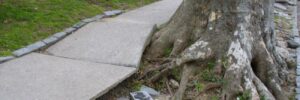
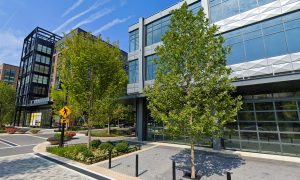
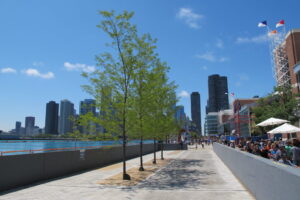
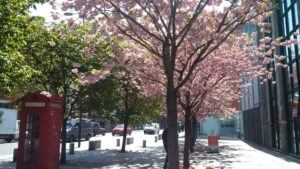
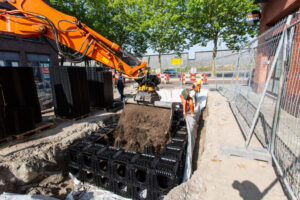
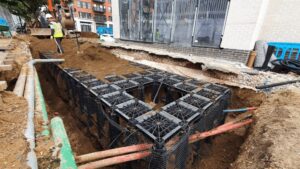
GBU are proud to have assisted with the re-planting of London Planes back in 2000 when the area was re-paved, trees were aided ReRoot 600 and RootRain Precinct for irrigation.
It was within this framework that the current president of the London Tree Officers Association, John Parker, delivered one of the most inspiring and evocative calls for politicians to proactively engage with their local Tree Officers. I couldn’t agree more with John that if we are all determined that trees are a vital public asset then we have to value and recognise the expertise of Tree Officers who are custodians of these precious commodities.

Tree Officers are expected to be practitioners across several fields. Whatever changes occur nationally at a political and economic level, John points out that we have to capitalise on cross border networks to ensure that we all build resilience and exchange best practice across national boundaries. Tree disease and the resourcing of public servants who are tasked with ensuring the longevity and enhancement of tree stock do not recognise borders and if we can make the arguments in Westminster and beyond we can move towards a brighter future for our urban trees. As John pointed out, the ancient Greeks knew that the importance of providing trees for future generations was a mark of civilisation. Never was that a more critical point to look back at and learn.