On 17 January 1839, The Gardeners’ Benevolent Institution was founded at an annual dinner held for ‘nurserymen, florists and amateurs’ at the Crown and Anchor Tavern off the Strand in London. Today, known as Perennial, this charity has provided unwavering support to those working in horticulture for 185 years. As we mark this significant milestone, it is clear that Perennial is more essential than ever, offering a lifeline to those in the horticultural community facing financial and social pressures.
COVID-19 and the economic downturn have only intensified the challenges horticultural workers face. Perennial offers a crucial service, providing free and confidential advice and financial assistance to over 1,600 people annually. In 2022, an industry-wide Mental Health First Aiders network was established in partnership with MHFA England to help create a positive mental health culture across the community – GreenBlue Urban was delighted to support 3 employees completing the course. As a testament to Perennial’s importance, support requests have dramatically increased from 8% to 42% in 2023. This surge underscores the urgent need for Perennial’s services in these trying times.
Insights from the Royal Botanic Kew Gardens Event
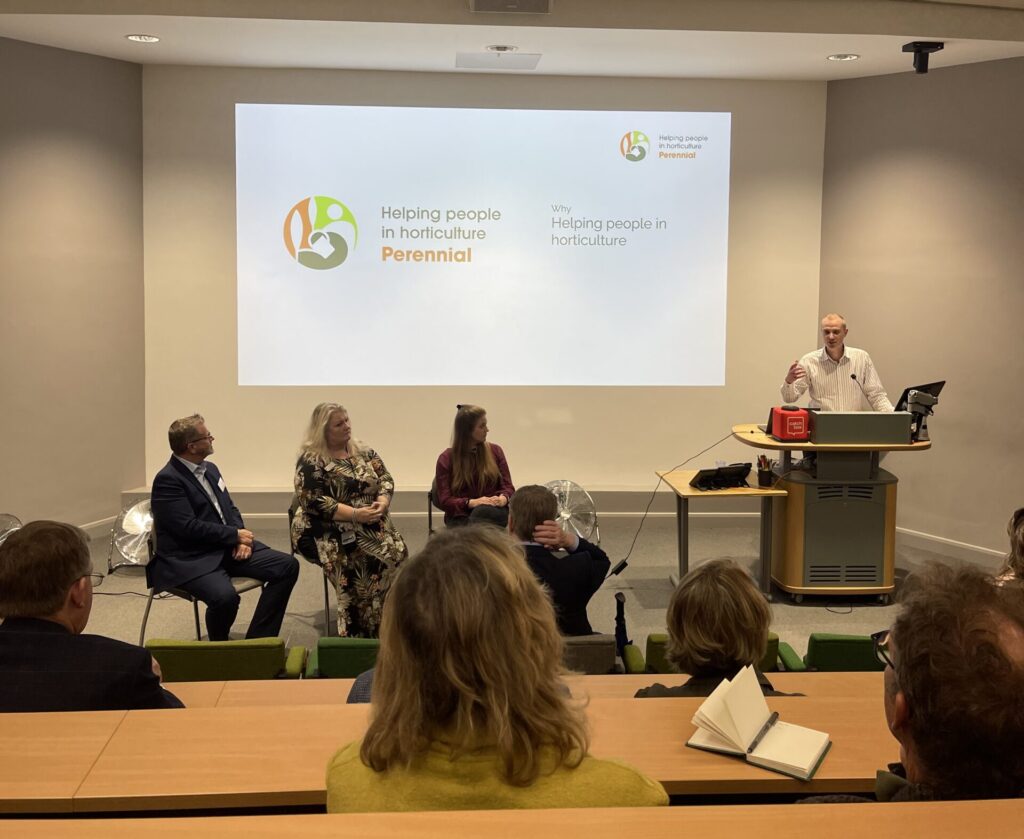
Recently, GreenBlue Urban attended a trade and partner association day at the Royal Botanic Kew Gardens. Perennial’s CEO highlighted the charity’s impressive growth and the increasing demand for its support. The event also featured insights from Perennial’s Marketing Manager, who introduced the 2024 Health and Well-being Survey. This survey aims to delve deeper into the daily lives and pressures those in horticulture face, covering topics such as financial management, health, and career development.
Perennial is committed to understanding and improving the well-being of the horticultural community. The 2024 Health and Well-being Survey is a critical tool in this effort. Participating will help provide a snapshot of the current challenges and contribute to building better futures for everyone in the industry. The survey covers various aspects, including financial health using the Nudge app, overall wellness through a health and well-being app, career opportunities via the Career Hub, and horticulture training programs.

As we celebrate 185 years of Perennial, we invite you to support this invaluable charity. Whether participating in surveys, spreading the word, or donating, your involvement can make a significant difference. Together, we can ensure that those who nurture our gardens and green spaces receive the support they need to thrive.
Visit Perennial’s website for more information about how you can help. Let’s continue honouring and supporting the horticultural community, which plays a vital role in our lives.