There will be a urban tree research conference, taking place on April 2-3 in Birmingham. Three renowned experts in architecture, planning, urban ecology and sustainability will address over 400 delegates at the two-day conference. They will deliver the message that improvements to green infrastructure in cities and towns, and thus the lives of those living in urban areas, will only happen if we continue to adopt a more integrated approach to the planning and management of our urban forests.
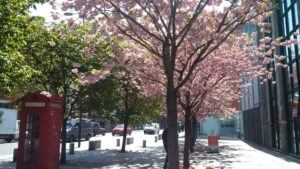
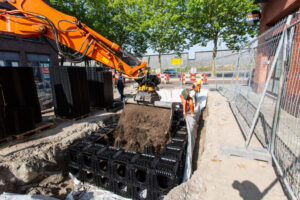
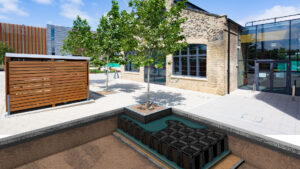
Urban trees play a vital role in promoting livable and sustainablity in towns and cities and are the most significant element of our green infrastructure. For the first time in 2011 TPBE saw, tree professionals. landscape architect, urban designers, engineers, architects, planners, ecologists and conservationists engage with one another over issues relating to trees in the urban environment.
TPBE is the first to provide a unique platform for such a varied range of professionals to explore issues, hear about cutting edge research, promote best practice and network.
Trees, People and the Built Environment II
Following on from the highly successful event in 2011, the international urban trees research conference Trees, People and the Built Environment returns to Birmingham in 2014 even bigger and better than before.
Again hosted by the ICF as its National Conference 2014, Trees, People and the Built Environment II continues its influential pan-industry partnership initiative between over 20 organisations representing professionals within the greenspace and built environment sectors.
Conference Aims
Urban trees and woodlands are now essential elements of our green infrastructure through the vital roles they play in promoting liveable and sustainable towns and cities. We know that the urban forest has numerous environmental, economic and social benefits, and that it can contribute enormously to the health and welfare of all those who live and work in urban areas.
Trees, People and the Built Environment II provide a unique forum where over 400 key professionals from across the globe will come together to discuss common concerns, collaborate, share knowledge and work together for a greener and more sustainable future. It is therefore clear why you should attend:
First-Class Programme
Following the Call for Papers, TPBE II Conference Programme 2014 has been put together to make this the “must-attend” urban trees research event of the year. It includes:
Keynote speakers and support
- Sir Terry Farrell OBE, one of the UK’s leading architect planners
- Prof Timothy Beatley, Professor of Sustainable Communities, University of Virginia
- Prof Herbert Girardet, co-founder of the World Future Council
- National support from HRH The Prince of Wales
- High profile after-dinner speaker Clive Anderson, President of the Woodland Trust, writer and presenter
Experts from around the world sharing their knowledge
- Speakers from Brazil, Canada, China, France, Indonesia, Switzerland, USA and the UK
- Ground-breaking, relevant new research
- Professional opinion on policy and practice