An update from another project partner, the municipality of Middelburg
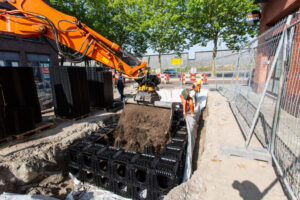
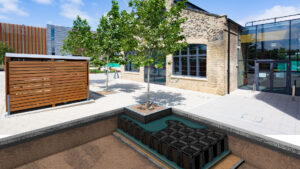
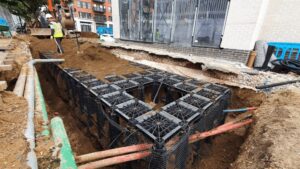
As part of our work in the EU Interreg project, Water Resilient Cities, we are working with a Dutch partner, Middelburg municipality in Zeeland to implement SUDs tree pits using the GreenBlue Urban Arborflow system.
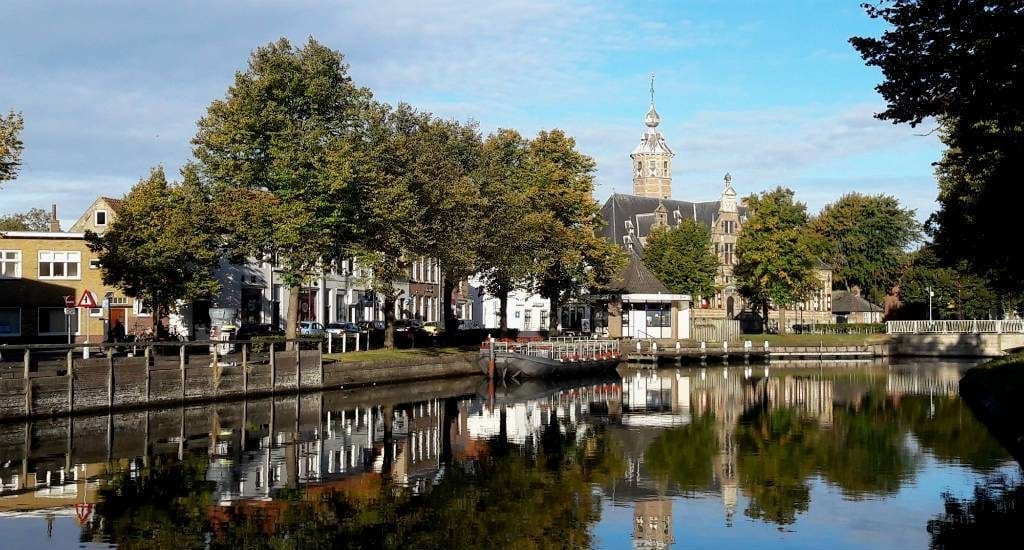
The city of Middelburg dates back possibly to the late 8th century or early 9th century and has a population of approximately 50,000 inhabitants. Aside from the city of Middelburg, the municipality also includes several population centres, including: Arnemuiden, Kleverskerke, Nieuw- en Sint Joosland and Sint Laurens.
Our colleagues in Middleburg informed us that:
“In Holland, the cities have to take responsibility for the rainwater management (traditional and other). The water companies are taking care of the drainage of the rainwater and the owners of the buildings have to protect their own properties from the water. Damage is never foreseen or not possible to fully prevent. What’s more or less foreseeable: politics and experts have to determine.”
In the neighbourhood “De Overloper” the rainwater running off the roofs and roads will be led into the swale by above ground gutters and / or ditches. Therefore, the combined and rainwater sewer system has to be separated. Enlarging the sewer system (by bigger pipes) so they can cope with the larger amount of water is not an option. It isn’t possible to make the sewer system larger to cope with all types of rainfall (the heaviest rainfall events), for if Middleburg chose to do this, they estimate that it would cost more than 10 billion euros. Not only is the cost an obstacle, also the lack of space in the city centre to install much bigger sewer pipes.
On two sites, the swale will be connected with a pond (water feature) to discharge the excess of the buffered rainwater.
SUDs interventions must be integrated with reconstructions of roads, revitalisation of neighbourhoods and water from roads, car parks and neighbourhoods must be stored and buffered.
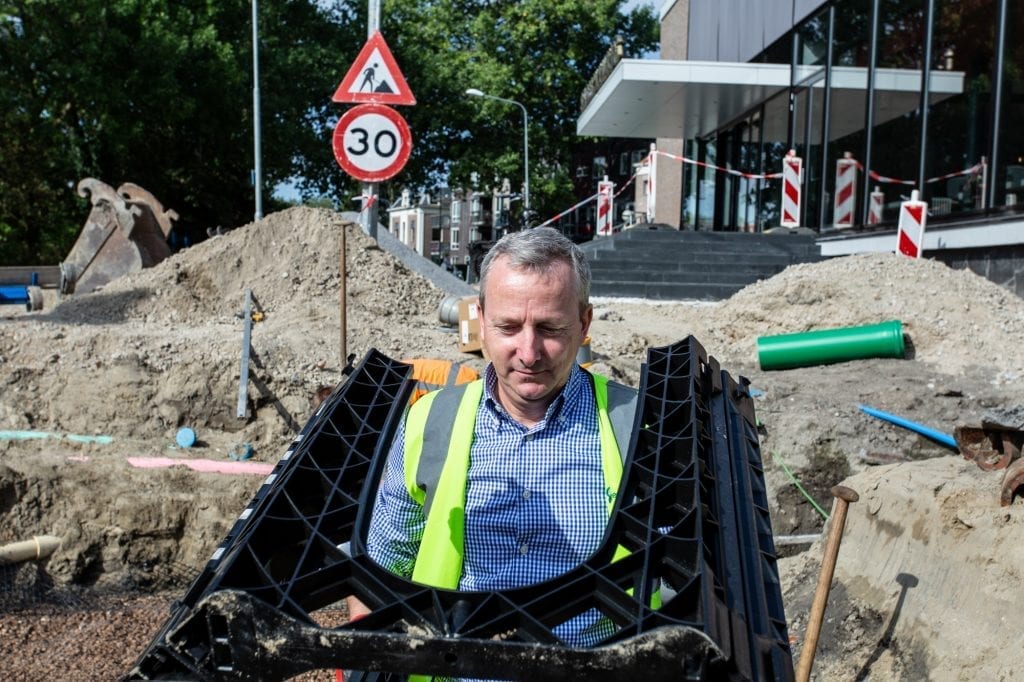
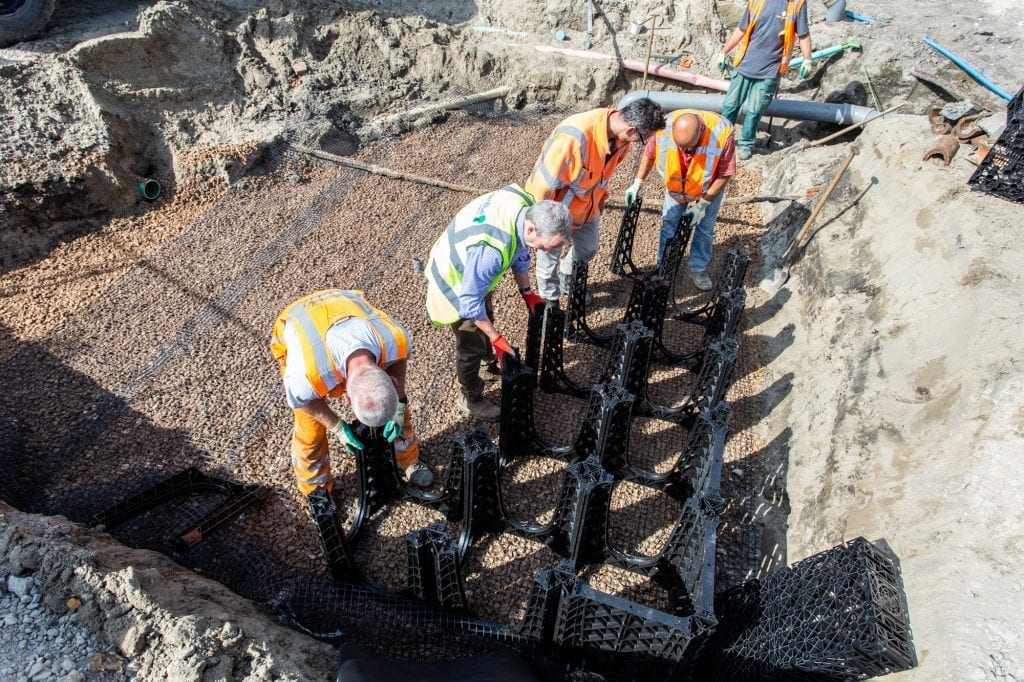
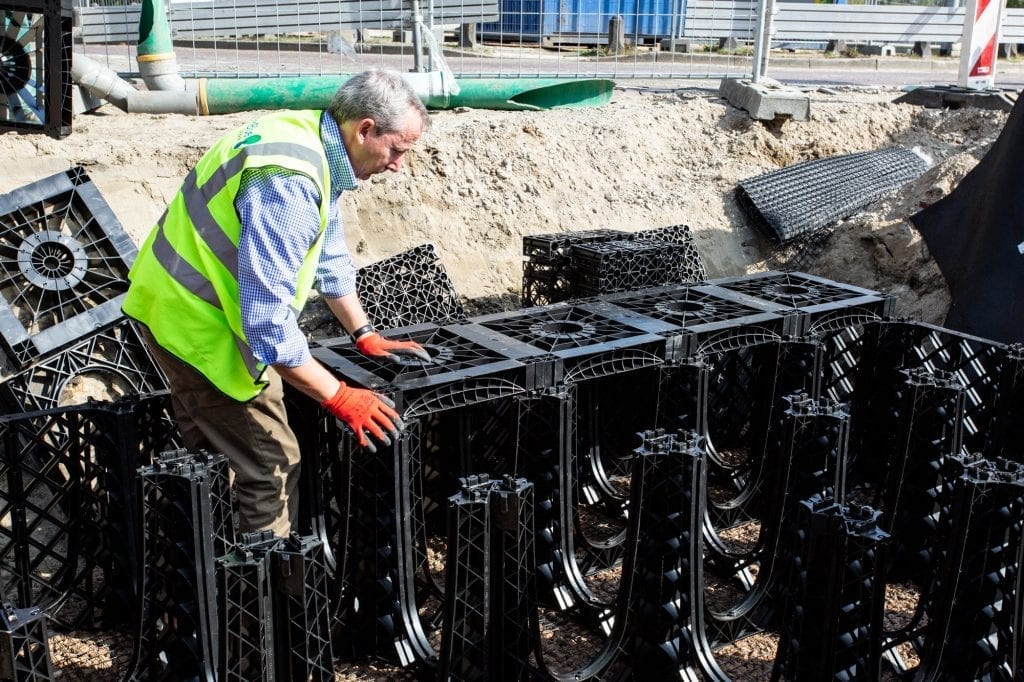
So on 11th September 2018 Dean Bowie, CEO & SuDS Specialist travelled to meet with our Dutch distributor Joosten to begin installation.
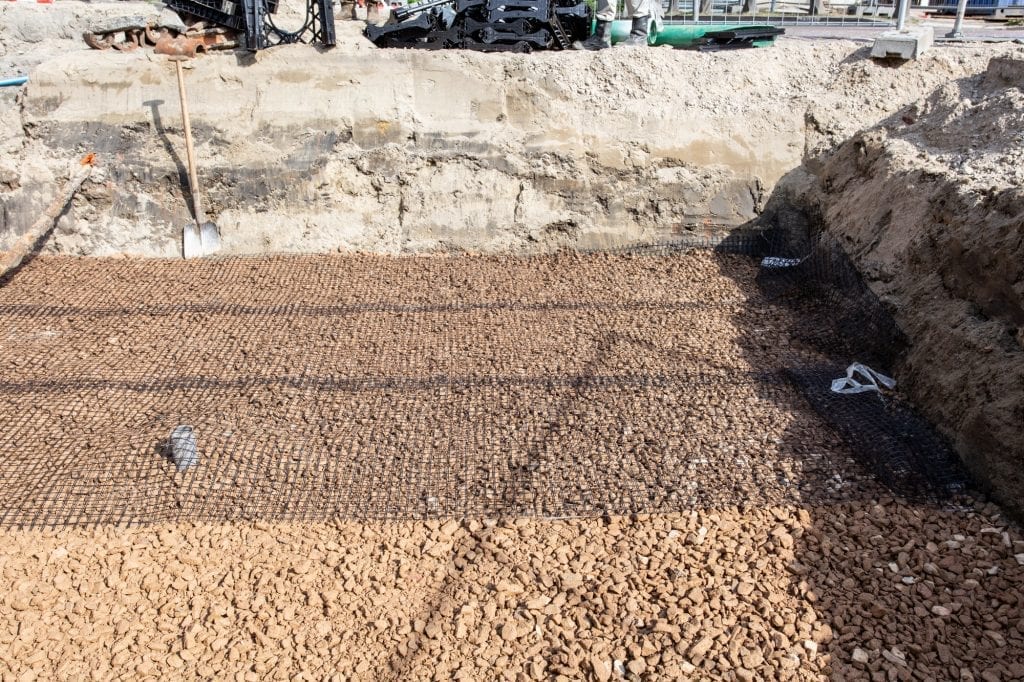
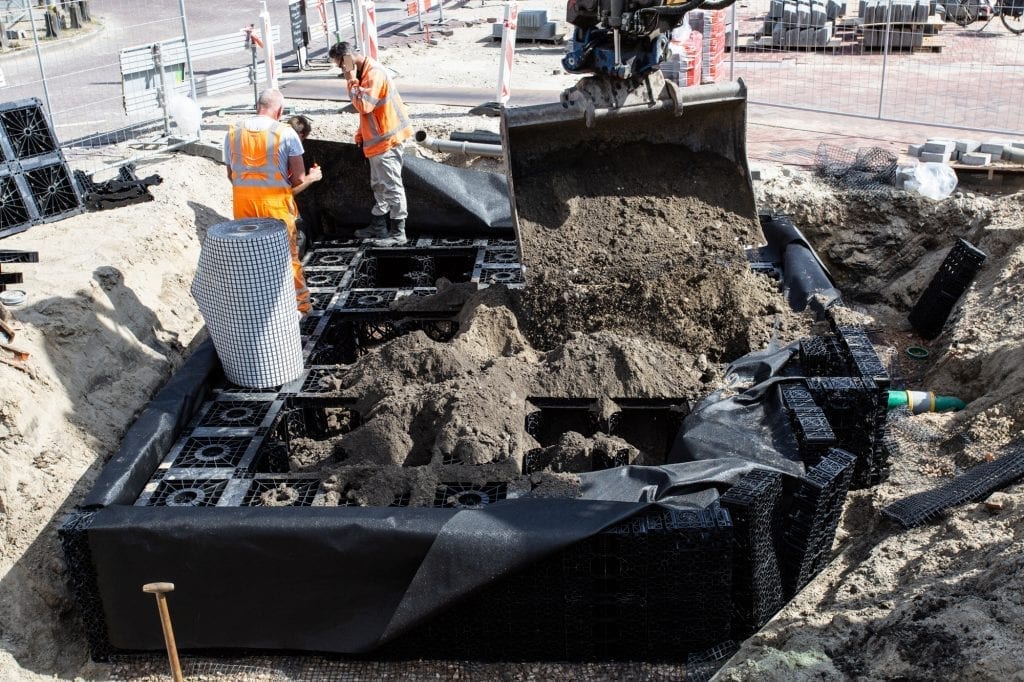
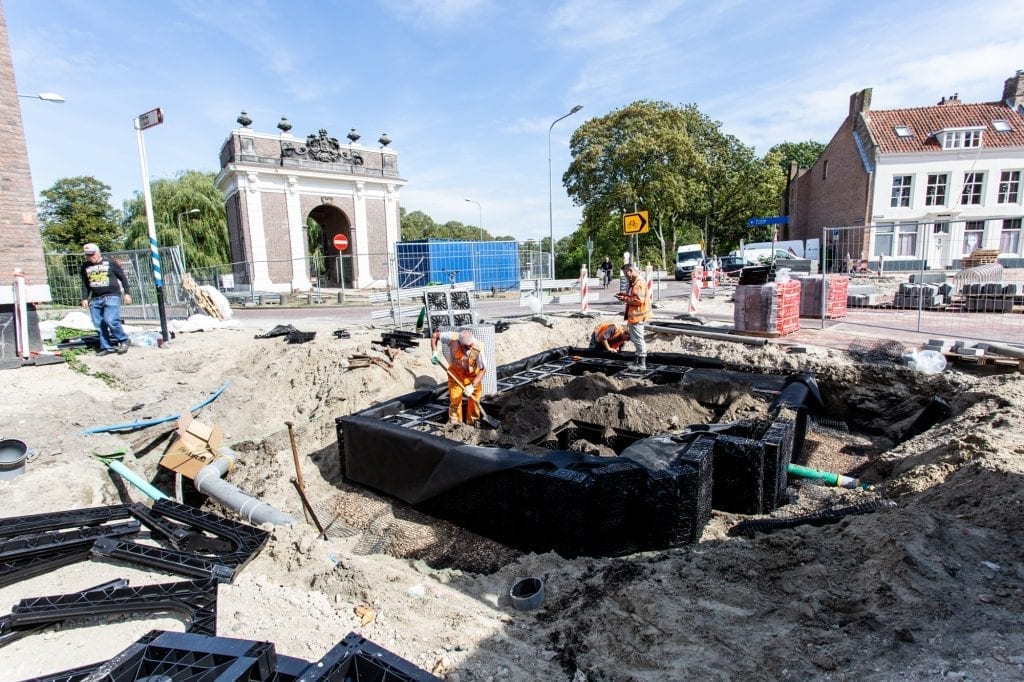
Tree Installation and full case study to follow soon!