It’s interesting how we often can’t see the ways in which we are being strong – like, you can’t be aware of what you’re doing that’s tough and brave at the time that you’re doing it because if you knew that it was brave, then you’d be scared.

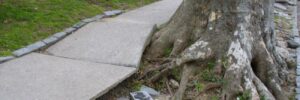
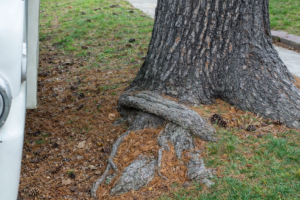
Lifted sidewalks, cracked pavement, uneven walking surfaces: when these problems appear around mature trees, the roots usually get the blame.
Urban tree populations in cities around the world are under pressure. Despite the clear benefits trees bring, including cooling streets,
When the phrase root girdling appears in a specification meeting or planning discussion, it tends to stop the conversation cold.
One of the biggest challenges facing the urban greening industry today is how we respond effectively to the accelerating climate
Planting a tree is often framed as an act of optimism, a gesture toward a greener, more hopeful future. But
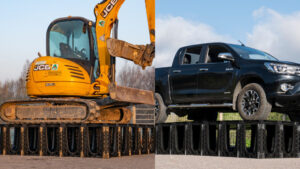
Designing urban landscapes that successfully support both healthy tree growth and the structural needs of pavements, pathways, and vehicle areas
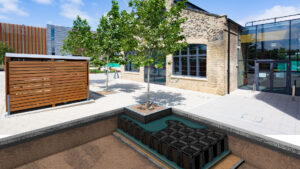
Soil in urban environments rarely provides the conditions trees need to grow and thrive. Limited rooting space, compaction, and conflicts
Our existing urban drainage systems are being asked to do far more than they were ever designed for. Denser development,
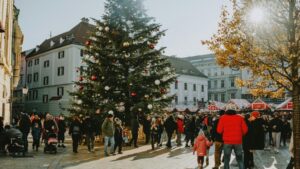
Each winter, towns and cities adopt a more festive character. Streets are illuminated, markets appear, and in many public squares
Urban environments are complex, high-demand spaces where every inch of land serves a function. Yet even in densely built areas,