Pilot Project to Clarify Research Conducted Into Urban Tree Benefits

Trees and Design Action Group (TDAG) have launched a project to pull together research the benefits of urban trees and identify knowledge gaps.

The initiative will collect and review existing research on the benefits of urban trees, in order to identifying what is and is not known. The commission is comprised of the general public, researchers, practitioners, and other industry leaders. It will be carried out by University of Manchester’s Dr Mohammad Rahmanand and Professor Roland Ennos.

A huge amount of energy goes into research, but too often the results don’t get through to the people who can make a difference.

says Ennos as he explains  the impetus for the project,

“We aim to review the research and clearly let people know concisely what is known, and perhaps more importantly, what is not known about the benefits of trees in our cities.” This will also help relevant authorities in policy making, and assist researchers to focus on important problems rather than repeating work that has already been done.

“The identification of knowledge gaps is much-needed. This research will help steer our own support for urban tree initiatives in as much as they will benefit the wider community.” adds Dr Gabriel Hemery, Chair of the Fund4Trees Research Advisory Committee.
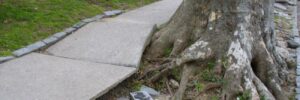
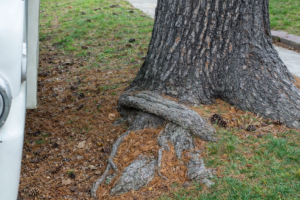
Lifted sidewalks, cracked pavement, uneven walking surfaces: when these problems appear around mature trees, the roots usually get the blame.

Urban tree populations in cities around the world are under pressure. Despite the clear benefits trees bring, including cooling streets,

When the phrase root girdling appears in a specification meeting or planning discussion, it tends to stop the conversation cold.

One of the biggest challenges facing the urban greening industry today is how we respond effectively to the accelerating climate

Planting a tree is often framed as an act of optimism, a gesture toward a greener, more hopeful future. But

Designing urban landscapes that successfully support both healthy tree growth and the structural needs of pavements, pathways, and vehicle areas

Soil in urban environments rarely provides the conditions trees need to grow and thrive. Limited rooting space, compaction, and conflicts

Our existing urban drainage systems are being asked to do far more than they were ever designed for. Denser development,

Each winter, towns and cities adopt a more festive character. Streets are illuminated, markets appear, and in many public squares

Urban environments are complex, high-demand spaces where every inch of land serves a function. Yet even in densely built areas,