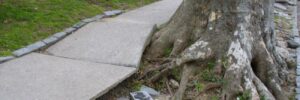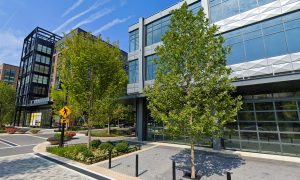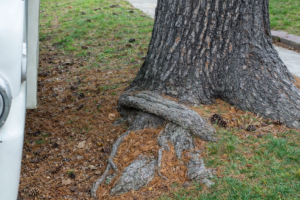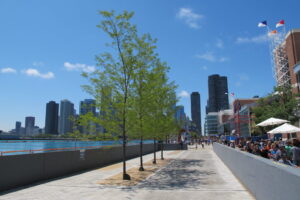
Trees evolved from natural forest settings. Where trees in woodland areas have near perfect conditions, a tree in an urban setting must endure harsh circumstances including paved surrounds, increasing microclimate temperatures and reflecting glare, exposure to wind and de-icing salt, gratuitous vandalism, and much more. Tree grates are used to help integrate trees in the urban environment – complete with it’s never-ending hardscape.
Tree grates help protect trees against severe urban surroundings that can otherwise make a trees existence a near impossibility. By utilizing grates and other urban tree planting products, we can begin the process of successfully integrating urban forests into our city environments. They allow space for the tree while providing pedestrian traffic flow over the tree planting area. Tree grates also help prevent litter buildup from entering the tree planting area and suppress weed growth.
Tree grilles and grates come in various sizes, designs, and finishes to suit any tree pit design in any urban setting – giving specifiers an array of options. We even offer paver grates which function as a tree grate while allowing paving stones to completely cover the tree planting area.
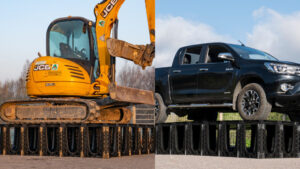
Tree grates can be completely custom made to suit any design or vision. And with the use of heavy duty frames, grates can even be made subject to vehicle loading.
The following aspects should be considered when incorporating tree grilles and grates into an urban landscape design:
- Existing site parameters and design elements
- Access requirements
- Anticipated vehicle traffic
- Disabled access
- Specifier’s personal judgment on aesthetics
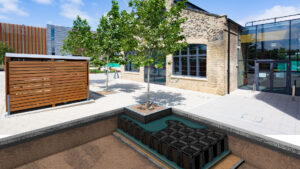
Tree grates should also integrate with below ground root management, irrigation / aeration, and guying systems.