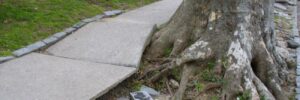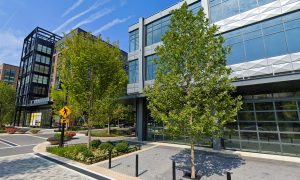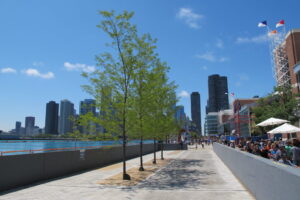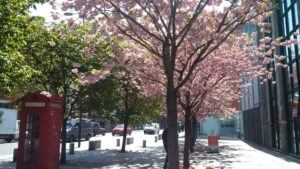
Researchers from the U.S. Forest Services and The Davey Institute have found in a recent study that urban trees can save at least one life per year in most cities and up to 8 people per year in large metropolises like New York City. Tree growth within the cities can help clean the air, which is polluted with soot, smoke, dust and dirt. Air pollution can cause health problems and premature mortality, which can kill as many as 2.5 million people each year.
Researchers have noted that larger particles between particulates 2.5 to 10 micrometers in diameter, also called coarse dust particles or PM10 are removed by trees at a substantially higher rate. However, the health benefits of PM2.5 removal is 30 to 350 times more valuable.
Within the study they found growing evidence that the natural environment provides major public health benefits. These health benefits are not just restricted to our lungs and heart, but also our minds. Parks, gardens, and even street trees in urban areas improve the mood and mental well-being of the surrounding residents.
The value of trees goes well beyond their immediate air quality-reducing properties, too. According to the study by U.S. Forest Services, urban forests are responsible for storing 708 million tons of carbon, plus better health, this study did vary from city to city.
The study concludes that “trees can produce substantial health improvements and values in cities.” Although more research is needed to improve these estimates, this study also leaves room for new research that explores the local effects of tree-filled landscapes in cities.